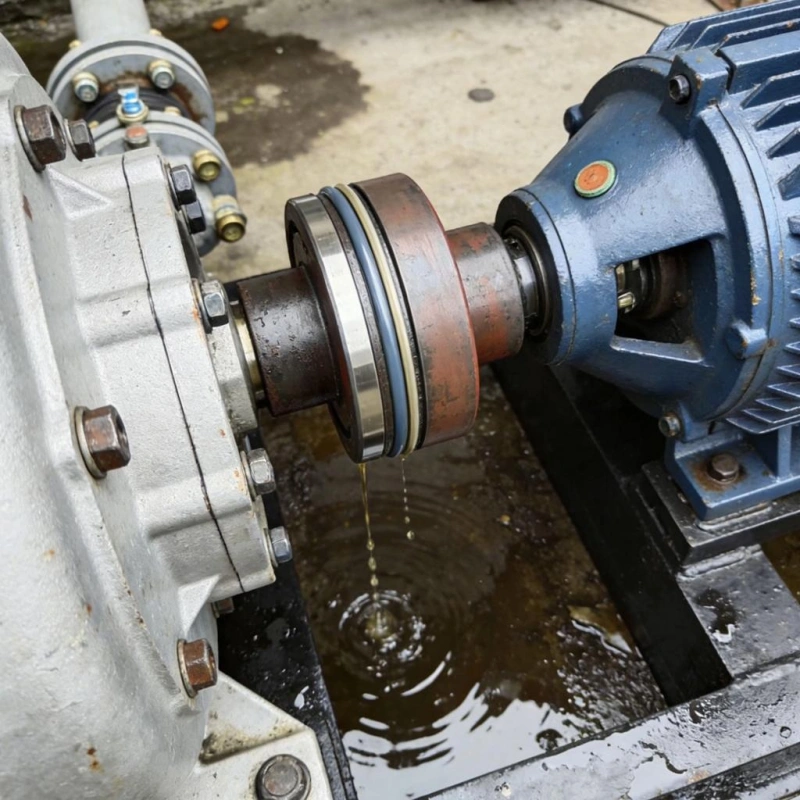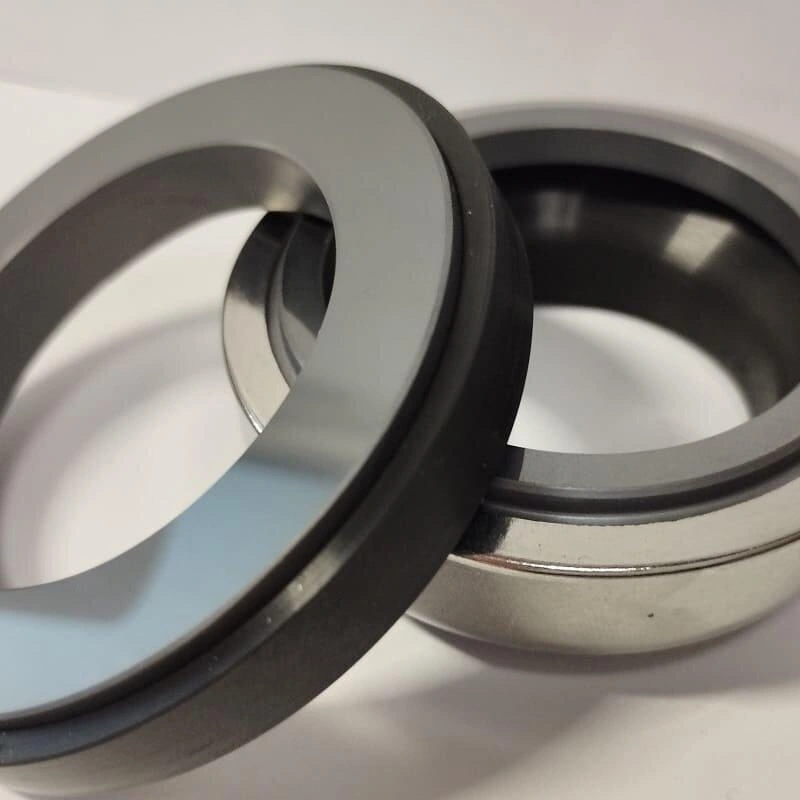
For pumps and rotating equipment that handle strong acids, strong alkalis, corrosive solvents, or other chemical media, the choice of materials for mechanical seals directly affects sealing performance, operational reliability, and service life.
This article will provide a detailed analysis of mechanical seal performance and material selection in corrosive environments, covering aspects such as chemical media identification, seal face materials, auxiliary sealing components, corrosion-resistant metals, and operating conditions. It is designed to help you select more reliable mechanical seal solutions.
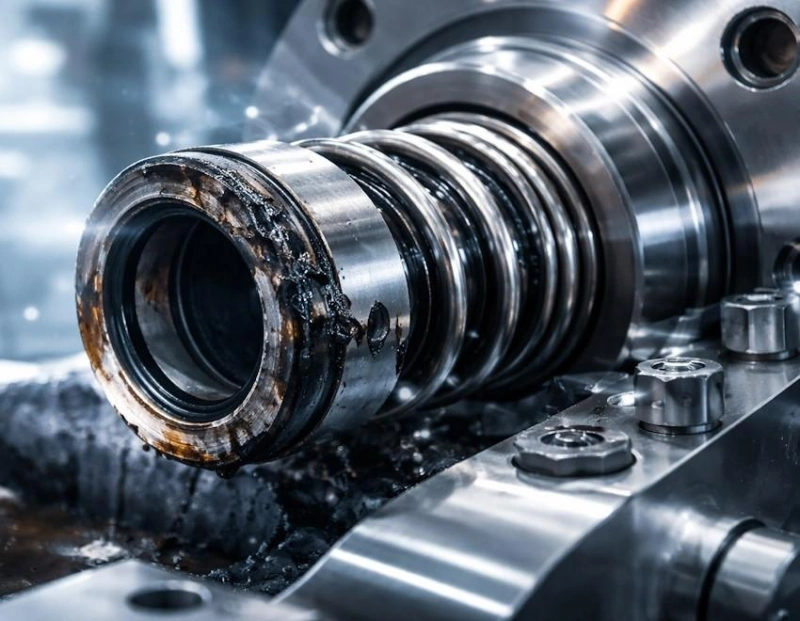
When selecting a mechanical seal for a corrosive environment, you first need to determine exactly what chemical medium the seal will actually come into contact with, as well as the operating conditions of that medium. You cannot determine whether a material is corrosion-resistant based solely on the name of the medium.
First, you need to identify the specific medium the pump will be handling, rather than simply knowing whether it is an acid, a base, or an organic solvent.
You need to focus on confirming the following information:
Chemical Name: The exact chemical name of the medium, not just a general category.
Concentration: The chemical concentration, such as mass percentage or molar concentration.
Impurities: Whether it contains chloride ions, other salts, oxidizing agents, or contaminants.
Mixture Composition: Whether it consists of a mixture of multiple chemicals.
Physical State: Whether the medium is in a liquid or gaseous state, or contains both gas and liquid phases.
Tip: The corrosiveness of a mixed medium is not necessarily equal to that of any single pure chemical in it. Reactions may occur between different chemical components, which may alter the medium’s corrosive behavior.
Chemical concentration and temperature are two important factors that affect the material compatibility of mechanical seals.
The same chemical medium may exhibit different corrosion characteristics at different concentrations. Some materials remain stable in low-concentration media but may experience corrosion, swelling, or performance degradation under high-concentration conditions.
Tip: When selecting a mechanical seal for handling sulfuric acid, do not simply specify the medium as “Sulfuric Acid.” You must also confirm the specific concentration and consult material compatibility data based on those concentration conditions.
Rising temperatures accelerate many chemical reactions and may also alter a material’s corrosion resistance.For auxiliary seals, temperature also affects the material’s elasticity, hardness, and sealing performance.
When making an assessment, it is recommended that you also record:
| Check Item | Information Required | Why It Matters |
|---|---|---|
| Chemical Name | Specific acids, alkalis, solvents, or mixtures. | Different chemicals have different corrosion mechanisms. |
| Chemical Concentration | Actual concentration and possible variations. | Concentration affects material corrosion behavior. |
| Normal Temperature | Continuous operating temperature. | Determines long-term material suitability. |
| Maximum Temperature | Startup, cleaning, and abnormal operating temperatures. | Prevents material degradation at high temperatures. |
| Minimum Temperature | Shutdown and low-temperature conditions. | Evaluates material performance at low temperatures. |
| Impurity Content | Chlorides, salts, and other contaminants. | May increase the risk of localized corrosion. |
When selecting materials for mechanical seals, you cannot focus solely on the process conditions during normal equipment operation. Different chemical exposure environments may also arise during startup, shutdown, cleaning, and equipment maintenance.
You need to pay special attention to the following situations:
Startup: Are there changes in process concentration or temperature during the startup process?
Shutdown: Are there any corrosive liquids remaining in the seal chamber after shutdown?
CIP: Clean-in-Place, which involves removing internal residues by circulating a cleaning solution without disassembling the equipment.
SIP: Sterilization-in-Place, which involves sterilizing the equipment while it remains installed, typically using high-temperature steam.
Chemical Flushing: Whether cleaning chemicals different from the normal process medium are used.
The media with which a mechanical seal comes into contact are not necessarily limited to the process fluid being pumped. Depending on the seal design and auxiliary systems, the seal may also come into contact with flushing fluid, buffer fluid, isolation fluid, or other auxiliary media.
You need to confirm whether these media will come into direct contact with different components of the seal and whether they are likely to mix or cause cross-contamination.
| Chemical Damage Type | Simple Explanation | Potentially Affected Components |
|---|---|---|
| Uniform Corrosion | Gradual corrosion across the entire metal surface. | Springs, metal sleeves, and glands. |
| Pitting Corrosion | Small, localized holes form on the metal surface. | Springs and metal components. |
| Crevice Corrosion | Localized corrosion occurs in narrow gaps. | Metal joints and spring assemblies. |
| Stress Corrosion Cracking | Corrosion and tensile stress combine to cause cracking. | Metal springs and bellows. |
| Chemical Swelling | Materials absorb chemicals and increase in volume. | O-rings and elastomers. |
| Chemical Degradation | Chemicals damage material structure or properties. | Secondary seals and elastomers. |
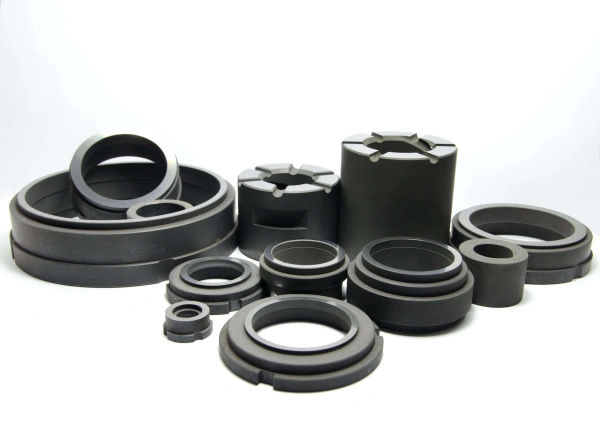
| Comparison | Silicon Carbide (SiC) | Carbon Graphite | Tungsten Carbide (WC) |
|---|---|---|---|
| Material Type | Ceramic. | Carbon-based material. | Cemented carbide. |
| Main Composition | Silicon carbide. | Carbon and impregnation materials. | Tungsten carbide particles and metal binder. |
| Common Grades | RB-SiC, SSiC. | Resin-impregnated carbon, antimony-impregnated carbon. | WC-Co, WC-Ni. |
| Hardness | Very high. | Relatively low. | Very high. |
| Wear Resistance | Excellent. | Relatively low. | Excellent. |
| Corrosion Resistance | Generally good; depends on grade and fluid. | Depends on carbon grade and impregnation. | Depends on metal binder and fluid. |
| Thermal Conductivity | Generally good. | Depends on grade. | Generally good. |
| Impact Resistance | Relatively low; brittle. | Not suitable for heavy impact. | Generally good. |
| Friction Properties | Requires a stable lubricating film. | Good self-lubrication and low friction. | Requires proper lubrication. |
| Dry-Running Capability | Not suitable for prolonged dry running. | Relatively better, but not for prolonged dry running. | Not suitable for prolonged dry running. |
| Particle Resistance | Good for abrasive service. | More susceptible to hard-particle wear. | Good for abrasive service. |
| Main Advantages | Corrosion resistance, wear resistance, and thermal conductivity. | Self-lubrication, low friction, and good conformability. | Wear resistance, mechanical strength, and impact resistance. |
| Main Risks | Brittleness, thermal shock, and poor lubrication. | Particle wear and impregnation incompatibility. | Metal binder corrosion. |
| Typical Pairings | SiC/SiC, Carbon/SiC. | Carbon/SiC, Carbon/WC. | WC/WC, Carbon/WC. |
| Typical Applications | Corrosive fluids, abrasive media, and high-temperature service. | Clean fluids, well-lubricated service, and low-friction applications. | High-wear and mechanical-load applications with verified chemical compatibility. |
| Selection Focus | Verify SiC grade, fluid compatibility, and lubrication. | Check impregnation material, fluid compatibility, and solids content. | Verify cobalt or nickel binder corrosion resistance. |
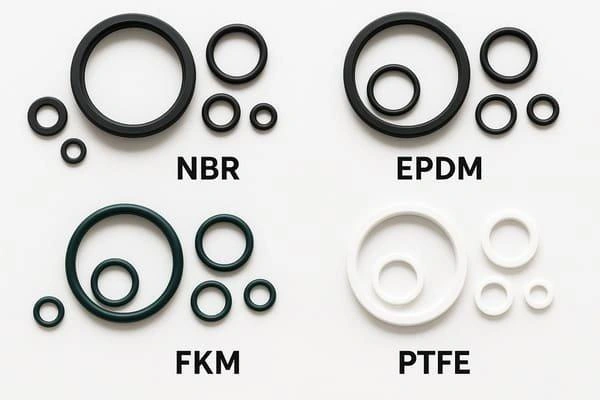
When selecting a mechanical seal for corrosive environments, you should not focus solely on the face materials of the rotating and stationary rings; you must also pay close attention to the selection of auxiliary seals.
Auxiliary seals and primary sealing faces have different functions: the rotating and stationary rings are responsible for controlling axial leakage, while auxiliary seals are responsible for sealing the gaps between components to prevent the medium from bypassing the sealing faces.
They are primarily divided into two categories:
Common auxiliary sealing materials used in industrial mechanical seals include NBR, EPDM, FKM, FFKM, and PTFE. These materials differ significantly in terms of oil resistance, chemical resistance, temperature resistance, and elasticity.
Resistant to mineral oils, lubricants, and some fuels; offers practical mechanical properties. Suitable for oil-based media. Not resistant to strong oxidizing agents, some strong acids, ozone, or incompatible solvents.
Resistant to hot water, steam, acids, and alkalis; offers good weather resistance; suitable for water-based media. Not resistant to mineral oils or hydrocarbons.
Resistant to high temperatures, oils, and a wide range of chemicals; commonly used in industrial applications. However, caution is advised when using it with hot water, steam, and certain amines and ketones.
Offers a very broad range of chemical resistance and is suitable for highly corrosive and special operating conditions. However, performance varies significantly among different grades, and due to its high cost, it cannot be assumed to be “universally resistant.”
Offers good chemical stability and a low coefficient of friction, but it is not an elastomer and has poor elastic recovery. It is prone to cold flow deformation and cannot be used directly as a rubber O-ring.
When selecting auxiliary sealing materials, the first step should be to confirm the chemical properties of the process medium, rather than making a decision based solely on the material’s temperature resistance rating.
Different elastomers vary greatly in their resistance to acids, alkalis, oils, solvents, and oxidizing agents. Below are preliminary guidelines for selecting auxiliary sealing materials based on common media.
| Chemical Type | Materials to Consider | Key Considerations |
|---|---|---|
| Mineral / Lubricating Oils | NBR, FKM | EPDM is generally unsuitable for mineral oils. |
| Petroleum Fuels | FKM, NBR | Check fuel composition and additives. |
| Hot Water | EPDM, some FFKM grades | Verify temperature, pressure, and material grade. |
| Steam | Suitable EPDM, FFKM, or other specialized grades | Check steam temperature, pressure, and thermal cycling. |
| Dilute Acids | EPDM, FKM, FFKM, PTFE | Selection depends on acid type and concentration. |
| Strong Alkalis | EPDM, some FFKM grades, PTFE | Do not assume FKM or NBR is suitable. |
| Organic Solvents | FKM, FFKM, PTFE | Compatibility varies significantly by solvent. |
| Strong Oxidizers | Specific FFKM grades, PTFE | Verify compatibility with the specific oxidizer. |
Temperature is a key factor affecting the service life of auxiliary seals. Even if a material can withstand a specific chemical medium, its performance may deteriorate if the operating temperature exceeds its specified range.
You should pay close attention to the following temperature-related issues.
| Material | Temperature Suitability | Key Considerations |
|---|---|---|
| NBR | Suitable for many standard oil applications. | Not suitable for high temperatures or strong oxidizing environments. |
| EPDM | Suitable for many hot-water and some steam applications. | Verify steam grade and thermal cycling capability. |
| FKM | Suitable for many higher-temperature oil and chemical applications. | Consider limitations with hot water, steam, and certain solvents. |
| FFKM | Available in grades designed for high-temperature and corrosive environments. | Temperature limits and chemical compatibility vary by grade. |
| PTFE | Offers good high-temperature and chemical stability. | Consider cold flow, creep, and seal design. |
In corrosive environments, in addition to direct corrosion by chemical media, auxiliary seals commonly fail due to swelling, hardening, cracking, and extrusion.
Chemical swelling: When elastomers absorb the medium, their volume increases; O-rings become softer and “fatter,” altering both their dimensions and contact pressure. In severe cases, they are more likely to be forced into the gap.
Hardening: High temperatures, chemical erosion, or aging can cause rubber to lose its elasticity, reducing its resilience. Insufficient sealing contact pressure makes leaks more likely after shutdowns or during pressure fluctuations.
Cracking: The combined effects of chemical corrosion, thermal aging, and mechanical stress can cause cracks to form on the surface of the seal. Once cracks form, the medium may leak from the secondary seal area.
Extrusion: Under high pressure, with large clearance, or when the material hardness is inappropriate, the elastomer may be forced into the gap, resulting in gouging, notches, or localized tearing.
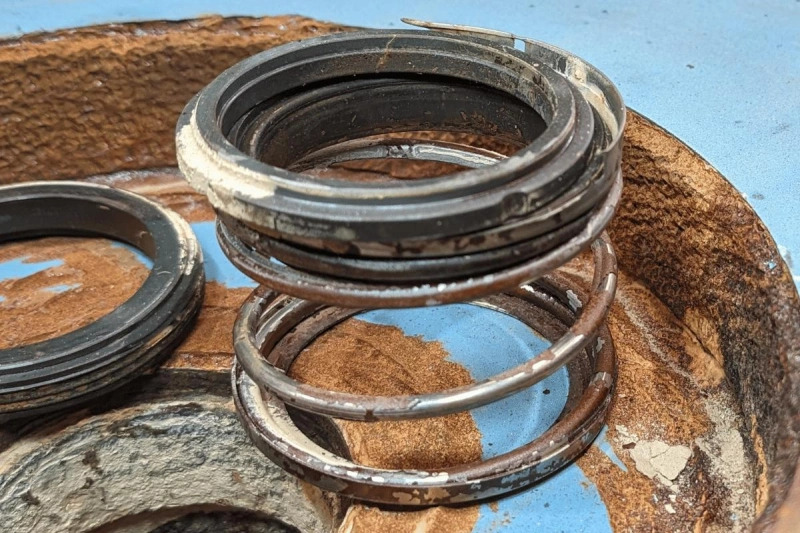
When selecting a mechanical seal for corrosive environments, in addition to the sealing faces and auxiliary seals, you also need to pay close attention to the material selection for springs, metal bellows, and other metal hardware.
Before selecting a metal material, you need to first understand the functions of the various components, because springs, bellows, and metal structural parts have different material requirements.
Springs: Provide a closing force to keep the rotating and stationary rings in contact. Key considerations include corrosion resistance, resistance to stress corrosion cracking, and ability to maintain elasticity.
Metal bellows: Compensate for axial displacement through the elastic deformation of the corrugations, while also providing auxiliary sealing and elastic loading. Key considerations include corrosion resistance, fatigue life, and weld quality.
Metal structural components: These include shaft sleeves, gland rings, retaining rings, screws, and other parts, which primarily serve to support, secure, and connect the assembly. If corrosion occurs, it can easily lead to loosening, seizing, deformation, or the inability to disassemble the components.
| Material | Main Features | Typical Applications | Limitations |
|---|---|---|---|
| 316 / 316L Stainless Steel | Contains chromium, nickel, and molybdenum; good general corrosion resistance. | Clean water, general industrial fluids, mild chemicals, and structural components. | May suffer pitting, crevice corrosion, and stress corrosion cracking in chloride environments. |
| Duplex Stainless Steel | Austenitic-ferritic structure with high strength and good localized corrosion resistance. Common grades include 2205 and 2507. | Chloride solutions, seawater environments, and high-strength applications. | Resistance varies by grade. Acid conditions, welding, and heat treatment require careful evaluation. |
| Inconel Nickel-Based Alloys | Nickel-based alloys such as X-750, 718, and 625 offer good strength and heat resistance. | High-temperature springs, metal bellows, and high-strength components. | Properties vary by grade; verify compatibility before substitution. |
| Hastelloy Alloys | Corrosion-resistant nickel alloys, including C-276 and C-4. | Aggressive chemicals, some chloride environments, and highly corrosive service. | High cost; suitability depends on fluid, concentration, and temperature. |
| Alloy 20 | Nickel-chromium-iron alloy containing molybdenum and copper. | Certain sulfuric acid and chemical processing applications. | Not suitable for all sulfuric acid concentrations and temperatures. |
| Titanium | High strength-to-weight ratio and excellent resistance in oxidizing environments and some chloride media. | Selected oxidizing chemicals, chloride environments, and lightweight corrosion-resistant applications. | Not suitable for all acids. Hydrofluoric acid and some reducing acids require special evaluation. |
The selection of spring materials differs from that of ordinary metal structural components. Not only must you consider whether the medium will corrode the spring, but you must also ensure that the spring retains sufficient elasticity during prolonged compression and release cycles.
Common spring materials and their applications:
| Spring Material | Main Advantages | Typical Applications | Key Considerations |
|---|---|---|---|
| 316 Stainless Steel | Good general corrosion resistance. | General industrial environments. | Not suitable for all high-chloride conditions. |
| 17-7PH Stainless Steel | High strength and good spring properties. | Applications requiring high elasticity and strength. | Not automatically suitable for highly corrosive environments. |
| Inconel X-750 | Good spring performance and load retention at high temperatures. | High-temperature and some corrosive applications. | Verify compatibility with the specific chemicals. |
| Inconel 718 | High strength for high-temperature components. | High-temperature and high-load applications. | Evaluate actual corrosion conditions. |
| Elgiloy | Good corrosion resistance, fatigue performance, and spring properties. | Selected corrosive environments and oil & gas applications. | Verify fluid compatibility and material condition. |
| Hastelloy C-4 / C-276 | Suitable for evaluation in many aggressive environments. | Chemical mechanical seal springs. | Verify spring manufacturing requirements and load performance. |
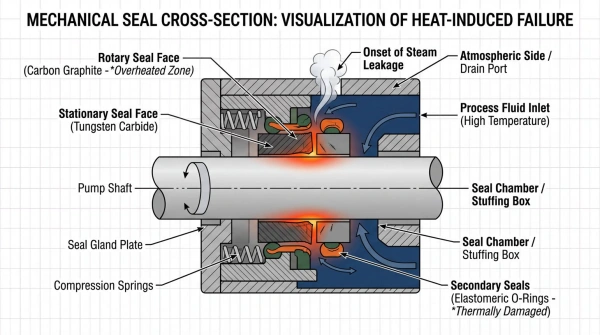
When selecting a mechanical seal for corrosive environments, you need to evaluate the effects of operating pressure, temperature, and solid particles on seal performance.
These three factors directly affect the operating conditions of the mechanical seal. Excessive pressure may increase the load on the sealing faces; temperature fluctuations may affect material properties and face lubrication; and solid particles may cause wear, scoring, or clogging of the sealing faces.
Operating pressure is a key factor affecting the stress state of mechanical seal faces.
Mechanical seals control leakage through the precise fit between the rotating ring and the stationary ring. During operation, spring force and fluid pressure jointly affect the sealing condition of the two faces.
Face Load: Spring force and fluid pressure jointly determine the degree of face contact. Excessive load causes heat generation and wear; insufficient load leads to leakage.
Structural Deformation: High pressure causes elastic deformation of the seal rings and components; uneven deformation of the sealing faces can lead to localized overloading and leakage. In high-pressure conditions, attention must be paid to the strength of the seal rings, the pressure-bearing capacity of the bellows, and the risk of auxiliary seals being extruded.
Pressure Fluctuations: Frequent pressure changes can destabilize the sealing faces and increase the risk of transient leakage; if the pressure falls below the medium’s saturated vapor pressure, the liquid film may vaporize, leading to dry friction.
Excessive temperatures can cause auxiliary seals to harden, soften, undergo thermal degradation, or suffer permanent compression set, resulting in a loss of resilience and sealing capability.
Significant differences in the coefficients of thermal expansion between the moving and stationary ring materials can cause face warping, leading to localized overloading, an uneven liquid film, and increased leakage. Under high-temperature operating conditions, the thermal compatibility of the face materials, metal components, and auxiliary seals must be evaluated simultaneously.
As temperature rises, the vapor pressure of the medium increases. If the pressure near the sealing faces falls below the saturated vapor pressure, the liquid film will vaporize or even undergo flash evaporation, causing lubrication failure and resulting in dry friction, high temperatures, and rapid wear.
Particulate-containing media have a significant impact on seals, so selection and flushing procedures must be handled with greater care than with clean media.
Abrasive wear: Hard particles entering the sealing faces continuously scratch the surface, leading to increased leakage and reduced service life.
Particle embedding: Softer carbon-graphite sealing faces are prone to particle embedding, resulting in “third-body wear,” which in turn scratches the mating hard ring.
Spring jamming: Particles entering the spring area can cause jamming; multi-spring structures are particularly susceptible to this, preventing the sealing faces from compensating for wear or axial displacement in a timely manner.
Crystallization and deposition: Changes in temperature, concentration, or pressure may cause the medium to crystallize or form scale, which adheres to the sealing faces, springs, and auxiliary seals, thereby affecting the seal’s performance.
For standard industrial pumps, a single-face mechanical seal can meet basic leakage control requirements. However, if the pump is handling toxic, flammable, volatile, or environmentally hazardous chemical media, relying solely on a single sealing face may not satisfy the equipment’s safety and environmental protection requirements.
A single-face mechanical seal consists of a set of rotating and stationary seal rings that control process medium leakage through a precise fit between the two sealing faces.
Its structure is relatively simple and does not require a separate external barrier fluid system, making installation, maintenance, and operational management relatively easy.
A double-face mechanical seal consists of two sealing faces, referred to as the inner seal and the outer seal, respectively.
The inner seal is in contact with the pump’s process fluid, while the outer seal is in contact with the atmosphere. A secondary fluid chamber is formed between the two sealing faces to accommodate a buffer fluid or isolation fluid.
Compared to a single-face seal, a double-face seal provides an additional sealing barrier and uses the secondary fluid to control the operating environment between the two sealing faces.
Non-pressurized double-face seals use buffer fluid as the auxiliary medium between the two sealing elements.
The pressure of the buffer fluid is lower than the pressure of the process medium inside the seal chamber. Therefore, during normal operation, a small amount of process medium may enter the buffer fluid chamber through the inner seal, while buffer fluid may also leak to the atmospheric side through the outer seal.
Pressurized double-ended seals use barrier fluid as an auxiliary medium between the two sealing elements.
Unlike a buffer fluid, the barrier fluid pressure must be higher than the pressure of the process medium in the seal chamber, and a sufficient design pressure differential must be maintained. During normal operation, the barrier fluid primarily leaks through the inner seal toward the process side, rather than allowing the process medium to enter the barrier fluid chamber.
| Comparison | Single Seal | Unpressurized Dual Seal | Pressurized Dual Seal |
|---|---|---|---|
| Seal Face Sets | One set. | Two sets. | Two sets. |
| Support Fluid | No separate barrier fluid system required. | Buffer Fluid. | Barrier Fluid. |
| Support Fluid Pressure | Not applicable. | Below process pressure. | Above process pressure. |
| Leakage Control | Basic leakage control. | Provides an additional sealing barrier. | Pressurized isolation further limits process fluid leakage. |
| Process Fluid Entering Support System | Not applicable. | May enter the buffer fluid during normal operation. | Normally prevented by the barrier fluid. |
| Support Fluid Entering Process | Not applicable. | May occur during normal operation. | May occur during normal operation. |
| Atmospheric Leakage Risk | Process fluid may leak directly outward. | Buffer fluid may leak outward. | Barrier fluid may leak outward. |
| Operating Complexity | Relatively low. | Moderate. | Relatively high. |
| Maintenance | Inspect seal faces and secondary seals. | Also monitor the buffer fluid system. | Also monitor barrier pressure, temperature, and circulation. |
| Initial Cost | Generally lower. | Generally higher. | Generally the highest. |
| Typical Applications | General industrial fluids. | Applications requiring additional leakage collection and monitoring. | Hazardous fluids and strict leakage-control applications. |
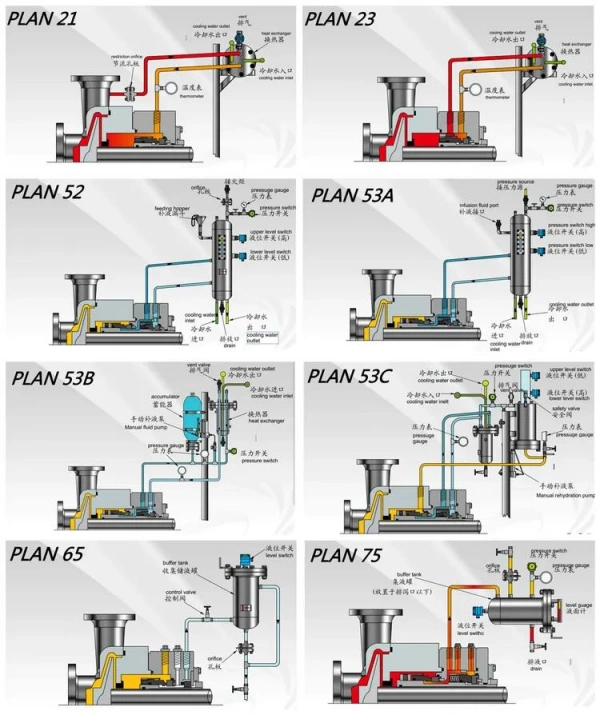
When operating mechanical seals in corrosive environments, even if you select corrosion-resistant sealing faces, auxiliary seals, and metal components, this does not guarantee that the seal will operate reliably over the long term. Excessively high medium temperatures, insufficient lubrication, solid particles entering the sealing faces, or chemical deposits can all shorten the seal’s service life.
Before selecting an auxiliary medium, you first need to understand the roles and operating principles of the flushing solution and the isolation solution.
| Comparison | Flush Fluid | Barrier Fluid |
|---|---|---|
| Main Location | Seal chamber and seal face area. | Between two seal sets. |
| Main Function | Cooling, cleaning, and improving lubrication. | Isolating process fluid and controlling leakage. |
| Applicable Seal Types | Single seals and some dual seals. | Pressurized dual seals. |
| Pressure Requirement | Depends on the selected flush plan. | Higher than process seal chamber pressure. |
| Can It Enter the Process? | Depends on the flushing arrangement. | May enter the process side during normal operation. |
| Key Selection Requirements | Chemical compatibility, cleanliness, and cooling capacity. | Chemical compatibility, lubricity, pressure, and temperature stability. |
The selection of a flushing fluid depends primarily on the properties of the process medium and the operating conditions of the seal chamber.
When selecting a flushing fluid, you should focus on the following four aspects.
The flushing fluid must not corrode any critical components of the mechanical seal.
For example, if you use water as the flushing fluid, you need to confirm that it is compatible with the process medium, the sealing faces, the O-rings, and the metal parts.
Tip: For applications involving strong acids, strong alkalis, and organic solvents, you cannot simply assume that water is always a suitable flushing medium. You must also consider whether mixing the flushing fluid with the process medium will cause chemical reactions, precipitation, or crystallization.
The flushing fluid can dissipate the heat generated by friction at the sealing faces, helping to control face temperature.
If the temperature in the seal chamber is too high, the viscosity and vapor pressure of the fluid may change, and the liquid film on the sealing faces may become unstable.
Therefore, you must consider the flushing fluid’s flow rate, inlet temperature, outlet temperature, and heat exchange capacity—rather than merely confirming whether fluid is entering the seal chamber.
The flushing fluid must meet the cleanliness requirements of the seal design.
If the flushing fluid itself contains sand particles, metal debris, or other abrasive particles, these particles may enter the sealing faces, causing scratches and wear.
For external flushing fluids, you should verify that the filtration conditions and fluid supply system are reliable to prevent contaminants from entering the seal chamber.
Standard liquid-lubricated mechanical seals rely on a thin liquid film between the sealing faces to provide lubrication and heat dissipation.
The flushing fluid must possess flow and lubrication characteristics suitable for the actual operating conditions. If the fluid vaporizes easily, has inappropriate viscosity, or cannot maintain a stable liquid film, it may not adequately protect the sealing faces even with sufficient flushing flow.
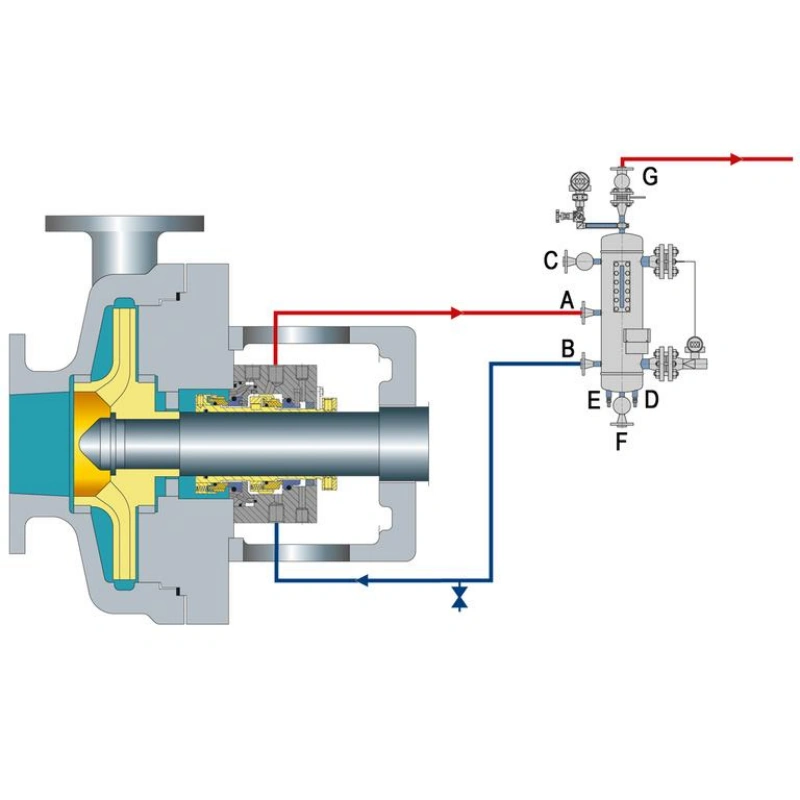
For industrial pumps, API 682 provides a variety of mechanical seal support system configurations. These configurations differ in terms of the source of the flushing medium, the flow path, and the cooling method.
Here are a few common configurations you should be familiar with.
| API Plan | Fluid Source & Flow Path | Typical Applications | Key Considerations |
|---|---|---|---|
| Plan 11 | Pump discharge fluid flows through an orifice into the seal chamber. | Clean, non-polymerizing, moderate-temperature fluids; basic self-flushing for single seals. | Orifice blockage, insufficient pressure differential, excessive or inadequate flow. |
| Plan 21 | Pump discharge fluid passes through a cooler before entering the seal chamber. | Relatively clean, higher-temperature fluids requiring seal chamber cooling. | Cooler fouling, insufficient cooling, and abnormal temperature after the orifice. |
| Plan 23 | Seal chamber fluid circulates through a cooler using a pumping ring. | Hot, clean fluids such as hot water, boiler feedwater, and thermal oil. Often offers better heat removal than Plan 21. | Pumping ring capacity, cooler performance, air removal, and circuit blockage. |
| Plan 32 | External clean fluid is injected into the seal chamber. | Fluids containing solids, prone to crystallization or polymerization, corrosive fluids, and high-temperature service. | Reliable external supply, pressure above seal chamber pressure, fluid compatibility, and possible process dilution. |
If your equipment uses a pressurized double-ended mechanical seal, you will need to select an appropriate barrier fluid.
During normal operation, the pressure of the barrier fluid is higher than the pressure in the process seal chamber, causing it to flow primarily through the inner seal into the process side. This reduces the ingress of process media into the barrier fluid chamber between the two seal sets and minimizes the risk of hazardous media migrating to the atmospheric side.
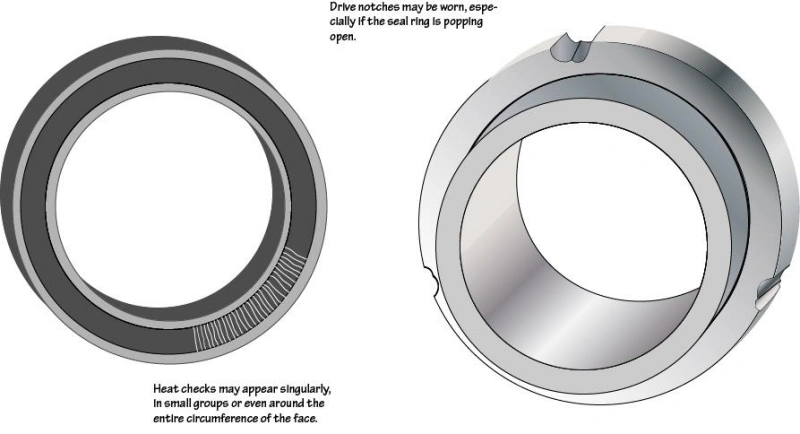
In corrosive environments, mechanical seal failure is not necessarily caused by chemical corrosion. Even if you use corrosion-resistant silicon carbide seal faces and FKM or FFKM secondary seals, the equipment may still leak due to wear, overheating, or dry running.
Chemical erosion refers to incompatible chemical reactions between mechanical seal materials and process media, resulting in changes to the materials’ physical properties or chemical structure.
It can affect seal faces, O-rings, metal springs, bellows, and other metal components. Different materials exhibit varying responses when subjected to chemical erosion.
If carbon graphite is incompatible with the process medium, the following phenomena may occur:
Etching: Corrosive etching marks appear on the sealing face.
Pitting: Small localized pits form on the surface.
Blistering: Small bubble-like or pit-like damage appears on the material surface.
Dissolution: The material undergoes severe chemical erosion, resulting in significant loss of material.
Tip: Blistering on the surface of carbon graphite does not necessarily indicate chemical erosion; it may also be related to material porosity and frictional heat. You should make a determination based on both medium compatibility and actual operating temperature.
If an O-ring is subjected to chemical corrosion, common signs include:
Swelling: The O-ring increases in volume, resulting in noticeable changes in dimensions.
Softening: The material’s hardness decreases, causing it to lose its original mechanical properties.
Cracking: Cracks appear on the surface or inside the material.
Blistering: Localized bubbles or delamination appear on the material’s surface.
Shrinkage: The material’s dimensions may decrease after certain components are extracted or leached out by the medium.
If springs, bushings, or metal bellows are subjected to chemical corrosion, you may observe:
Wear is primarily related to mechanical contact, particles, vibration, shaft movement, and lubrication conditions, and should be distinguished from chemical corrosion.
Abrasive wear: Solid particles enter the contact surface between the rotating and stationary rings, causing scratches through rolling or sliding. This is commonly seen in operating conditions involving sand, crystals, or contaminated flushing fluids.
Adhesive wear: Material adhesion and transfer occur at localized contact points on the sealing faces, typically caused by insufficient liquid film, excessive frictional heat, or incompatible material pairings.
Non-uniform wear: Severe wear occurs on only one side or in localized areas of the sealing face, often related to shaft runout, shaft deflection, bearing wear, misalignment during installation, or deformation of the gland. Such issues cannot be resolved simply by replacing the sealing material; the mechanical condition of the equipment must be investigated simultaneously.
Thermal damage is often caused by friction heat at the sealing face, insufficient lubrication, or inadequate cooling, and does not necessarily indicate that the process temperature has exceeded the specified limit.
Thermal cracks: Fine radial cracks appearing on the sealing face from the inner diameter toward the outer diameter; commonly seen in cases of repeated thermal shock or localized overheating.
Carbon-graphite blistering: Blistering caused by the expansion of internal pores or adsorbed media under high-temperature friction; this should not be automatically attributed to chemical corrosion and must be evaluated in conjunction with the material grade and the medium.
Elastomer hardening: Prolonged exposure to temperatures above the O-ring’s operating limit can cause it to harden, crack, and develop permanent compression set; insufficient recovery leads to leakage in the auxiliary seal.
Deposition and coking: Overheating near the sealing face causes the medium to decompose, polymerize, or form coke, which deposits on the sealing face, springs, and moving parts, impairing the sealing action.
Dry running refers to the operation of a mechanical seal without a normal liquid lubrication film.
Standard liquid-lubricated mechanical seals rely on a thin liquid film between the rotating ring and the stationary ring for lubrication and heat dissipation. If the liquid film disappears or cannot be maintained, friction and temperature between the two sealing faces may rise rapidly.
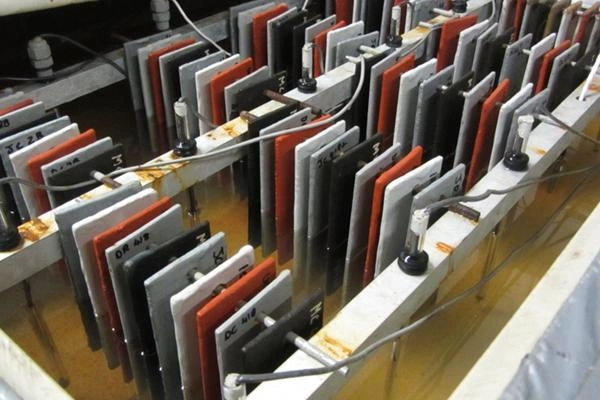
Even if a material performs well in the laboratory, factors such as temperature, pressure, medium concentration, solid particles, and operating cycles in actual equipment may alter its performance.
The key principle is this: Do not merely verify whether a material can withstand contact with a specific chemical medium; you must also verify that it can maintain its sealing function under your actual operating conditions.
Before conducting tests, you must first identify the materials to be tested and the actual process media. Otherwise, even if you obtain a test report, it may not be applicable to your equipment selection.
Mechanical seals are not made of a single material. You need to verify the specific materials of the sealing faces, auxiliary seals, springs, metal bellows, and other metal components separately.
Before conducting actual testing, you can first use the Chemical Compatibility Chart provided by the material supplier to screen candidate materials.
This type of documentation typically lists the resistance of different materials to acids, alkalis, solvents, oils, and other chemical media, which can help you narrow down your options.
Tip: You should prioritize supplier products that specify clear material grades and compatibility data. If the documentation only lists broad material categories without specific formulations or grades, you should request further verification from the supplier.
Elastomer immersion testing is a common method for verifying the compatibility of auxiliary sealing materials such as NBR, EPDM, FKM, and FFKM. The focus is on four key indicators:
Volume change: Indicates swelling or shrinkage. Excessive volume change can affect the O-ring’s installation in the groove and its contact pressure.
Hardness change: Indicates softening or hardening. Softening reduces resistance to extrusion, while hardening weakens resilience and increases the risk of leakage.
Mass change: Indicates whether the material absorbs liquid or has had components leached out. This parameter alone is insufficient to determine compliance; it must be evaluated in conjunction with other indicators.
Tensile strength and elongation at break: Indicate whether the material’s mechanical properties have deteriorated. A significant decrease after immersion indicates that the material has been affected by the medium.
The metal immersion corrosion test focuses on three key aspects:
Mass loss: Weigh the specimen after removing corrosion products, then calculate the corrosion rate (mm/year). Note that residual corrosion products may affect the results.
Visual inspection: Check for pitting, crevice corrosion, uniform corrosion, or cracking. Pay particular attention to localized corrosion in springs and bellows.
Corrosion rate: This can be used for cross-comparison of materials but cannot be used alone to determine compliance; the material must also meet strength, elasticity, and fatigue requirements.
Corrosion evaluation methods for rubber or metals cannot be directly applied to ceramic and cemented carbide end faces; instead, focus on process details:
Silicon carbide (SiC): First, determine whether it is RB-SiC or SSiC. RB-SiC contains free silicon, so it is essential to verify the compatibility of the free silicon with the medium.
Tungsten carbide (WC): Confirm whether the binder is Co or Ni. Under corrosive conditions, be wary of selective corrosion of the binder, which can cause surface particles to detach.
Carbon graphite: Confirm the type of impregnating agent; resin-impregnated and antimony-impregnated materials exhibit significant differences in chemical resistance, so verification must be based on the actual medium.
Passing the material immersion test does not guarantee that the mechanical seal will function properly.
This is because mechanical seal operation is also affected by face-to-face friction, fluid pressure, temperature fluctuations, shaft movement, and the influence of auxiliary systems.
You will also need to conduct Component-Level Testing or Seal Performance Testing.
We recommend focusing on the following parameters:
| Test Item | What to Monitor | Test Purpose |
|---|---|---|
| Leakage Rate | Actual leakage amount. | Evaluate leakage control. |
| Operating Temperature | Seal operating temperature. | Verify thermal stability. |
| Pressure Stability | Pressure changes and stability. | Evaluate pressure performance. |
| Shaft Speed | Actual operating speed. | Verify dynamic performance. |
| Friction & Torque | Friction behavior and torque changes. | Identify abnormal friction. |
| Vibration | Vibration changes. | Evaluate operating stability. |
| Flush Performance | Flush fluid flow and temperature. | Verify support system performance. |
| Barrier Fluid Condition | Barrier fluid pressure, temperature, and consumption. | Evaluate dual seal system condition. |
| Post-Test Inspection | Seal faces and secondary seal condition. | Identify potential damage. |
No. API 682 specifies seal design and testing requirements; materials must still be individually validated based on the medium, concentration, and temperature.
Yes. New cleaning agents may cause O-rings to swell or crack, or cause corrosion of metal components.
No, they are not directly interchangeable. There are differences in their composition, corrosion resistance, and mechanical properties, so selection must be based on operating conditions.
No. The composition, concentration, temperature, oxidizing properties, and impurities of the medium must also be considered.
Yes. Residual medium may continue to corrode sealing components, so draining and cleaning the system during shutdown are equally important.
Yes, but the effects of both media and the switching process on all seal materials must be verified.
It depends on the extent of the damage. Minor damage may be repaired, but severe corrosion, pitting, or cracks usually require replacement.
Provide the composition, concentration, temperature, pressure, and impurities of the medium, as well as material information for the seal faces, O-rings, and metal components.
When selecting mechanical seals for corrosive environments, it is not enough to focus solely on the corrosion resistance of the materials; it is also necessary to comprehensively consider the material compatibility and operating conditions of the entire sealing system.
At Sakowitz, we prioritize the compatibility between mechanical seal materials and actual operating conditions. By comprehensively evaluating chemical compatibility, material properties, seal design, and operating conditions, you can reduce the risk of premature seal failure, improve equipment reliability, and select the most suitable mechanical seal solutions for corrosive environments.
—— We Will Provide You With Professional OEM Solutions.
Whether you require pump bearings, pump valves, mechanical seals, or other custom-engineered components, we support production based on your drawings as well as rapid prototyping.
Please complete the form on the right and upload your technical drawings or specifications. Our engineering team will review your requirements within 24 hours and provide a detailed quotation, application recommendations, and delivery schedule.
Copyright © 2025 Sakowit, All rights reserved.
WhatsApp us