
How to Choose a Check Valve for a Water Pump?
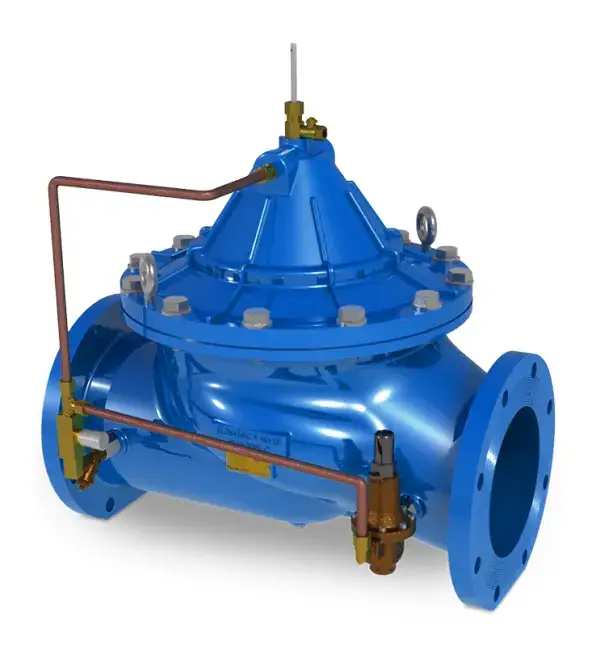
Selecting an inappropriate check valve for a pump can lead to severe system issues. Both oversized and undersized valves cause pressure loss in the check valve. Improper closing characteristics may also result in backflow, water hammer, pressure surges, or pump reversal. Choose a check valve based on more than pipe diameter, including pump type, flow […]
What Is Check Valve Back Pressure?
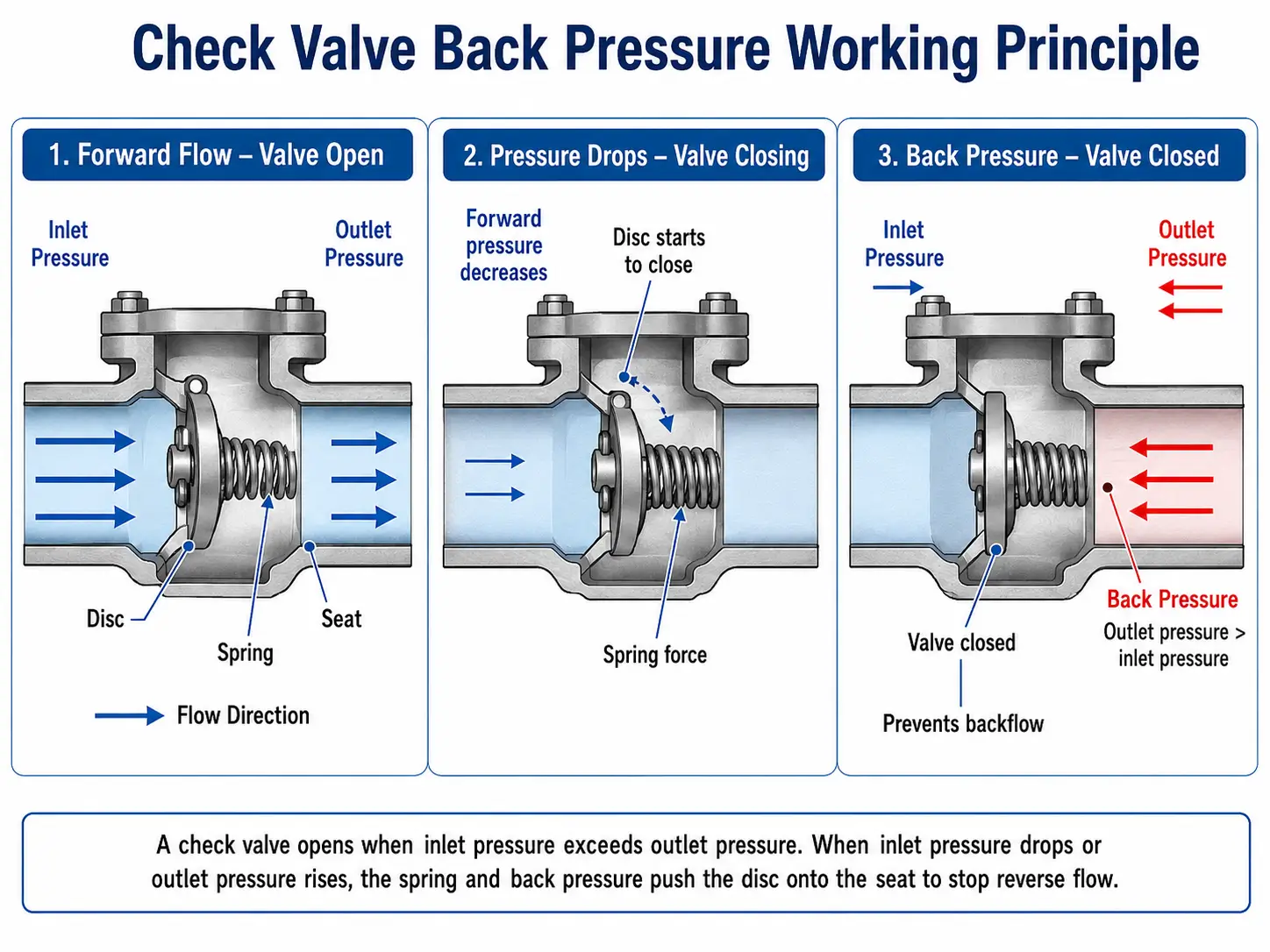
Why is check valve back pressure important?A check valve must close quickly, stay sealed, and withstand reverse pressure to keep your whole system safe.If back pressure exceeds the valve’s limit or the valve closes too slowly, you may experience internal leakage, backflow, water hammer, disc impact, vibration, and pump damage. You should check the system […]
Check Valve Problems: Common Failures, Causes and Solutions
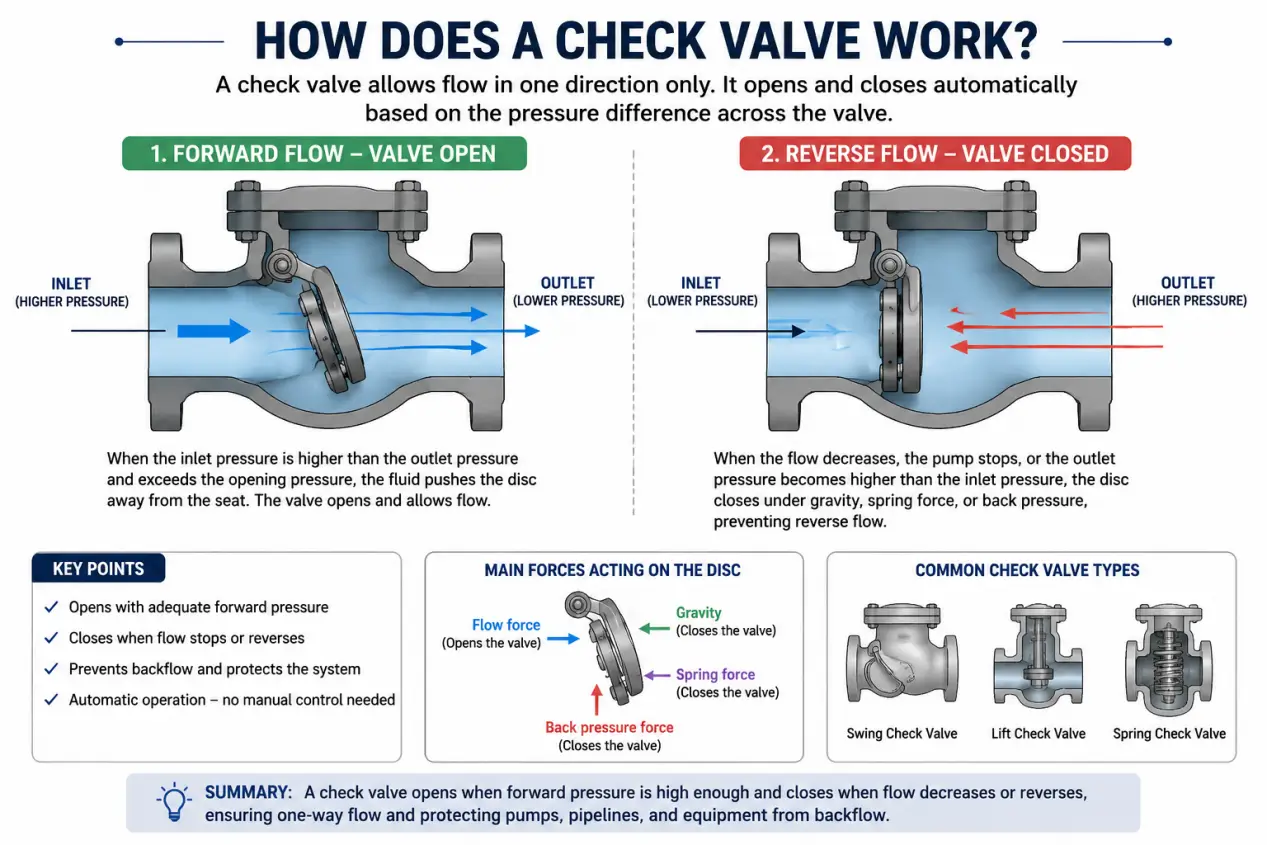
When your check valve develops a problem, you should take it seriously.Small leaks, unusual noise, or higher pressure loss can worsen over time, causing backflow, water hammer, pump cycling, pipe vibration, seal damage, or equipment failure.Identifying the problem promptly can not only reduce maintenance costs but also prevent unplanned downtime and system safety risks. Common […]
Why Is My Check Valve Leaking?
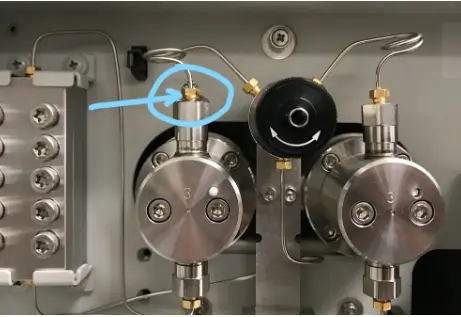
You should know that a leaking check valve is not just a minor sealing problem. It can cause backflow, pressure loss, frequent pump cycling, water hammer, wasted energy, and damage to your pipes, pumps, or other equipment. So, why is your check valve leaking? Common causes include debris between the disc and seat, worn sealing […]
How Does a Check Valve Work?
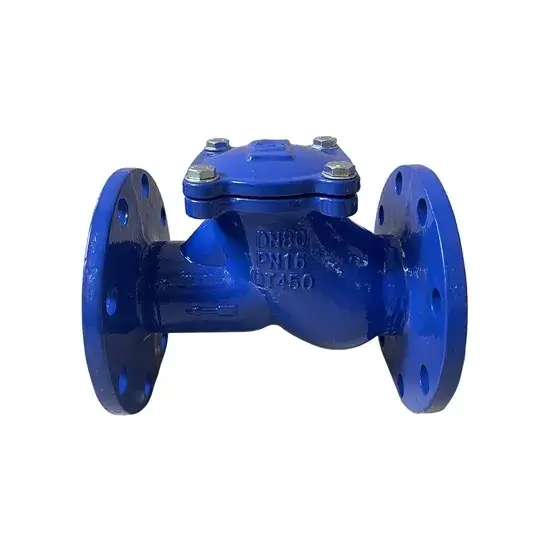
When the pump stops operating or pipeline pressure changes, fluid may flow back, potentially causing pump damage, sewage back flow, pressure loss, or system shutdown. How does a check valve work?It works automatically by fluid pressure: forward flow opens the disc, ball, or core; stopped or reverse flow returns components to the seat to close and […]
How to Choose Check Valve for Irrigation Pump?
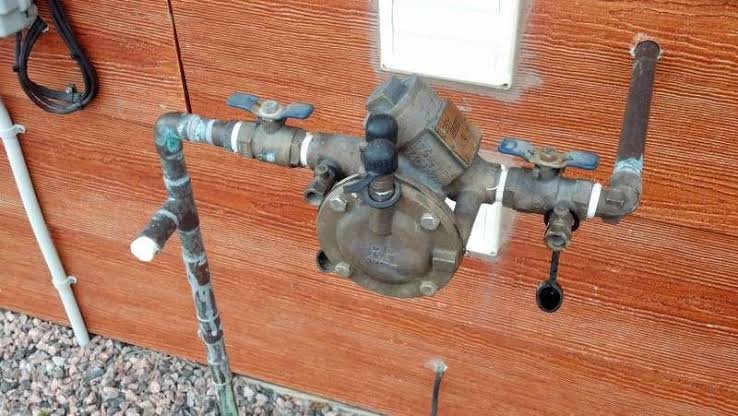
Selecting the right check valve for an irrigation pump helps prevent backflow, maintain water supply, reduce pressure loss, and protect the pump from unnecessary damage. A missing, leaking, incorrectly installed, or poorly selected irrigation pump check valve may cause difficult restarts, unstable pressure, poor nozzle performance, water hammer, or frequent cycling. When selecting the appropriate irrigation […]
Check Valve for Sewage Pump: Selection Guide
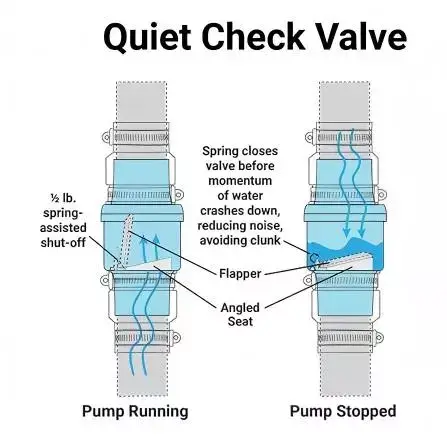
Selecting the appropriate check valve for sewage pumps is critical to prevent wastewater back flow, pump short cycles, clogging, odor issues, and premature wear. If wastewater reverses into the sewage tank after the pump stops, the check valve is one of the primary components to inspect.Missing, blocked, damaged, oversized, or incorrectly installed valves can cause […]
Check Valve for Sump Pump: Complete Guide to How It Works
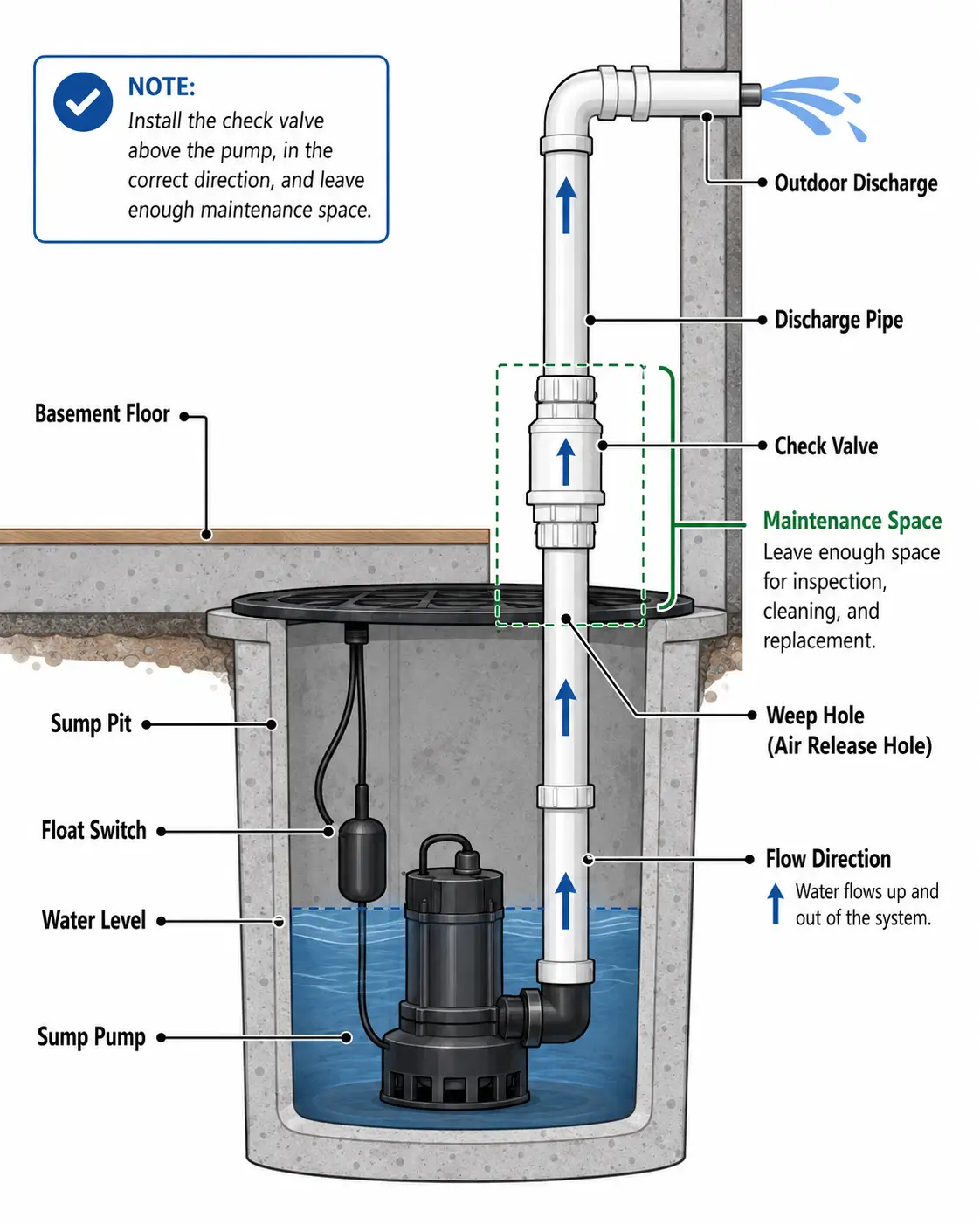
If wastewater water flows back into the collection pit after the sewage pump stops, or if the pump starts/stop too frequently, the check valve may be the critical component requiring inspection. What is a sewage pump check valve? Simply put, it is a one-way valve installed on drainage pipes that prevents pumped water from flowing […]
How to Choose Check Valve for Air Compressor?
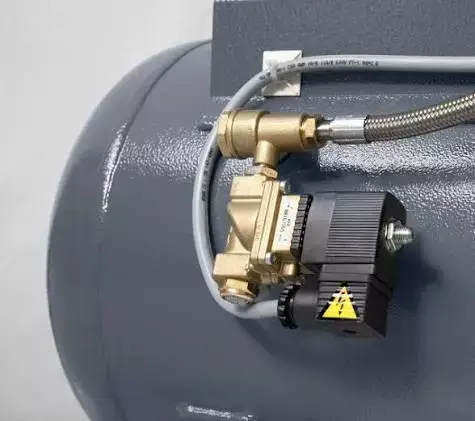
If your air compressor exhibits air leakage, decreased pressure in the storage tank, persistent air leakage from the pressure switch,or difficulty in restarting after shutdown.The Check valve for air compressor may be one of the first components requiring inspection. Many issues with air compressors that appear to stem from faults in the pressure switch or relief […]
Vacuum Breaker vs Check Valve: Key Differences, Applications
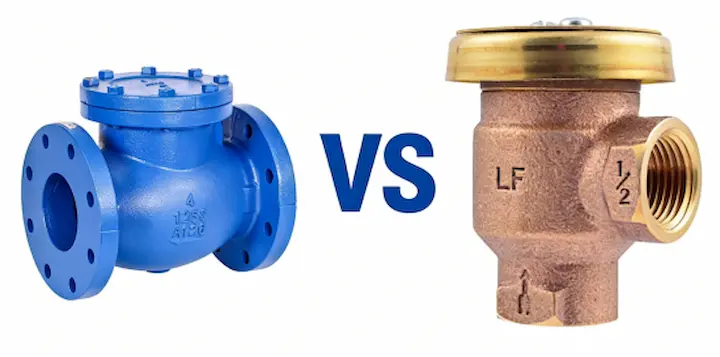
In the design of water systems, irrigation systems, and industrial piping, many users confuse vacuum breakers with check valves. While both are related to “preventing backflow,” they address different issues. Choosing the wrong device can result in backflow and unstable pressure at best, and at worst, may lead to water contamination, equipment damage, or even […]
Swing Check Valve vs Spring Check Valve: What’s the Difference?
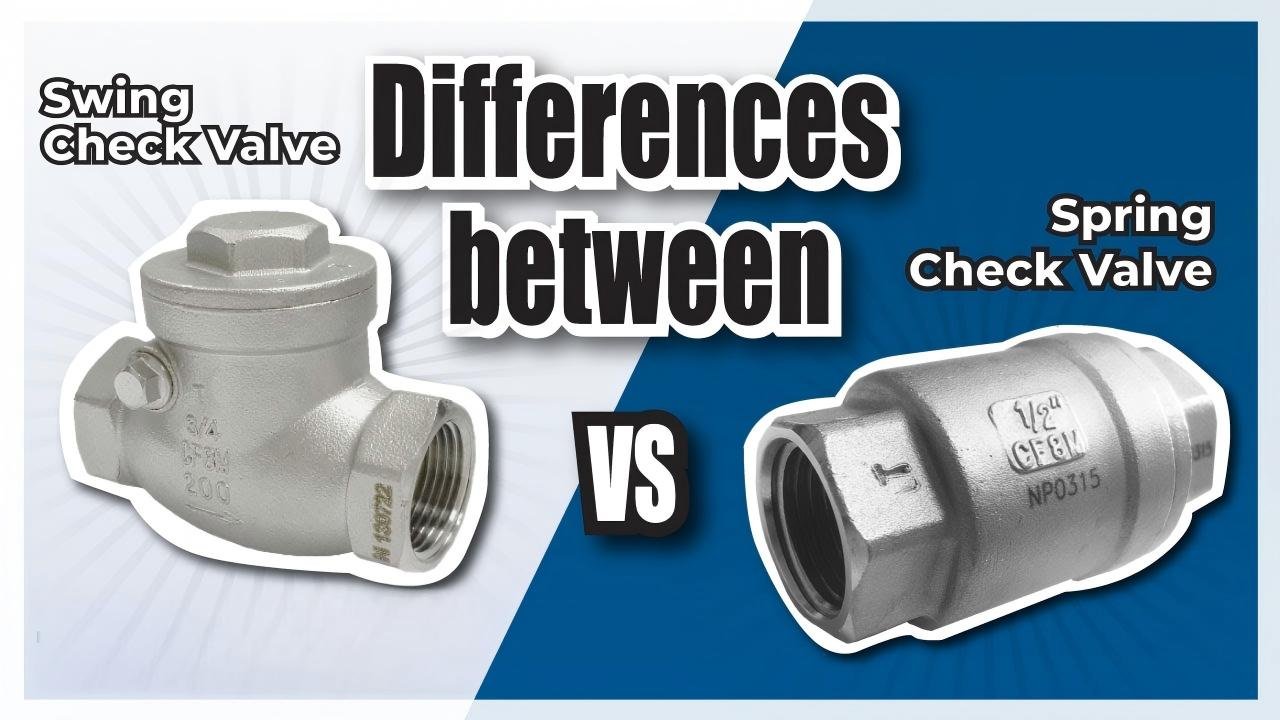
In the design of industrial piping and pump systems, selecting the right type of check valve is often more critical than one might imagine. The choice between a swing check valve and a spring check valve not only affects the system’s flow efficiency but also directly impacts the risk of water hammer, equipment protection, and […]
Backflow Preventer vs Check Valve: What’s the Difference?
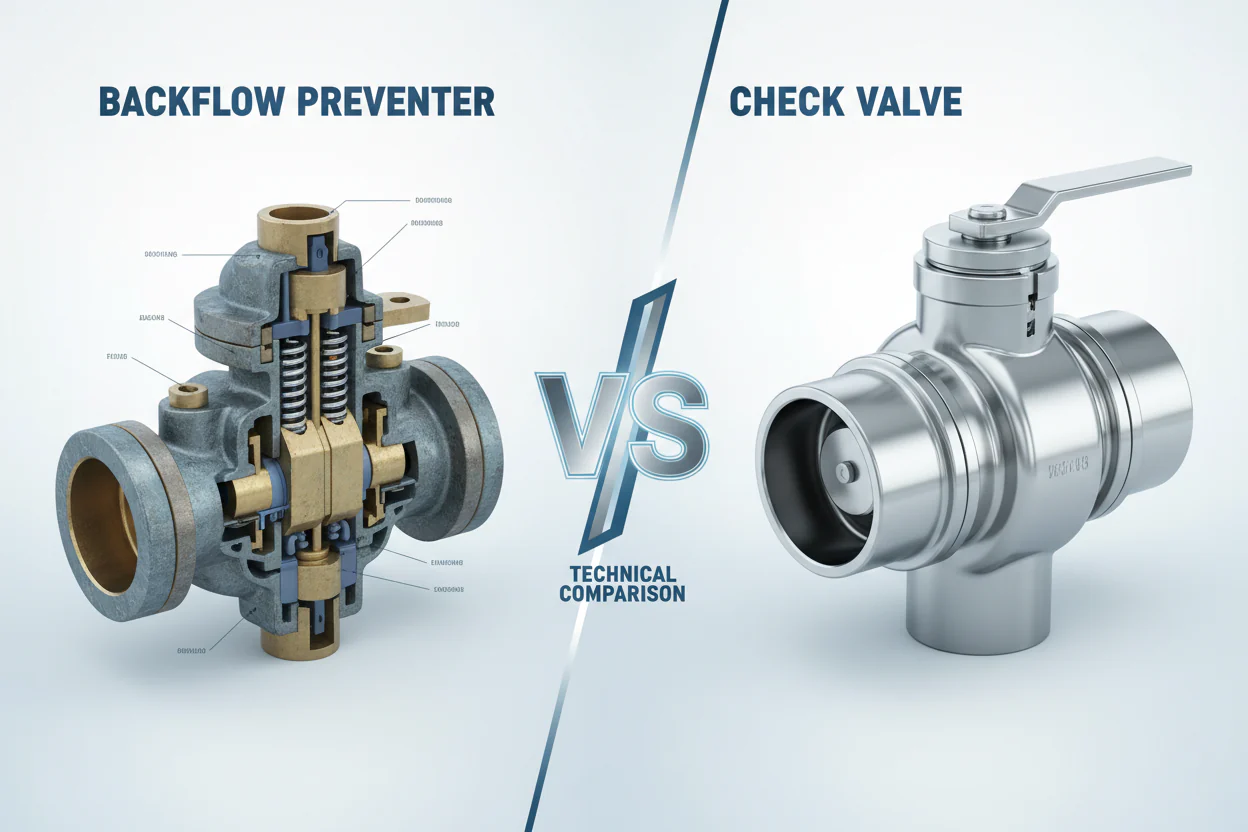
In the design of water systems and industrial piping, the correct selection directly determines whether the system is safe and compliant, and whether it will face contamination risks or costly rework during later operation. Both backflow preventers and check valves prevent backflow, but their safety ratings, application scenarios, and regulatory requirements are entirely different. Improper […]
 Russian
  English
  Portuguese
  Arabic
  Spanish