
Choosing cartridge mechanical seals for the pharmaceutical industry requires more than matching the shaft size. You need to evaluate the process fluid, CIP/SIP conditions, hygiene requirements, seal configuration, face materials, elastomers and required compliance documents. For low-risk clean fluids, a single hygienic cartridge seal may be sufficient. For sterile, toxic, volatile or high-value pharmaceutical products, a double cartridge mechanical seal with a suitable barrier system is usually a safer choice.
Why Pharmaceutical Applications Need Special Mechanical Seals?
The pharmaceutical industry places far higher demands on cartridge mechanical seals than the general chemical industry, pumps, or general industrial equipment.
Pharmaceutical equipment handles more than just liquids; it handles many critical fluids, including pharmaceutical solutions, sterile media, high-purity raw materials, CIP/SIP cleaning media, and high-value active pharmaceutical ingredients (APIs).
If a seal fails, the loss extends beyond the equipment itself—it could result in the entire batch of medication being scrapped. Therefore, the pharmaceutical industry must use “specially designed” mechanical seals.
Cartridge mechanical seals are currently one of the most widely adopted solutions in pharmaceutical equipment.
Main Types of Cartridge Mechanical Seals for Pharmaceutical Use
In the pharmaceutical industry, there is not just one type of cartridge mechanical seal.
The characteristics of the pharmaceutical solutions, temperature, cleanliness levels, CIP/SIP frequency, pressure, and rotational speed vary across different pharmaceutical applications, so the corresponding cartridge seal designs are also completely different.
You can think of cartridge mechanical seals in the pharmaceutical industry as essentially striking a balance between hygiene, stability, and corrosion resistance.
Below, I’ll guide you through a deeper understanding of the most common types of cartridge mechanical seals used in the pharmaceutical industry.
1. Single Cartridge Mechanical Seal
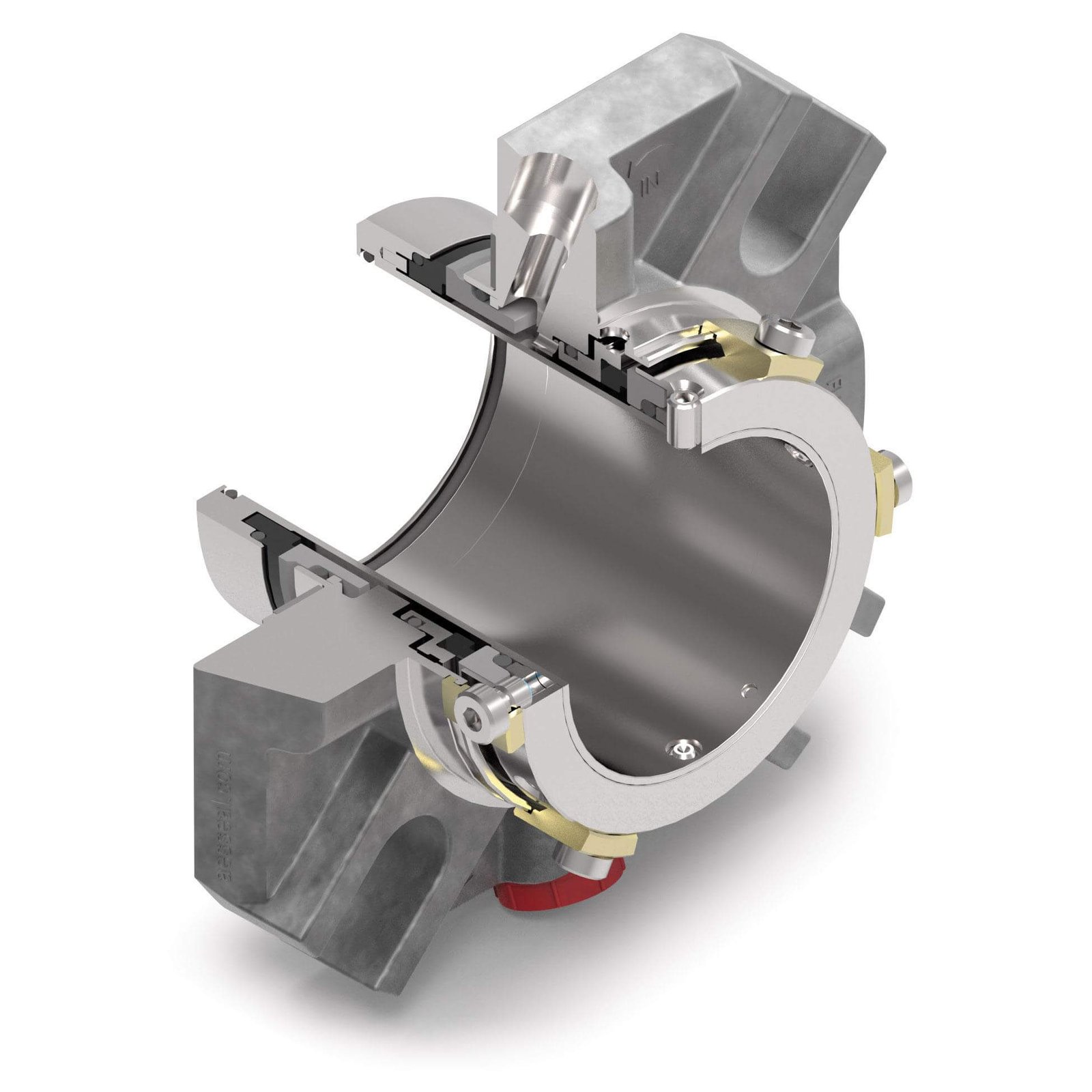
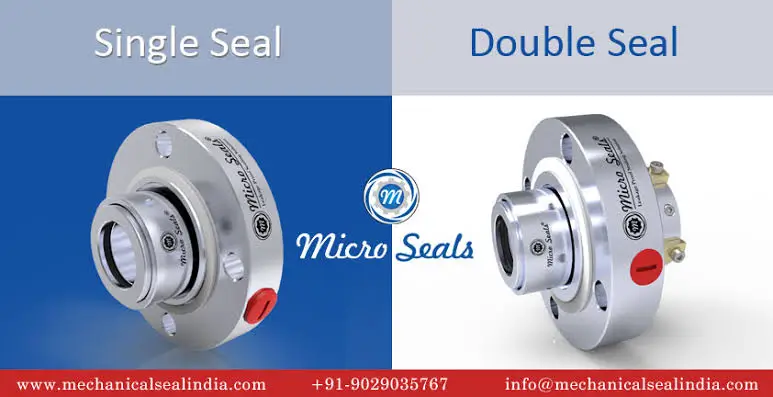
The single-cartridge mechanical seal is the most basic and widely used type in the pharmaceutical industry.
It has only one sealing face and is relatively low-cost. It is typically used in pure water systems, low-hazard pharmaceutical solutions, CIP circulation pumps, and general sanitary transfer systems.
If the medium is non-volatile, has low toxicity, and the risk of leakage is manageable, a single-cartridge mechanical seal is sufficient.
As a professional mechanical seals manufacturer , Sakowitz offers a wide range of products featuring a typical single-face cartridge design.
For example:
- XD Cartex (SN/DN)
- CLH Series
- CISG Series
2. Double Cartridge Mechanical Seal
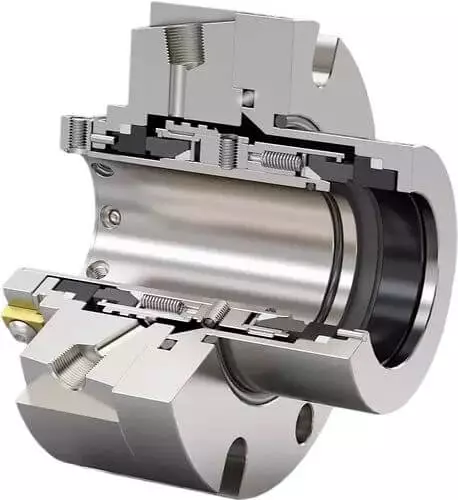
The double-cartridge mechanical seal is a critically important type of seal in the pharmaceutical industry. It is widely used in applications involving sterile pharmaceutical solutions, APIs, volatile media, toxic media, and high-value pharmaceutical solutions.
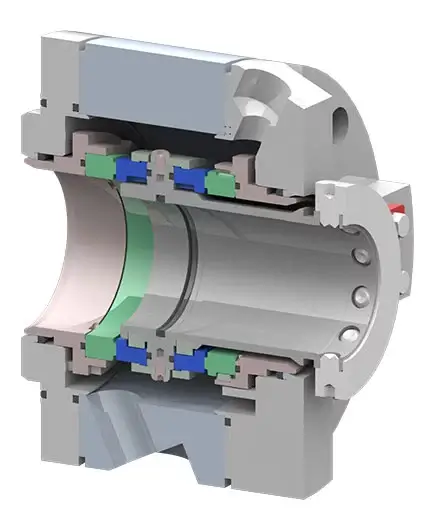
It features two sets of sealing faces, with a barrier fluid or buffer fluid system formed between them. Its greatest value lies not in being “more expensive,” but in providing greater safety.
This is because it can:
- Prevent media leakage to the outside
- Prevent air from entering the system
- Prevent microbial contamination
- Improve lubrication of the sealing faces
- Reduce the risk of dry running
In pharmaceutical manufacturing, many GMP facilities specifically require a double-face design because sterility and stability are more important than cost.
3. Balanced Cartridge Seal
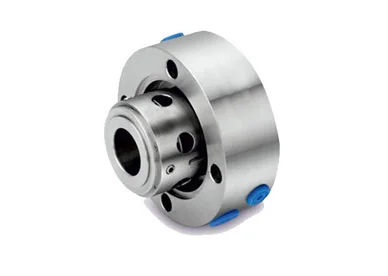
Balanced cartridge seals are also very common in pharmaceutical applications, particularly in conditions involving medium to high pressure, high rotational speeds, high temperatures, and media prone to vaporization.
Balanced cartridge seals reduce the forces acting on the sealing surfaces, minimizing heat generation and friction, thereby extending seal life.
Pharmaceutical production lines typically operate continuously for long periods, undergo frequent cleaning, and incur very high downtime costs. Therefore, a balanced structure is essential.
Sakowitz’s balanced mechanical seal design:
- XD Cartex (SN/DN)
- CLH TYPE
- 200/2001/2004/2005 Series
This design is particularly suitable for pharmaceutical reactors, sanitary centrifugal pumps, mixing equipment, and aseptic transfer systems.
4. Agitator Cartridge Seal
Agitator cartridge seals are commonly used in pharmaceutical reactors.
The pharmaceutical industry makes extensive use of agitator tanks, fermenters, reactors, and mixing equipment. These devices feature large shaft diameters, complex vibration patterns, and significant axial movement, making it difficult for standard pump seals to operate reliably over the long term.
For this reason, specialized agitator cartridge seals are employed.
Relevant products in the Sakowitz range:
- 204B
- XDHJCK
- 200/2001/2004/2005
- 2009 (M481K)
These are all standard agitator mechanical seals. These products are ideal for use in pharmaceutical mixing systems, sterile reactors, fermentation equipment, and food and pharmaceutical processing systems.
How to Select Seal Materials?
When selecting a pharmaceutical mechanical seal, many people focus on:
- Structure
- Balanced design
- Single-face or double-face
However, what truly determines whether a mechanical seal can operate stably over the long term is often the material. In the pharmaceutical industry, seal material selection is critical. Pharmaceutical operating conditions are highly complex; if the wrong material is chosen, even the best design will result in a very short seal life. In practical applications, many mechanical seal failures are not actually due to design issues, but rather to material mismatches.
Below, I will guide you through the logic behind material selection for pharmaceutical cartridge mechanical seals.
What are the core materials used in mechanical seals?
A cartridge mechanical seal consists of several key materials:
| Component | Main Function |
|---|---|
| Seal Face | Provides the primary sealing surface |
| Elastomer | Ensures secondary sealing through O-rings |
| Metal Parts | Provide structural support and corrosion resistance |
| Spring | Maintains closing force and seal face compensation |
The key to selecting materials for pharmaceutical seals is ensuring that they meet all of the following criteria:
- Corrosion resistance
- High-temperature resistance
- Sterilizability
- Contamination-free
- Long service life
- GMP hygiene requirements

Step 1: How to Choose Seal Face Materials?
The sealing faces are the most critical component of the entire mechanical seal. This is where the actual friction occurs.
In the pharmaceutical industry, the most common types are:
| Material | Features |
|---|---|
| SIC (Silicon Carbide) | Excellent wear resistance, corrosion resistance, and high-temperature performance |
| Carbon Graphite | Good self-lubricating performance and stable operation |
| Ceramic | Cost-effective, suitable for general applications |
| TC (Tungsten Carbide) | High hardness and strong wear resistance |
In the pharmaceutical industry, the advantages of SIC are very clear. It combines exceptional wear resistance, high hardness, good thermal conductivity, and strong corrosion resistance, making it suitable for CIP/SIP applications.
You will find that many Sakowitz products use SIC/SIC and Carbon/SIC pairings. This is actually a classic configuration for pharmaceutical mechanical seals.
So many people ask, “If SIC is so strong, why not use all-SIC?”
This is because SIC-to-SIC contact generates higher friction heat, requires more rigorous lubrication, and is more expensive. Carbon, on the other hand, offers the advantage of strong self-lubricating properties. In situations involving short-term dry running, frequent starts and stops, or unstable lubrication conditions, Carbon is actually the safer choice.
Therefore, many pharmaceutical seals utilize this classic Carbon vs. SIC combination.
Step 2: How to Choose Elastomer Materials?
Elastomer materials (O-ring materials) are the most overlooked yet particularly prone-to-failure component of pharmaceutical seals.
| Material | Features |
|---|---|
| EPDM | Excellent resistance to steam and CIP/SIP cleaning |
| Viton (FKM) | Strong chemical and high-temperature resistance |
| FFKM | Premium solution for aggressive chemical media |
| PTFE | Outstanding chemical stability and corrosion resistance |
- For frequent SIP steam sterilization, hot water washing, or CIP cleaning: Choose EPDM.
- If the medium contains solvents, oily components, or highly corrosive chemicals: Choose Viton (FKM).
- For highly corrosive operating conditions, high-value API solutions, or high-risk pharmaceutical systems: Choose FFKM.
- If the medium is extremely corrosive and standard rubber materials are prone to failure: Choose PTFE.
Step 3: How to Choose metal materials?
| Material | Features |
|---|---|
| SS304 | General-purpose stainless steel |
| SS316 | Better corrosion resistance |
| SS316L | Preferred for hygienic and pharmaceutical applications |
Pharmaceutical seals tend to favor 316L. In WFI systems, injectables, and biopharmaceuticals, 316L is the preferred choice.
Core Principles of Pharmaceutical Seal Material Selection
| Key Consideration | Почему это важно |
|---|---|
| Chemical Corrosion | Determines seal face and elastomer compatibility |
| SIP Steam Sterilization | Affects O-ring material selection |
| Crystallizing Media | Influences seal face wear resistance |
| Leakage Requirements | Determines whether double seals are needed |
| High-Speed Operation | Requires balanced seal design |
| Hygienic Standards | Impacts metal material and surface finish selection |
Key Operating Conditions to Confirm Before Selection
The correct selection process should be: first determine the operating conditions, then the design, and finally the materials.
This is because the design and materials of a mechanical seal are primarily determined by several key parameters: medium characteristics, temperature, pressure, rotational speed, equipment type, and cleaning method. For sanitary pharmaceutical equipment, special consideration must also be given to CIP/SIP cleaning, sterilization, and contamination prevention requirements.
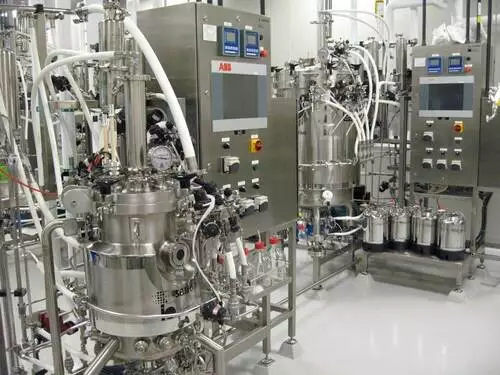
Key Operating Conditions 1 —— Identify the Medium
First, you need to identify the specific medium being transported within the equipment:
Is it purified water, water for injection, pharmaceutical solutions, solvents, API intermediates, or a medium containing crystals, particles, or substances prone to adhesion?
- If it is a standard aqueous medium, the selection process is relatively straightforward.
- if it involves solvents, corrosive pharmaceutical solutions, or high-value APIs, you should prioritize double-ended ferrule seals and higher-grade sealing materials.
- If the medium is prone to crystallization or deposition, the sealing surfaces are highly susceptible to wear or seizing. In such cases, attention must not be limited to “whether a seal can be achieved”; factors such as flushing, barrier fluids, or double-seal configurations must also be considered.
Key Operating Conditions 2 —— Temperature, especially CIP/SIP temperature
In the pharmaceutical industry, temperature considerations cannot be limited to normal operating temperatures alone. They must also include:
- Normal production temperatures
- CIP cleaning temperatures
- SIP steam sterilization temperatures
This is because many seal failures do not occur during normal operation, but rather after repeated cleaning and sterilization cycles. Sanitary mechanical seals must withstand repeated CIP/SIP cycles, cleaning chemicals, and temperature fluctuations while maintaining consistent sealing performance.
If frequent SIP steam sterilization is required, EPDM or materials better suited for steam conditions should be prioritized for O-rings. If the medium contains solvents, Viton/FKM or FFKM may be more suitable.
The Sakowitz catalog features numerous cartridge seal and mechanical seal configurations available in materials such as SIC, Carbon, Viton, EPDM, FFKM, and SS304/SS316—key materials frequently selected for pharmaceutical applications based on temperature and media requirements.
Key Operating Conditions 3 —— Pressure and pressure fluctuations
Pressure determines the forces acting on the sealing faces.
- At lower pressures, a standard single-face cartridge seal may be sufficient.
- At higher pressures, or where pressure fluctuations are significant, consider a balanced mechanical seal.
Key Operating Conditions 4 —— Rotational Speed and Shaft Diameter
The higher the rotational speed, the greater the frictional heat generated at the sealing surface.
If the rotational speed is high and the shaft diameter is large, the linear velocity at the sealing surface will also be higher. In such cases, special attention must be paid to the sealing surface material, cooling method, lubrication conditions, and whether a balanced design is required.
For pharmaceutical mixing equipment such as agitators and reactors, additional attention must be paid to shaft wobble, axial runout, and vibration. Standard pump seals may not be suitable for these operating conditions.
Key Operating Conditions 5 —— Equipment Type
The selection criteria for mechanical seals vary significantly depending on the equipment.
For pump seals, the key considerations are pressure, rotational speed, the lubricity of the medium, and cleaning requirements. For agitator seals, the focus is on shaft deflection, tank pressure, vacuum conditions, and whether sterile isolation is required. For reactor seals, additional factors to consider include temperature fluctuations, the volatility of the medium, and long-term operational stability.
Therefore, even when dealing with pharmaceutical cartridge mechanical seals, one cannot simply select a model based solely on the shaft diameter.
Key Operating Conditions 6 —— Is leakage permitted?
If the medium is a standard cleaning fluid and the risk of minor, controllable leaks is low, a single-face cartridge seal may be sufficient.
However, if the medium consists of high-value pharmaceutical solutions, sterile pharmaceutical solutions, toxic substances, volatile solvents, or API materials, a double-cartridge mechanical seal should be the preferred choice.
Checklist for Choosing Pharmaceutical Cartridge Mechanical Seals
| Checklist Item | What Needs to Be Confirmed | Почему это важно |
|---|---|---|
| Media Type | Pharmaceutical liquid, purified water, solvent, API, slurry media | Determines seal structure and material compatibility |
| Corrosiveness | Acidic, alkaline, solvent-based, chemical aggressiveness | Determines seal face and elastomer materials |
| Рабочая температура | Normal and maximum temperature | Affects seal face and elastomer lifespan |
| SIP/CIP Conditions | Steam sterilization, cleaning frequency, cleaning chemicals | Determines EPDM, FKM, or FFKM selection |
| Operating Pressure | Working pressure and pressure fluctuations | Determines whether a balanced seal is required |
| Скорость вращения | Shaft speed and surface speed | Influences friction heat and seal life |
| Equipment Type | Centrifugal pump, reactor, mixer, agitator, etc. | Determines pump seal or agitator seal design |
| Leakage Requirement | Sterile process or high-value pharmaceutical media | Determines single seal or double seal selection |
| Hygienic Requirement | GMP, FDA, sterile processing standards | Determines hygienic seal structure and materials |
| Seal Face Material | SIC/SIC, Carbon/SIC, etc. | Influences wear resistance and stability |
| Elastomer Material | EPDM, Viton, FFKM, PTFE | Affects chemical and temperature resistance |
| Metal Material | SS304, SS316, SS316L | Influences corrosion resistance and hygiene |
| Continuous Operation | Long-term running or frequent start-stop | Determines need for balanced seal design |
| Installation Space | Seal chamber size and shaft dimensions | Determines cartridge seal size |
| Maintenance Requirement | Need for easy maintenance or quick replacement | Influences cartridge seal preference |
 Russian
  English
  Portuguese
  Arabic
  Spanish