
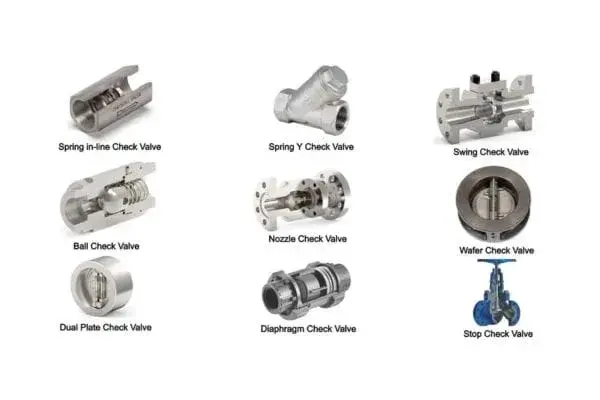
A check valve, also known as a non-return valve (NRV), is a type of valve that allows fluid to flow in only one direction and automatically prevents reverse flow.
Unlike ball valves, gate valves, and butterfly valves, which require manual, electric, or pneumatic control to open and close, check valves are classified as automatic valves.
During operation, they do not require external power or operator control. They open and close automatically solely based on the pressure generated by the fluid itself.
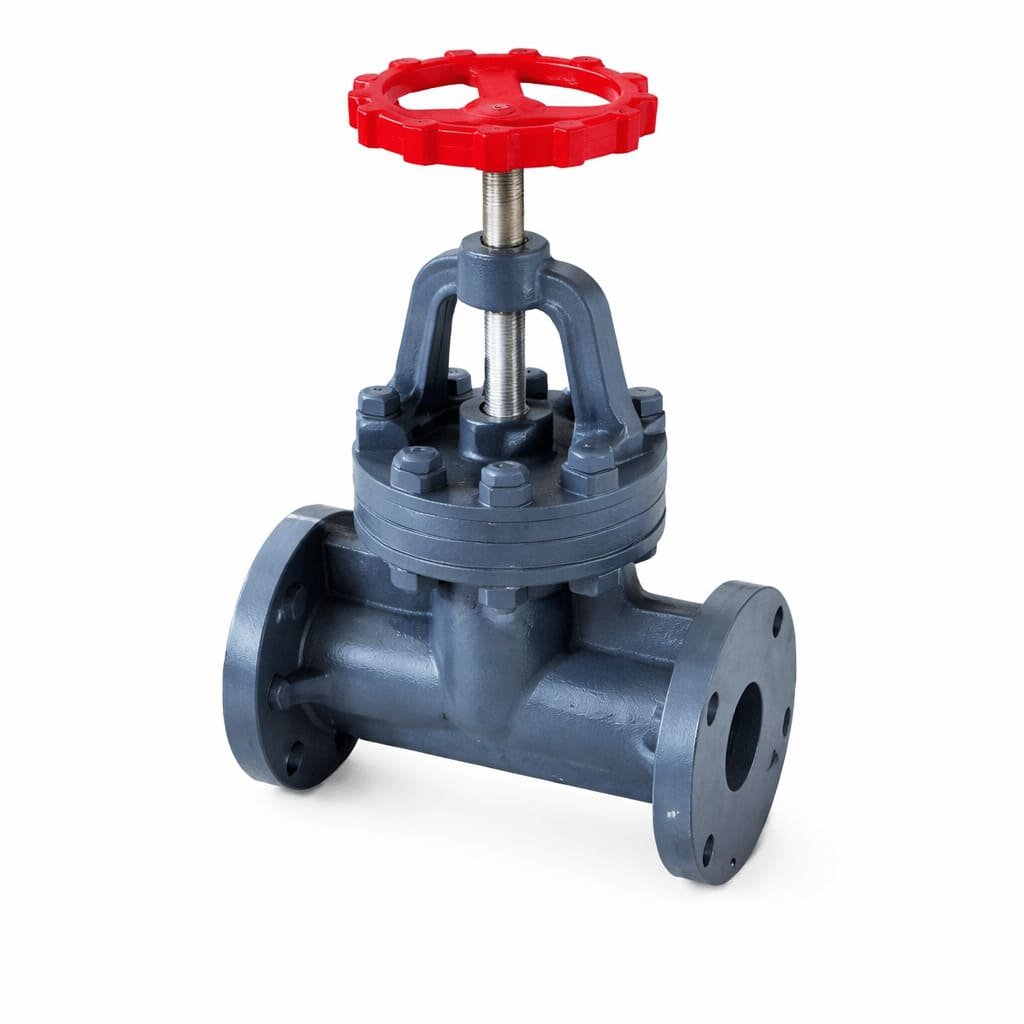
The operating principle of a check valve is based on a key principle:
It allows the medium to flow in one direction and automatically prevents flow in the opposite direction.
It operates automatically based entirely on the pressure differential generated by the medium within the pipeline.
Detailed Explanation of the Check Valve Operation Process
If you are planning to purchase valves for your project, it is important to have a clear understanding of how they work. Selecting the right valves is essential for reducing system failure rates and lowering overall procurement costs.
| Check Valve Type | Sealing Performance | Water Hammer Prevention | Pressure Drop | Typical Applications |
|---|---|---|---|---|
| Swing Check Valve | ★★★ | ★★ | ★★★★★ | Water Supply, Oil & Gas Pipelines |
| Lift Check Valve | ★★★★★ | ★★★ | ★★★ | Steam Systems, High-Pressure Applications |
| Spring Check Valve | ★★★★ | ★★★★★ | ★★★★ | HVAC, Pump Systems |
| Dual Plate Check Valve | ★★★★ | ★★★★ | ★★★★ | HVAC, Power Generation |
| Ball Check Valve | ★★★ | ★★★ | ★★★ | Wastewater, Slurry Handling |
| Silent Check Valve | ★★★★★ | ★★★★★ | ★★★★ | Building Water Supply Systems |
| Wafer Check Valve | ★★★ | ★★★ | ★★★★ | General Industrial Pipelines |
| Nozzle Check Valve | ★★★★★ | ★★★★★ | ★★★★★ | Oil & Gas, Petrochemical, Power Plants |
| Tilting Disc Check Valve | ★★★★ | ★★★★ | ★★★★★ | Power Plants, Petrochemical Industry |
| Foot Valve | ★★★ | ★★★ | ★★★ | Pump Suction Lines, Irrigation Systems |
There are many types of check valves. None is inherently superior to the others.
Selecting the right model can not only reduce your procurement costs but also lower your long-term maintenance expenses. Of course, if you are unsure about the characteristics and applications of different check valves, our technical team can help you make the right choice more quickly.
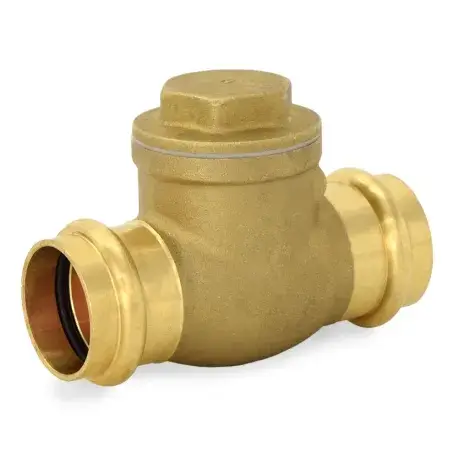
A swing check valve opens and closes via a hinged disc.
When the medium flows in the forward direction, the disc is pushed open. When the medium flows in the reverse direction, the disc closes under the force of gravity and back pressure.
Swing check valves feature a simple design, low flow resistance, and minimal pressure loss.
If your application involves large-diameter piping and very high liquid flow rates, a swing check valve is an excellent first choice.
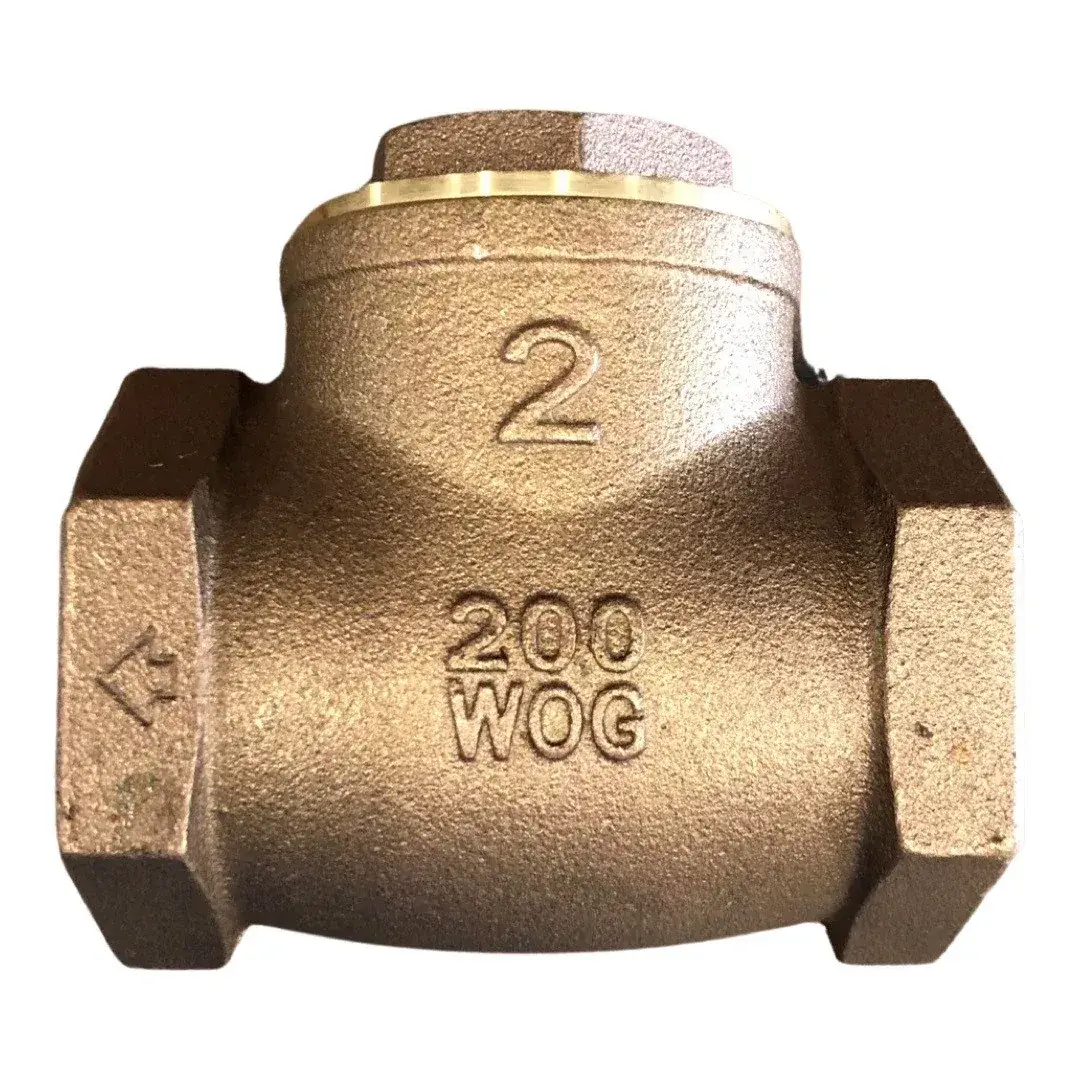
Lift check valves control the flow of fluid by moving the disc up and down.
When the medium flows, the disc is lifted; when the flow rate decreases or reverses, the disc automatically drops back onto the seat to form a seal.
Among the many types of check valves, the lift check valve offers exceptional sealing performance. If your application involves high-temperature, high-pressure conditions, the lift check valve is an excellent choice. Of course, it is also the ideal choice for applications with high sealing requirements.
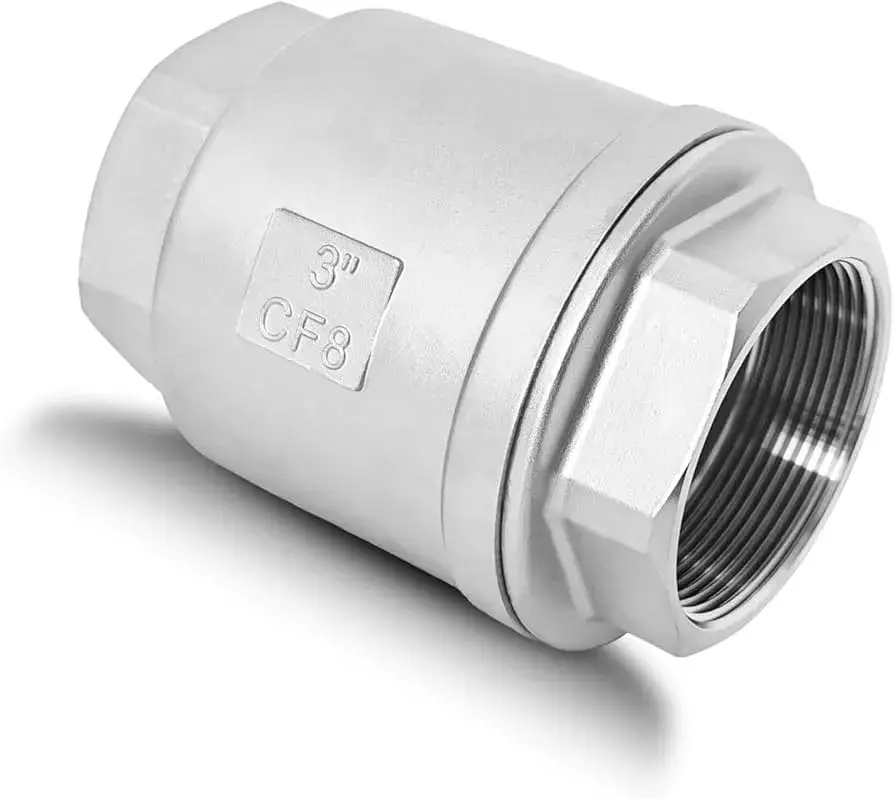
Spring check valves incorporate a spring-assisted closing mechanism in addition to the traditional design.
When flow decreases, the spring quickly pushes the disc to close the valve. They offer fast response times and flexible installation orientations. If your application requires rapid closure, a spring check valve is the ideal choice.
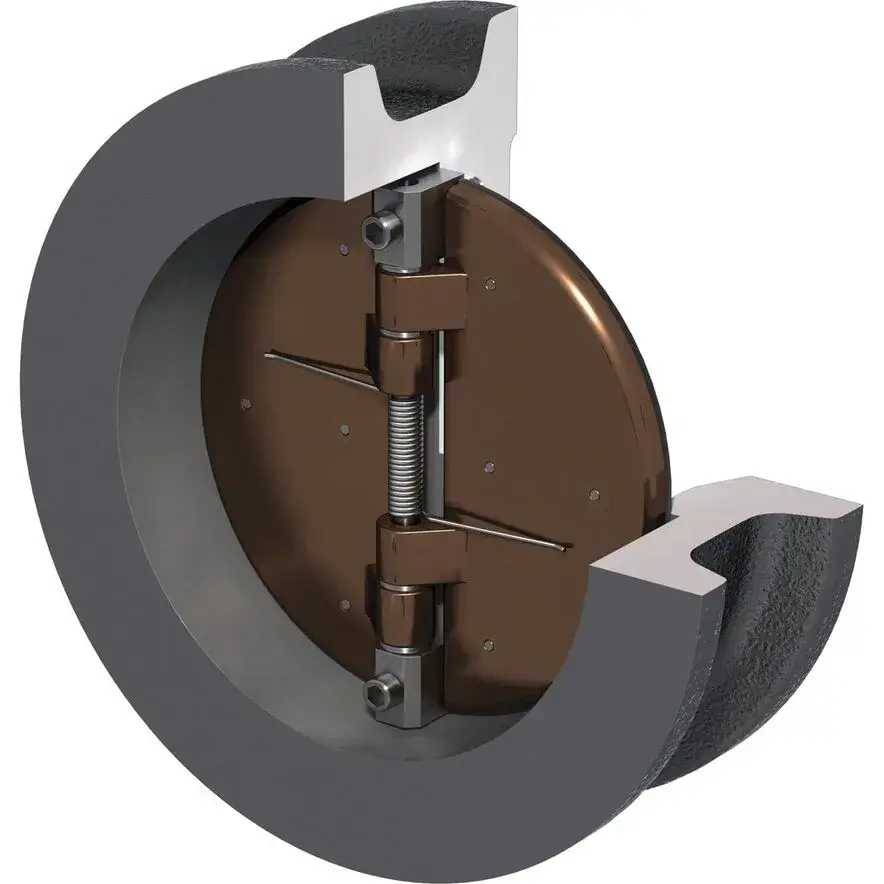
The Dual Plate Check Valve features two semicircular discs that open and close via a central shaft and torsion springs.
Compared to traditional swing-type designs, it is lighter, more compact, and closes faster, effectively reducing the risk of water hammer. This type is ideal for projects with limited installation space.
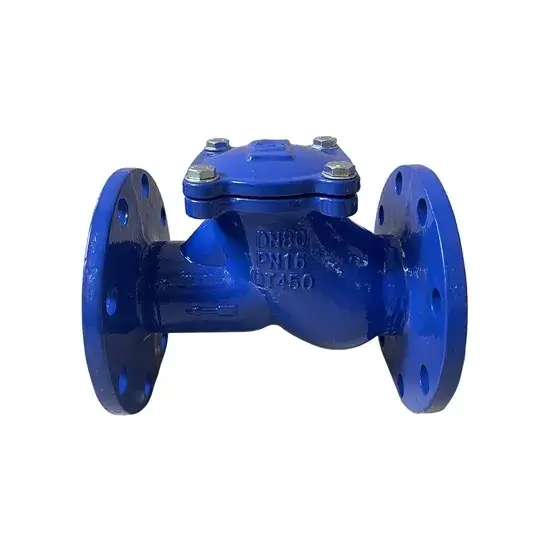
Ball check valves utilize a ball that moves freely within the valve body to provide a check function.
When fluid flows in the forward direction, it pushes the ball away from the seat; when backflow occurs, the ball automatically returns to the seat to form a seal.
Ball check valves have a very simple structure and excellent self-cleaning capabilities, making them resistant to clogging by particulate matter. If you need to use a valve in an environment containing solid particles, we recommend this type.
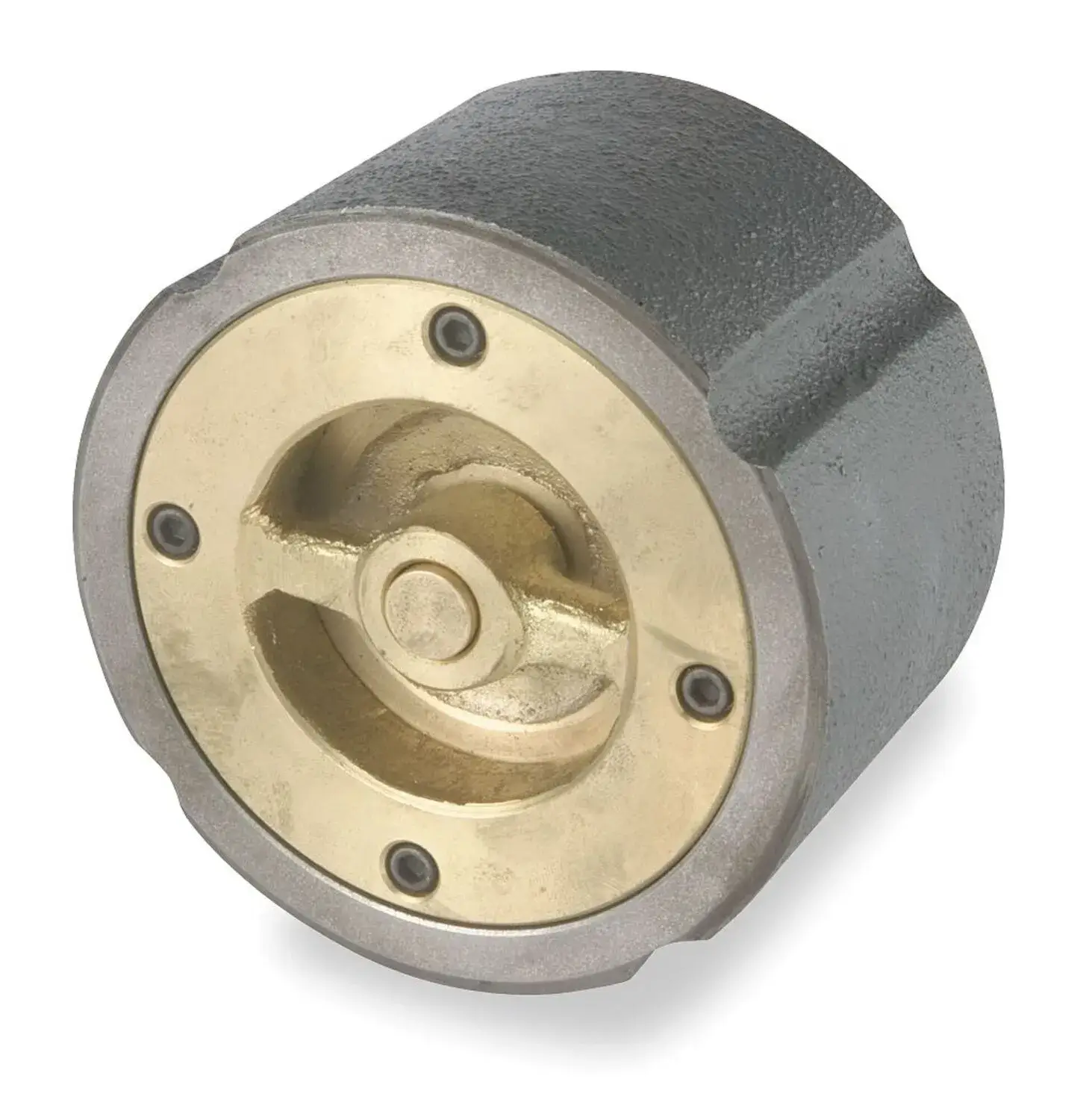
Silent check valves are designed with a spring-assisted closing mechanism.
The valve disc closes before the flow of the medium stops. This design prevents noise and water hammer caused by the valve disc slamming against the seat.
As a result, silent check valves are commonly used in locations where a quiet environment is essential.
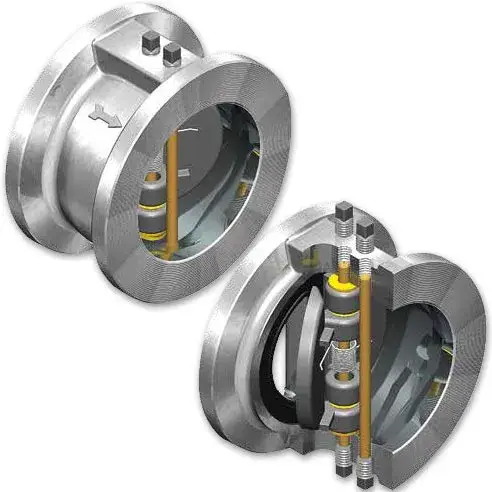
Wafer Check Valves are installed between two flanges and are characterized by their compact design, light weight, and ease of installation. Because they take up little space and are cost-effective, they are a popular choice for many industrial projects.
Wafer Check Valves are particularly well-suited for projects with limited space or tight budgets.
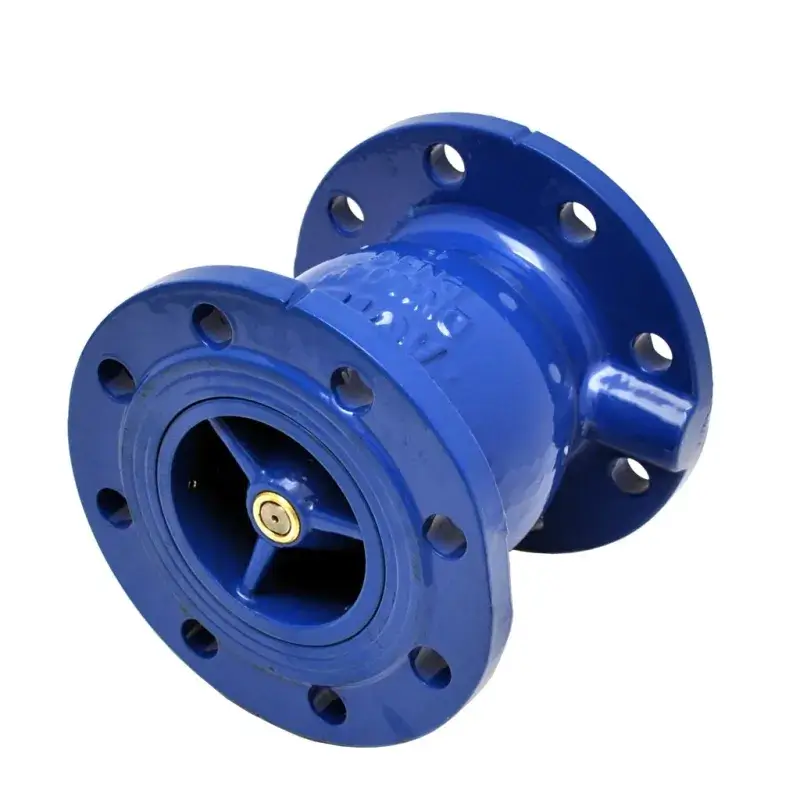
The Nozzle Check Valve features a streamlined disc and a spring-assisted design, enabling extremely fast closing speeds and minimal pressure loss. Its exceptional water hammer resistance makes it the preferred choice for high-end industrial projects.
The Nozzle Check Valve is the ideal solution for high-flow and high-pressure applications.
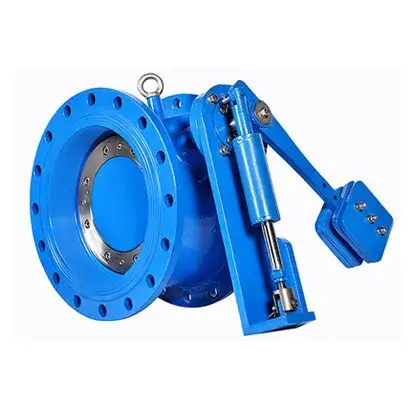
Tilting disc check valves open and close by rotating the disc around an axis in a tilted position.
The disc has a shorter travel distance than in traditional swing check valves, resulting in faster closing speeds and a lower risk of water hammer. At the same time, it maintains low flow resistance, making it ideal for medium- and high-pressure applications.
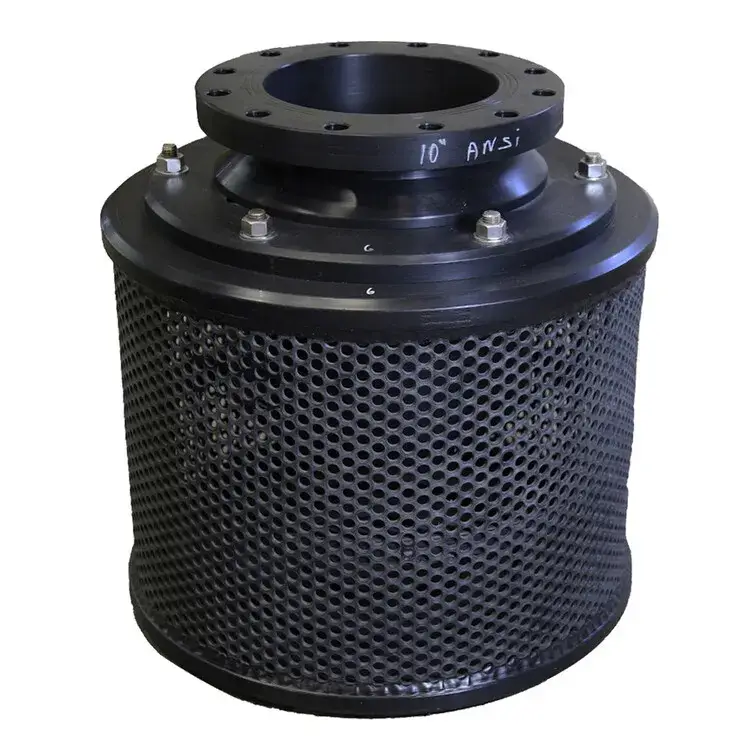
A foot valve is installed at the bottom of a pump’s suction inlet. It combines the functions of both a check valve and a filter. Not only does it prevent backflow of liquid, but it also keeps the suction pipe filled with fluid, thereby preventing damage to the pump caused by running dry.
Additionally, the built-in filter screen in the foot valve blocks impurities from entering the system, making it widely used in agricultural irrigation, groundwater extraction, pump systems, and various liquid transfer equipment.
The medium is the primary factor in selecting a check valve.
Different media impose entirely different requirements on valve design and materials.
The installation location directly influences the choice of check valve design.
When purchasing components for your project, you must verify your system’s operating pressure.
The pressure rating of the check valve must exceed the system’s maximum operating pressure. This ensures long-term, stable operation.
We recommend:
Valve pressure rating ≥ 1.2 to 1.5 times the system’s maximum pressure

When selecting check valve types for your project, if you focus solely on the price of the check valves while ignoring long-term operating costs, your overall procurement costs may end up being higher.
In practical applications, the greater the pressure drop, the higher the pump’s energy consumption. Long-term electricity costs may far exceed the initial cost of purchasing the valves.
Therefore, for high-flow applications, we recommend selecting a Swing Check Valve or a Nozzle Check Valve. These two types of check valves feature optimized flow path designs that effectively reduce energy consumption.
Different operating conditions require different materials.
For most pump outlet applications, spring-loaded check valves or silent check valves are recommended. Both types close quickly, effectively preventing backflow and water hammer, thereby protecting the pump body, impeller, and mechanical seal. For large-scale municipal water supply systems, swing check valves can also be selected, but it is recommended to use them in conjunction with a slow-closing device.
The best performance against water hammer is typically provided by silent check valves, nozzle check valves, and spring-loaded check valves. These valves utilize a spring-assisted closing mechanism that allows them to close rapidly before flow stops, thereby reducing pressure fluctuations and pipeline impact. They are particularly suitable for water supply systems in high-rise buildings and long-distance water transmission lines.
The service life of a check valve depends on the medium, pressure, temperature, and frequency of opening and closing. Generally, high-quality check valves can last 5 to 15 years or more. For applications involving frequent opening and closing, spring-loaded or nozzle-type check valves are recommended because their disc movement is more stable and they experience relatively less wear.
Choosing the right check valve types can help you reduce procurement costs. Sakowitz is a manufacturer of custom valves for pumps with extensive experience in custom manufacturing, offering you high-quality products and services. Please feel free to contact us anytime with any inquiries!
—— We Will Provide You With Professional OEM Solutions.
Whether you require pump bearings, pump valves, mechanical seals, or other custom-engineered components, we support production based on your drawings as well as rapid prototyping.
Please complete the form on the right and upload your technical drawings or specifications. Our engineering team will review your requirements within 24 hours and provide a detailed quotation, application recommendations, and delivery schedule.
Copyright © 2025 Sakowit, Todos os direitos reservados.
 Portuguese
  English
  Russian
  Arabic
  Spanish