
Selecting an inappropriate check valve for a pump can lead to severe system issues. Both oversized and undersized valves cause pressure loss in the check valve. Improper closing characteristics may also result in backflow, water hammer, pressure surges, or pump reversal. Choose a check valve based on more than pipe diameter, including pump type, flow range, operating pressure, and water quality.
This guide covers pump check valve definitions, importance, operation, installation, model selection, performance impact, common problems, manufacturer evaluation, solutions, and a practical selection checklist.
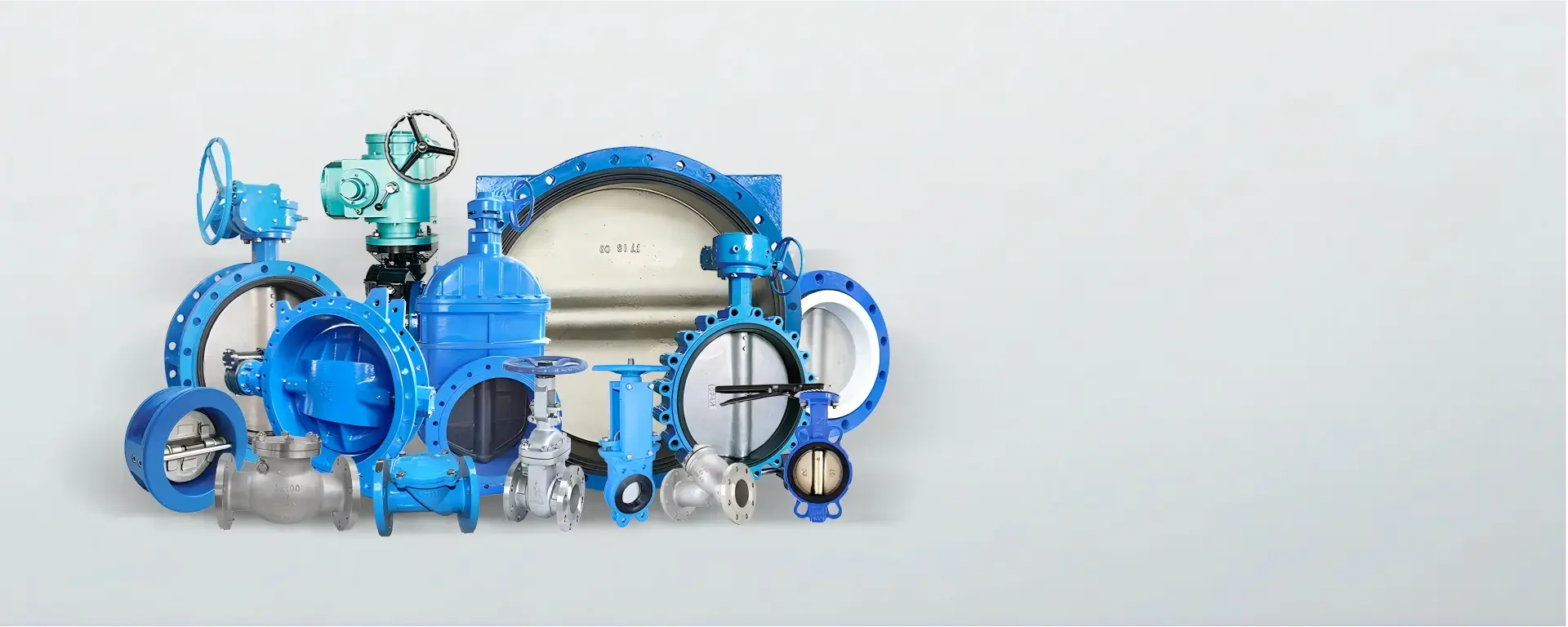
Do you know what a pump check valve is? It’s quite simple: a pump check valve is an automatic one-way valve that allows water to flow out of the pump while preventing backflow when the pump slows down or stops. It’s typically installed on the pump’s discharge line to protect the pump from backflow, reverse flow, pressure loss, and cross-flow between parallel pumps. In some suction systems, a bottom valve is also used to maintain water filling in the suction pipe.
Why do pumps require check valves? When a pump operates at high speeds or during circulation, a check valve becomes essential. It prevents backflow when the pump slows or stops, protecting against reverse rotation, maintaining pressure, preventing cross-flow, reducing drain-back, and minimizing unnecessary pump cycling.
The working principle of a water pump check valve is straightforward. When the pump operates, the generated pressure is sufficient to displace the valve disc, valve core, or ball away from the seat, causing the check valve to open automatically. During operation, forward flow keeps the valve open; when the pump slows down or stops, reduced flow causes the valve to close due to spring force, gravity, or backflow pressure. This prevents water from flowing backward and ensures stable system performance.
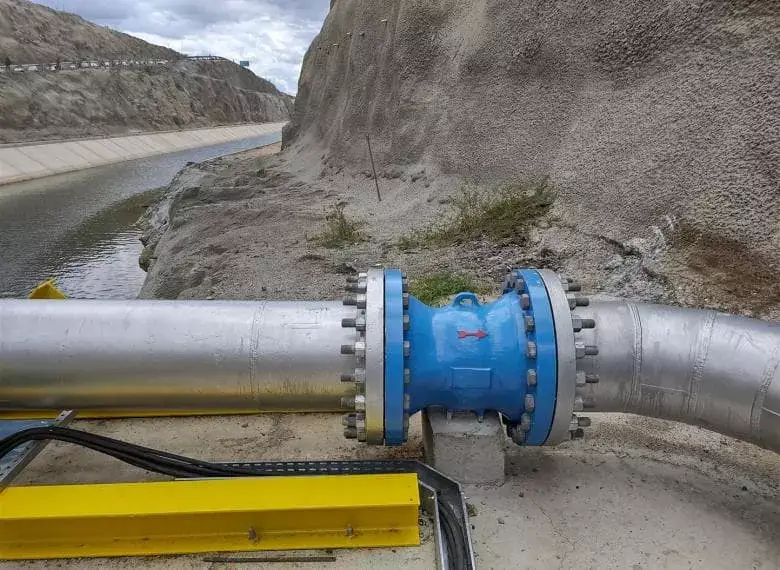
Do you know where a pump check valve should be installed? It is typically mounted on the pump’s discharge line, with the flow direction arrow pointing away from the pump. It is typically installed between the pump and downstream isolation valve to prevent backflow, maintain system pressure, and protect the pump after shutdown. Installation varies by system: positive-displacement systems may use a suction-pipe foot valve for priming, while parallel systems require a separate check valve at each pump outlet.
During installation, confirm horizontal or vertical suitability, provide required straight pipe and maintenance clearance, and ensure proper support and sizing for actual flow conditions. Incorrect flow direction, inadequate pipeline support, or improper installation orientation can lead to significant pressure loss or leakage issues.
When selecting a pump check valve, it’s important to recognize that there is no one-size-fits-all solution. The optimal choice depends on factors such as pump type, water quality, flow range, operating pressure, and installation direction. Therefore, each valve should be compared based on pressure loss, closing response, solid passage capability, and maintenance requirements.
The rotary check valve employs a hinged disc that opens in the direction of water flow and returns to the seat when the pump is shut off. When fully open, its unobstructed passage reduces pressure loss, making it suitable for water supply, irrigation, raw water, and large-diameter pumping systems. This type of valve is particularly suitable for applications requiring stable flow rates, critical control of solid particle passage, and no demand for rapid closure response.
A spring-loaded check valve utilizes a spring to return the disc or valve core to its position against the seat. Before the valve opens, the pump must first generate sufficient pressure differential to overcome the spring force.
When the pump decelerates or stops, the spring ensures the valve closes before significant backflow occurs. These valves are commonly used in clear-water pumps, booster pumps, small centrifugal pumps, and compact pipeline systems. Their short travel distance and rapid response time help minimize valve impact and reduce pressure fluctuations.
Silent check valves typically employ a spring-assisted valve disc that moves along the pipeline axis. This design significantly reduces the substantial impact noise associated with traditional swing-type check valves. These valves are widely used in booster systems, high-rise water supply, commercial buildings, and pump rooms requiring low noise and effective water hammer mitigation.
Their compact design suits space-limited installations, but silent operation does not eliminate all water hammer; system-specific conditions must still be evaluated.
The clamped double-valve check valve consists of two semicircular valve discs mounted on a central hinge pin. As the forward flow rate decreases, the spring-assisted disc closes. Due to the relatively short travel distance of each disc, this valve offers faster response times compared to traditional swing-type check valves.
Its compact design and lightweight construction make it ideal for pump systems with limited installation space. The clamped double-valve check valve is widely used in clean water, cooling water, fire protection water, and industrial circulation systems.
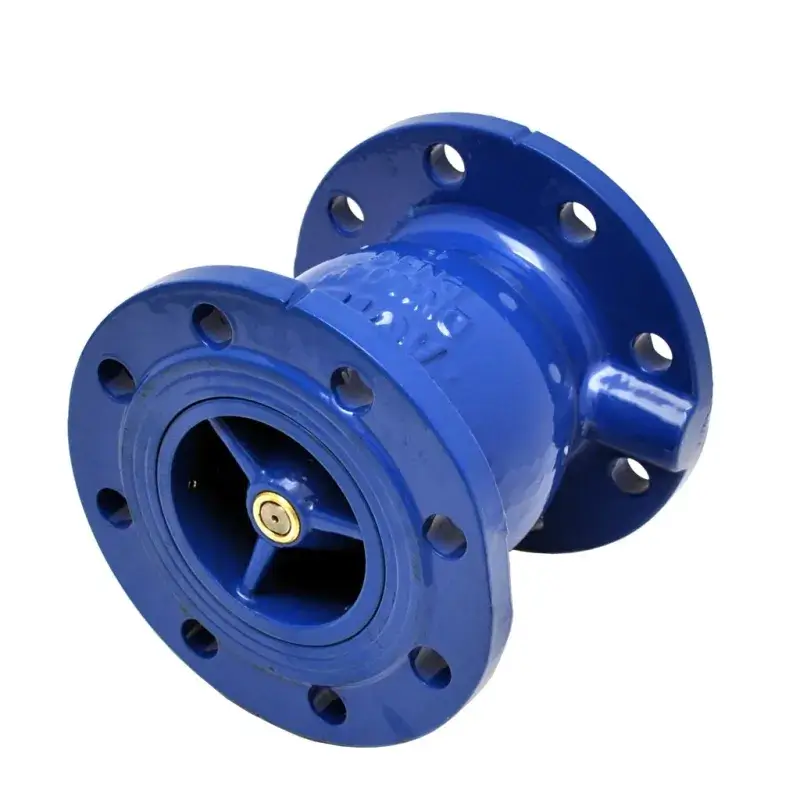
The nozzle check valve, also known as an axial-flow or water hammer check valve, employs a spring-assisted disc that moves in the direction of water flow. This type is typically selected for high-head pumping stations, long-distance pipelines, multi-pump systems, and critical clear-water applications.
It provides an optimal balance between low pressure loss and rapid closure response, effectively reducing backflow and water hammer effects. Nozzle check valves are generally more suitable for clear-water applications than those used with wastewater containing large solids.
A ball check valve uses a sphere that moves away from the seat during forward flow and returns under gravity and back pressure when the pump stops. Full-bore ball check valves offer nearly unobstructed flow and are commonly used in sewage, wastewater, sump, and suspended-solids pumping systems.
When selecting a spherical check valve, verify the maximum solid particle size, valve orientation, maintenance access, pressure loss characteristics, and potential noise or impact issues.
The pump bottom valve is a specialized check valve installed at the base of a pump’s suction pipe. It typically features a filter to prevent large debris from entering the suction line. During operation, water flows through the valve into the pump; when the pump stops, the valve closes, ensuring the suction pipe remains filled with water.
These valves are primarily used in suction pumps, irrigation systems, well water systems, and other devices where the pump is positioned above the water source. They help maintain continuous water supply and eliminate the need to re-pressurize the suction pipe before each start-up.
Based on the above information, you can select the most suitable pump check valve for your needs, considering your actual operating conditions rather than just pipeline dimensions.
How do check valve types differ in pressure drop, closing speed, water hammer risk, impurity handling, installation space, and pump compatibility?Rotating disc check valves typically feature a relatively open flow path and are suitable for general water systems.
Spring-loaded, silent, and nozzle-type check valves offer faster closing speeds and are often the preferred choice when preventing valve impact noise or water hammer effects. Wafer dual-plate check valves save space, ball check valves suit wastewater and solids, while foot valves maintain pump prime in suction lines.
Your selection must always be verified based on the actual flow range, pressure, water quality, and installation direction.
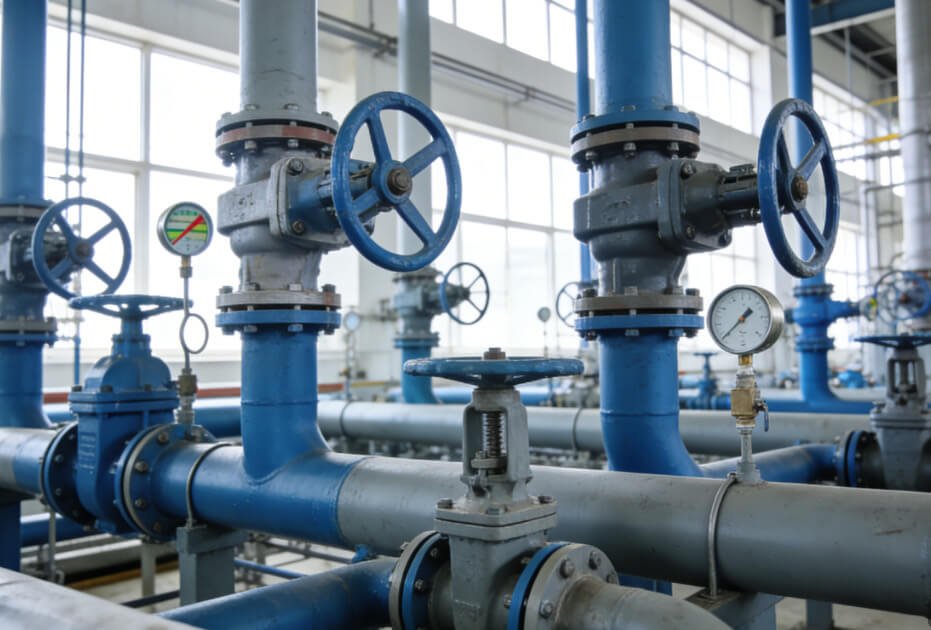
As a user of a pump check valve, you need to understand its impact on the pump. A check valve affects water pump performance by adding resistance to the piping system while protecting the pump from reverse flow. Its pressure loss, cracking pressure, size, and closing response can influence the pumps actual flow rate, operating point, energy consumption, and low-flow stability.
A correctly selected valve helps maintain system pressure, prevent pump reverse rotation, reduce drain-back, and support stable operation in parallel pump systems. However, an oversized, undersized, leaking, or slow-closing check valve can reduce flow, cause chatter and cycling, increase energy use, and trigger valve slam or water hammer.
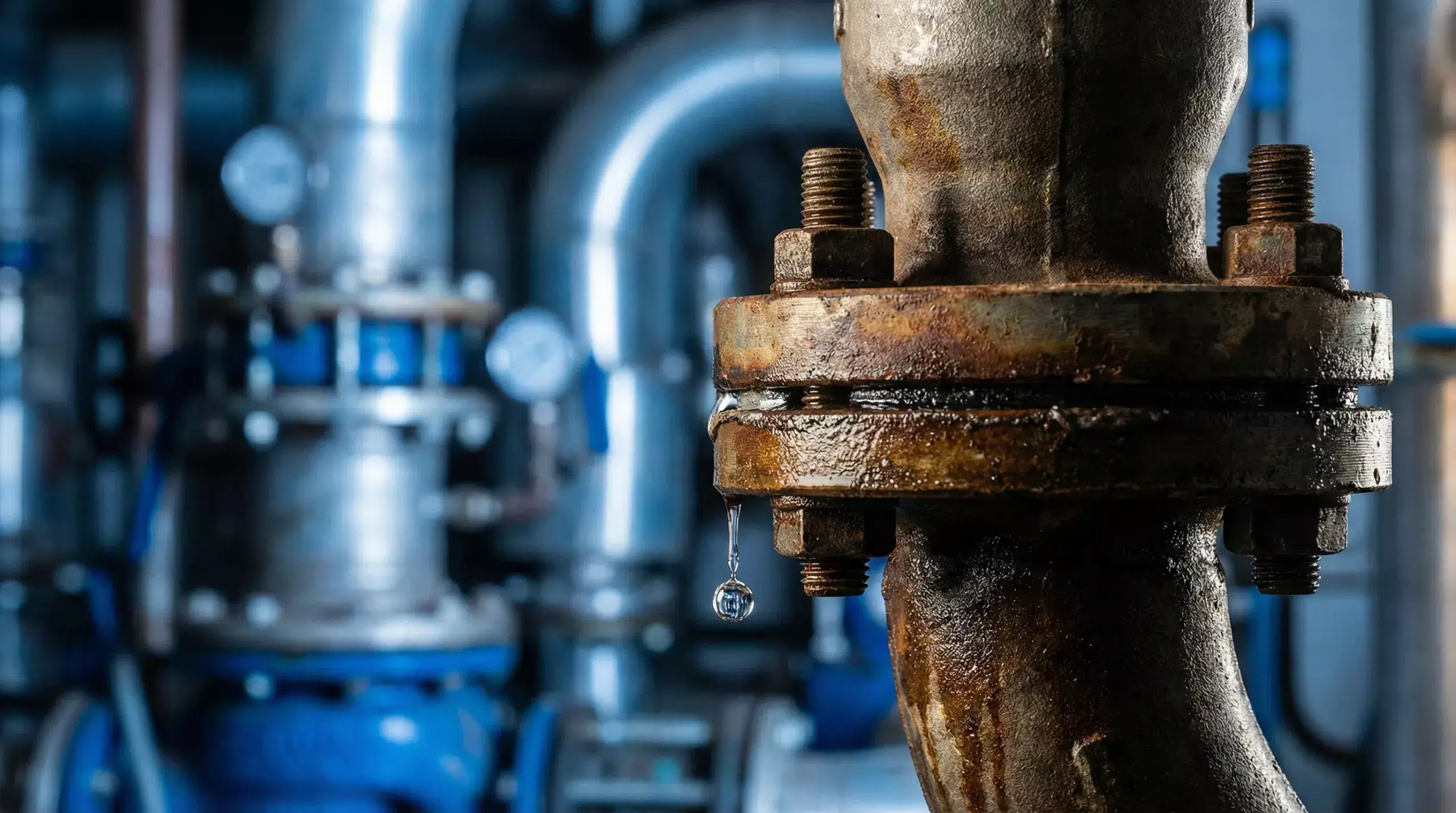
What are the common issues with water pump check valves? Common problems include leakage, disc chatter, valve slamming, excessive pressure loss, clogging, corrosion, and improper opening/closing. Do you know how to address them?
In wastewater systems, clogging may be reduced by using a full-port, ball, or other solids-handling design. Correct sizing, proper installation orientation, compatible materials, regular inspection, and verification of flow and pressure conditions are essential for reliable long-term operation.
When you evaluating a water pump check valve manufacturer, review more than product price and catalog range.A reliable supplier should provide flow and pressure-loss data, pressure-temperature ratings, cracking-pressure details, material specifications, installation instructions, and application-specific selection support.
Also verify manufacturing experience, quality systems, material traceability, pressure and leakage testing, dimensional inspection, corrosion protection, certifications, and test-report availability.
Before selecting a water pump check valve, confirm pump type, valve function, installation position, flow range and velocity, operating and shut-off pressures, surge pressure, and water quality.
You should also review the manufacturer’s Cv or Kv data, head-loss curve, minimum stable-flow requirements, maintenance access, certifications, testing records, and installation instructions.
—— We Will Provide You With Professional OEM Solutions.
Whether you require pump bearings, pump valves, mechanical seals, or other custom-engineered components, we support production based on your drawings as well as rapid prototyping.
Please complete the form on the right and upload your technical drawings or specifications. Our engineering team will review your requirements within 24 hours and provide a detailed quotation, application recommendations, and delivery schedule.
Copyright © 2025 Sakowit, All rights reserved.
WhatsApp us