
Do you know what a double mechanical seal is? It uses two separate mechanical seals around the rotating shaft to provide two layers of sealing protection.A barrier fluid cools and lubricates the seals, prevents the process fluid from leaking out, and helps keep the system running safely and reliably.
It should be noted that, according to API 682, double mechanical seals can be further classified into Arrangement 2 and Arrangement 3. In Arrangement 2, the pressure in the buffer zone between the two seal sets is lower than the pressure in the seal chamber. In Arrangement 3, a barrier fluid or barrier gas with a pressure higher than that in the seal chamber is used.
Next, I’ll explain the key points about double mechanical seals and the common problems you may encounter.
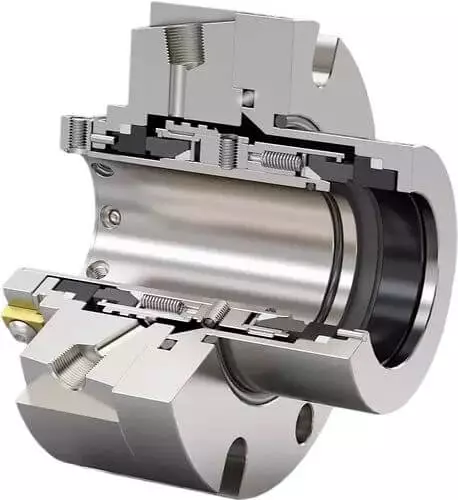
Do you know how a double mechanical seal works? It uses two sets of seal faces working together to provide two layers of protection.The inner seal directly contacts the process fluid, while the outer seal acts as a second protective barrier.
The space between the two seals is filled with barrier fluid, which continuously lubricates and cools the sealing faces.The inner seal blocks the process fluid, while the outer seal provides backup protection.
| Comparison Item | Arrangement 2 | Arrangement 3 |
|---|---|---|
| Area Between the Two Seals | Buffer Zone | Barrier Zone |
| Intermediate Fluid Pressure | Lower than the seal chamber pressure | Higher than the seal chamber pressure |
| Common Medium | Buffer liquid or buffer gas | Barrier liquid or barrier gas |
| Normal Leakage Direction of the Inboard Seal | Process fluid may enter the buffer zone | Barrier medium tends to leak toward the process side |
| Primary Purpose | Collect, control, and monitor leakage from the inboard seal | Prevent process fluid from leaking directly to the atmosphere |
| Common Liquid Support System | API Plan 52 | API Plan 53A, 53B, 53C, or Plan 54 |
| Common Gas Support System | API Plan 72 | API Plan 74 |
| Typical Monitoring Focus | Buffer contamination, liquid level, temperature, and changes in leakage | Barrier pressure, consumption, temperature, and pressure loss |
You should know that there are three classic double mechanical seal configurations in the industry, each designed for different operating conditions.
In a back-to-back design, the seal faces of the two mechanical seals face in opposite directions.The space between the seals is usually filled with pressurized barrier fluid. During operation, its pressure is normally higher than the process fluid pressure.
Main features of back-to-back double seals:
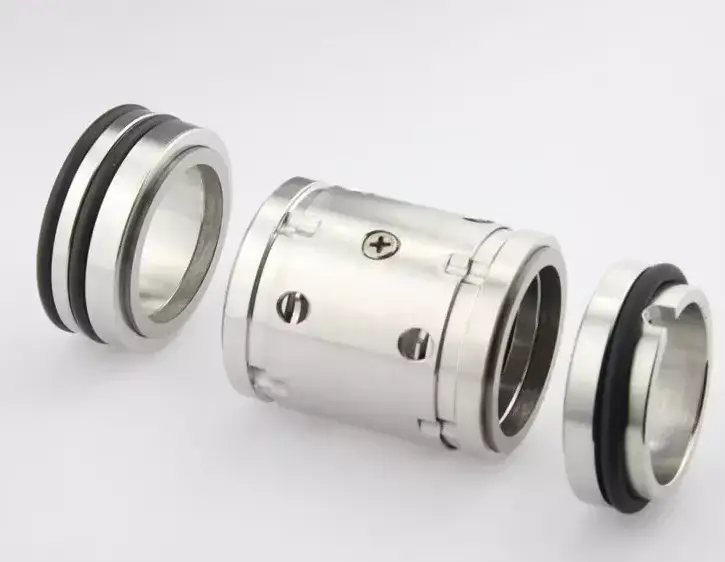
In a face-to-face design, the two seals are arranged facing each other, with a seal chamber between them to hold barrier fluid.The barrier fluid pressure is higher than the process fluid pressure, helping control the direction of leakage.
Face-to-face seals have a compact design and require less installation space. They are commonly used in low- to medium-pressure equipment.
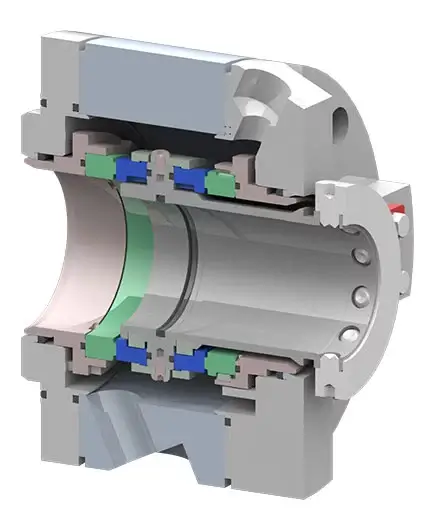
In a tandem design, two mechanical seals are arranged one behind the other along the shaft.The inner seal directly faces the process fluid, while the outer seal provides an additional layer of sealing protection.
The two seals share the pressure load. This design is commonly used for toxic, hazardous, or other fluids that require strict leakage control.
I want to emphasize that none of these three designs is always better than the others.You should choose the right design based on the fluid properties and pressure conditions.The right choice helps the seal operate reliably for a long time and keeps your equipment protected.
You may easily confuse barrier fluid with buffer fluid. Both are used between double seals for cooling and lubrication, but they serve different purposes.The key difference is simple: their pressure relationship with the process fluid is different.Here is a clear comparison for reference:
| Comparison | Barrier Fluid | Buffer Fluid |
|---|---|---|
| System | Pressurized double seal | Unpressurized double seal |
| Fluid Pressure | Higher than seal chamber pressure | Lower than seal chamber pressure |
| Leakage Direction | Barrier fluid tends to flow toward the process side | Process fluid may enter the buffer fluid side |
| Main Purpose | Prevent process fluid from leaking out | Collect and control inner seal leakage |
| API 682 | Arrangement 3 | Arrangement 2 |
In short, buffer fluid mainly collects leakage, while barrier fluid mainly prevents leakage from escaping.You should understand this difference before choosing the right fluid system for a double mechanical seal.
You should know that a double mechanical seal cannot rely on two seal faces alone for stable long-term operation.It also needs a proper flush or seal support system to create stable working conditions for the seals.Without this system, the seal faces can easily overheat and wear.
The support system supplies buffer or barrier fluid to continuously lubricate and cool the seal faces.The fluid also carries away heat caused by friction during operation.It can flush small particles from the sealing area and help prevent scratches on the seal faces.If the inner seal starts to leak, the system can also help monitor and safely control the leaked fluid.
Do you know when you should use a double mechanical seal?You should know that not every piece of equipment needs one.A double seal is more suitable when the fluid is hazardous, leakage control is strict, or a single seal cannot run reliably.
If these fluids leak, they can cause safety risks and environmental pollution.A double mechanical seal provides two sealing barriers to help prevent direct leakage and improve safety and environmental protection.
These fluids can easily damage seal faces, and a single seal may leak directly once it fails.A double seal with a support system helps protect the seal faces, reduce sudden leakage risk, and extend seal life.
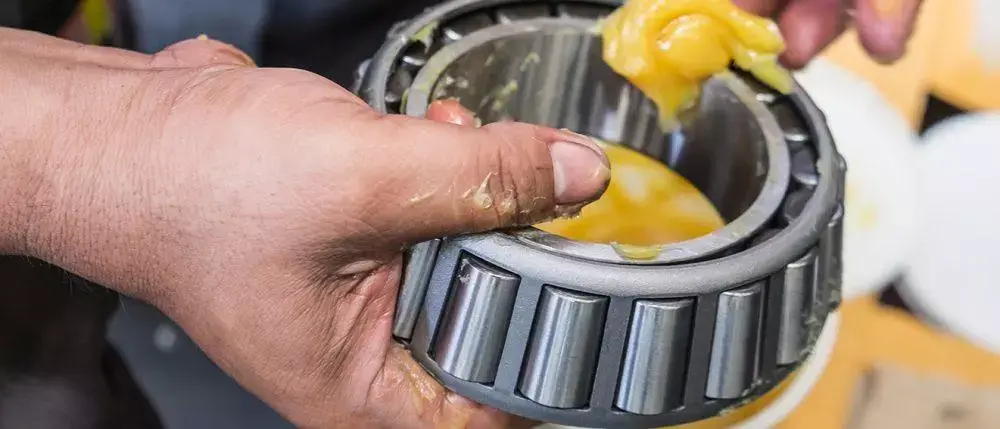
These applications require strong control of product loss, cleanliness, or outside contamination.A double mechanical seal helps keep air and dirt out while preventing valuable product from leaking, protecting both quality and material value.
Extreme conditions can speed up seal wear and failure.A double seal provides backup protection and helps reduce the impact of pressure or temperature changes.If the first seal fails, the second seal can provide extra protection and more time to respond before a shutdown is required.
Do you know the advantages and limitations of a double mechanical seal?Compared with a single mechanical seal, a double seal offers clear benefits and is better suited for demanding operating conditions.Here are the main advantages of double mechanical seals:
However, double mechanical seals also have limitations and are not suitable for every application.The main limitations include:
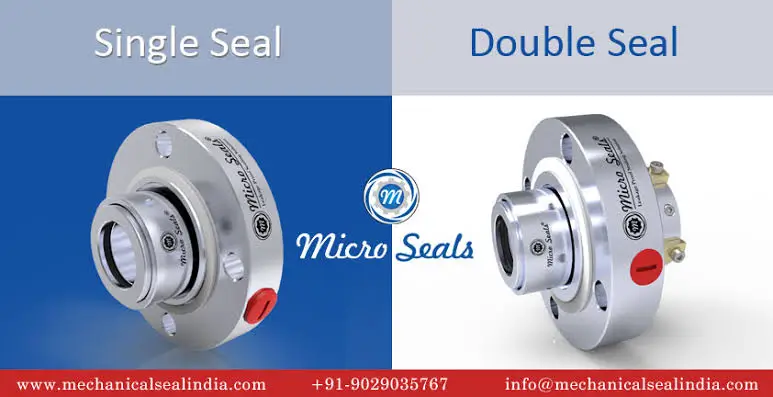
You may be unsure whether to choose a single or double mechanical seal.The main difference is their level of protection and ability to handle seal failure.Here is a simple comparison for reference:
| Comparison | Single Mechanical Seal | Double Mechanical Seal |
|---|---|---|
| Seal Structure | One set of seal faces | Two sets of seal faces |
| Sealing Barriers | One | Two |
| Leakage Control | Standard | More strict |
| Suitable Fluids | Clean, low-risk fluids | Toxic, flammable, hazardous, or difficult fluids |
| Support Fluid | Usually no intermediate fluid needed | Usually needs buffer or barrier fluid |
| Cooling & Lubrication | Mainly from process fluid or flush system | Continuous cooling and lubrication from intermediate fluid |
| Safety Level | High | Higher |
| System Complexity | Simple | More complex |
| Installation Space | Smaller | Usually larger |
| Initial Cost | Lower | Higher |
| Maintenance Needs | Lower | Higher |
| Typical Applications | Water, oil, and common industrial fluids | Chemical, petrochemical, pharmaceutical, and hazardous fluids |
I want to remind you that a single seal is enough for normal applications.For high-risk applications with strict safety requirements, a double seal should be used to provide better protection.
You should not choose a double mechanical seal blindly. Consider your operating conditions step by step to find a reliable and suitable solution.You can select a double mechanical seal by following these steps:
Step 1: Confirm the fluid properties.
Step 2: Confirm the operating pressure and temperature.
Step 3: Decide between Arrangement 2 and Arrangement 3.
Step 4: Choose the right seal materials.
Step 5: Select the correct Seal Support System.
Step 6: Check the equipment installation conditions.
You should also consider installation space, budget, and future maintenance needs.Double mechanical seals are more complex, so you need enough installation space and a clear long-term maintenance plan.
Strictly speaking, a double mechanical seal should not be considered completely leak-free.Mechanical seal faces need a very thin lubricating film, so a small and controlled amount of leakage may occur during normal operation.
No.A double mechanical seal can use either pressurized barrier fluid or unpressurized buffer fluid, depending on the seal arrangement and operating conditions.
The right support fluid depends on fluid risk, allowed leakage, process pressure, and whether support fluid can enter the process.
A Double Mechanical Seal uses two mechanical seals, one inner and one outer. Under API 682, it can be Arrangement 2 or Arrangement 3.A Tandem Seal has two seals arranged one behind the other along the shaft.The inner seal usually provides the main sealing, while the outer seal adds a second layer of protection.
If you are still unsure which double mechanical seal to choose, do not order based only on shaft size or equipment model.The seal must match your actual operating conditions to avoid overheating, wear, leakage, or a short service life.
You can also provide the following information to us.We will give you professional advice and help you select a suitable double mechanical seal.
—— We Will Provide You With Professional OEM Solutions.
Whether you require pump bearings, pump valves, mechanical seals, or other custom-engineered components, we support production based on your drawings as well as rapid prototyping.
Please complete the form on the right and upload your technical drawings or specifications. Our engineering team will review your requirements within 24 hours and provide a detailed quotation, application recommendations, and delivery schedule.
Copyright © 2025 Sakowit, Todos los derechos reservados.
 Spanish
  English
  Portuguese
  Russian
  Arabic