
Check Valve Manufacturer In China
Suitable for water treatment, pump systems, HVAC, irrigation, oil and gas, and industrial piping systems.
- Prevents backflow of media
- Reduces water hammer impacts
- Minimizes the risk of equipment damage
- Available in a variety of materials and connection types
Sakowitz—— Your Professional Customized Check Valves Manufacturer
Sakowitz is a professional check valve manufacturer in China. Our team specializes in providing customized check valve solutions for water treatment, HVAC, pump systems, irrigation, oil and gas, and industrial piping.
From material selection, pressure ratings, and connection types to brand customization, Sakowitz offers tailored OEM/ODM services tailored to your specific operating conditions. Every check valve undergoes rigorous quality testing to ensure effective prevention of backflow, reduce the risk of equipment damage, and provide long-term, reliable protection for your system.
Selecting the Right Check Valve Types
The primary function of a check valve is to prevent backflow of the medium, ensuring the safe operation of pumps, piping, and equipment. Depending on the type of medium, pressure rating, installation method, and application scenario, check valves with different designs can deliver optimal performance. Sakowitz offers a wide range of check valve solutions to meet the diverse needs of industrial, commercial, and engineering projects.
Swing Check Valve
Spring Loaded Check Valve
Wafer Check Valve
Dual Plate Check Valve
Lift Check Valve
Ball Check Valve
Foot Valve
Why Check Valves Are Important?
Valves are critical components that ensure the safe operation of the entire system.
Many equipment failures, pipeline damages, and increased maintenance costs are not caused by the pumps, compressors, or pipelines themselves, but rather by backflow of the medium. Although check valves have a simple design, they play a vital protective role in fluid systems. Proper use of check valves can effectively reduce equipment failure rates, minimize downtime, and extend the overall service life of the system.
- Prevent backflow of fluids
- Protect pumps and critical equipment
- Reduce water hammer
- Maintain stable system pressure
- Lower maintenance and operating costs
- Improve system safety
Why Choose Sakowitz Valves?
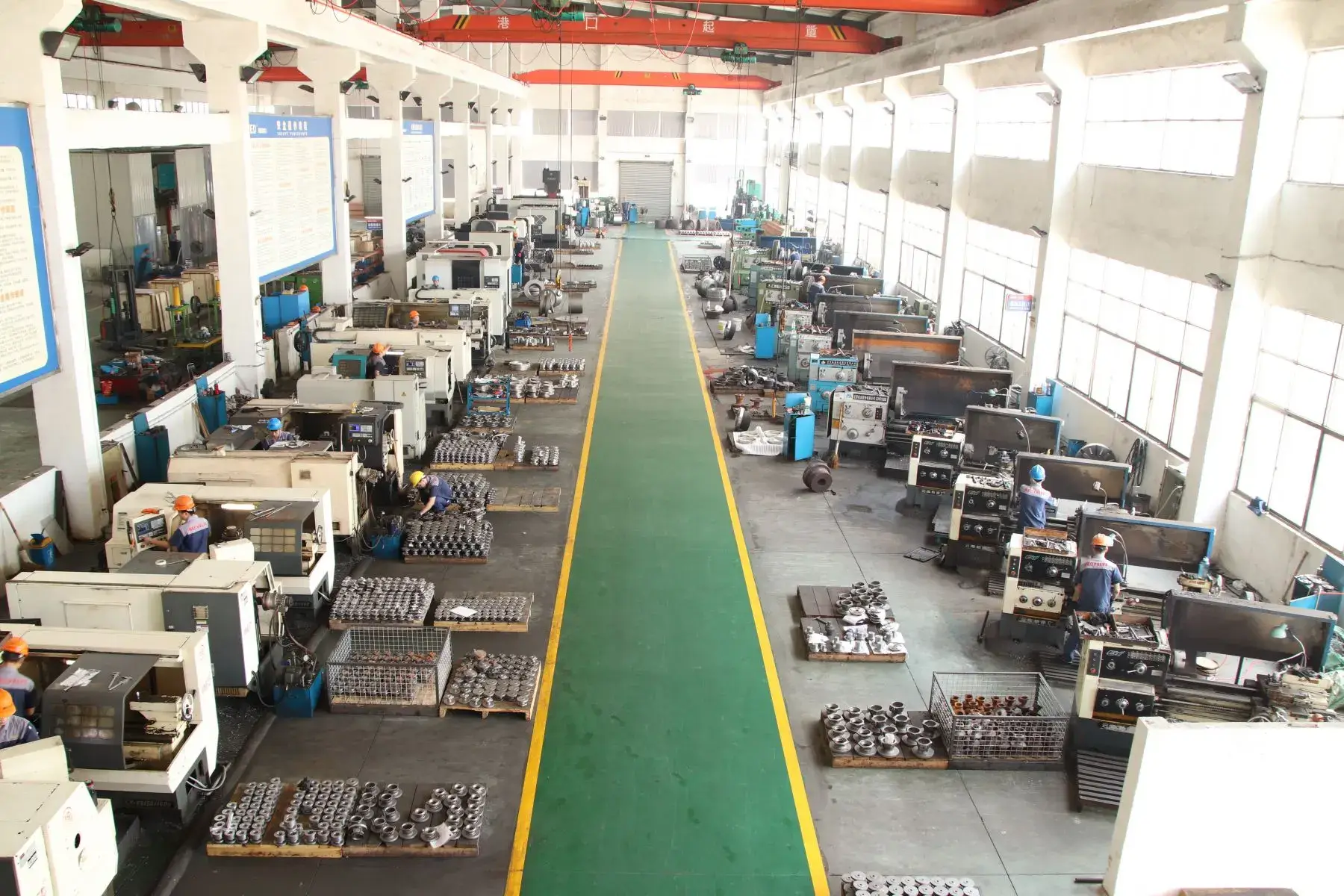
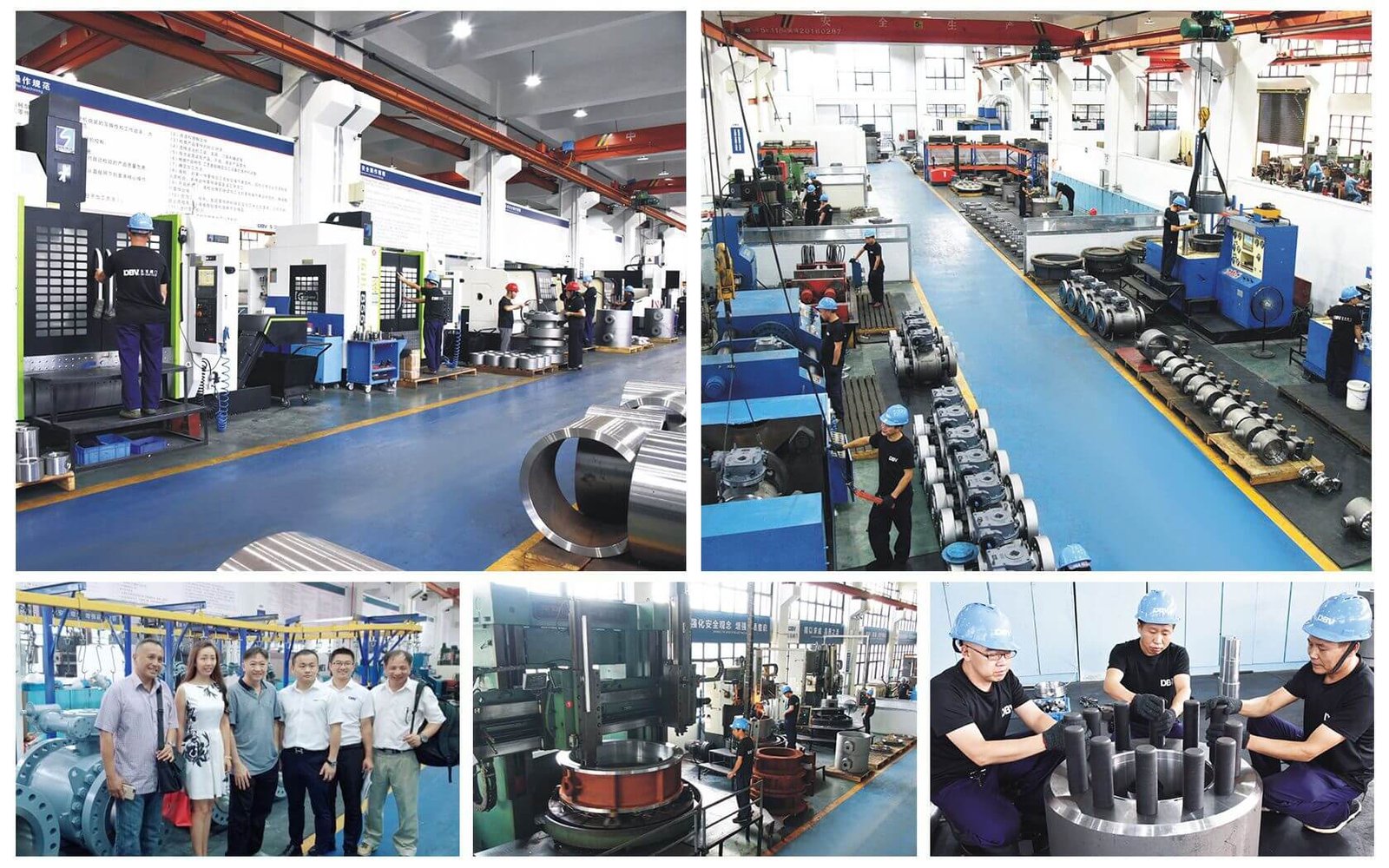
As a professional check valve manufacturer in China, Sakowitz is committed to providing high-quality check valve solutions to distributors, OEM equipment manufacturers, and engineering project clients worldwide. We do more than just manufacture products; through our comprehensive manufacturing system, rigorous quality control, and reliable delivery capabilities, we help you minimize procurement risks.
- Specializing in the R&D and manufacturing of check valves
- We offer OEM and ODM services.
- We meet long-term bulk purchase needs.
- We provide professional product selection and application advice.
- We deliver reliable check valve solutions to customers across multiple industries.
Tratamiento del agua
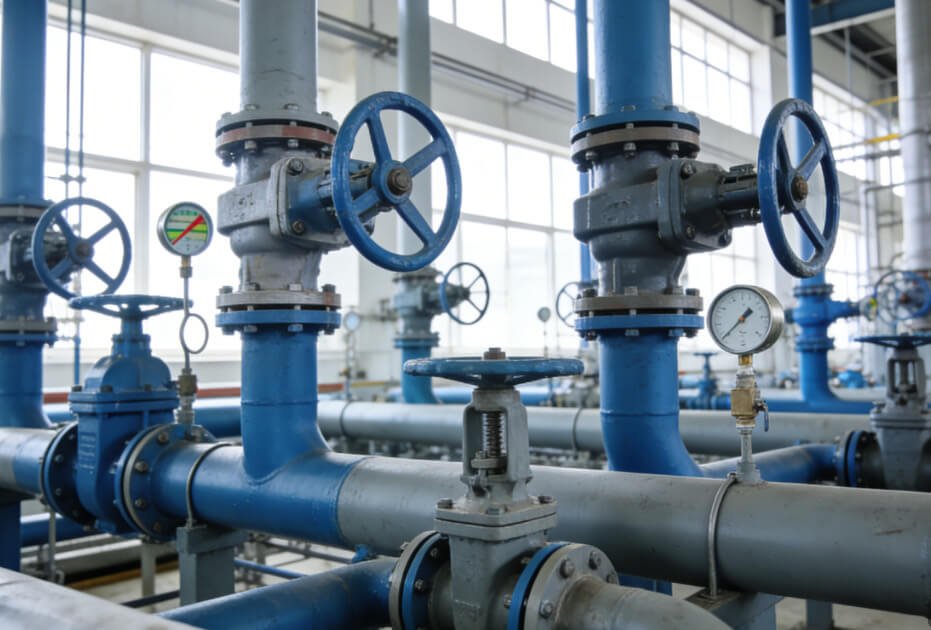
Sakowitz check valves are widely used in water treatment plants, wastewater treatment plants, desalination facilities, and industrial recirculating water systems. They effectively prevent backflow of fluids, protect pumps and piping equipment, and reduce maintenance costs associated with backflow, corrosion, and leaks.
Pump Systems
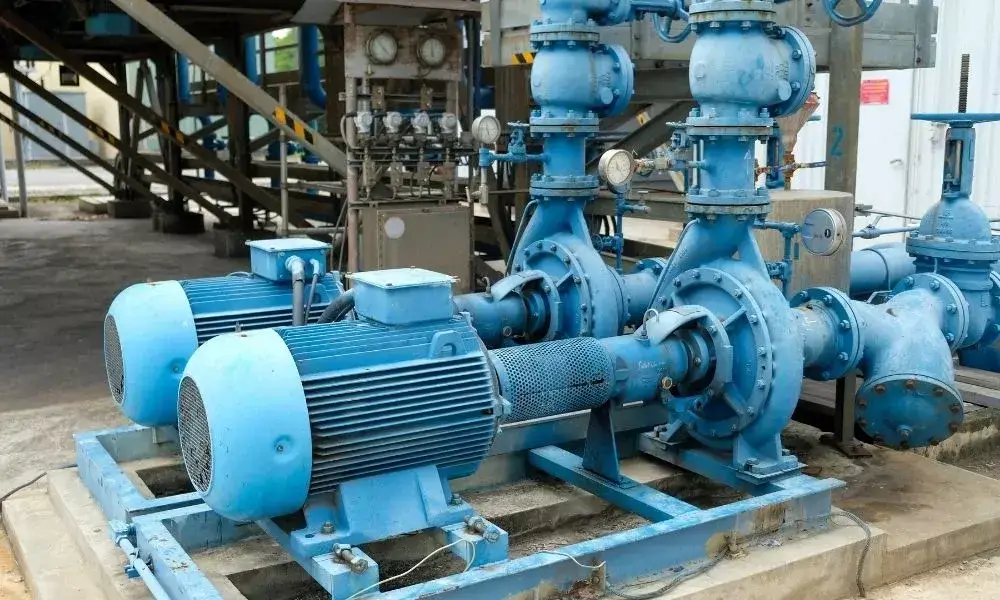
In centrifugal pumps, booster pumps, deep well pumps, and industrial pump stations, check valves prevent backflow of fluid after the pump stops. This prevents pump reversal, impeller damage, and startup difficulties, thereby enhancing the operational stability of the pump system.
HVAC Systems
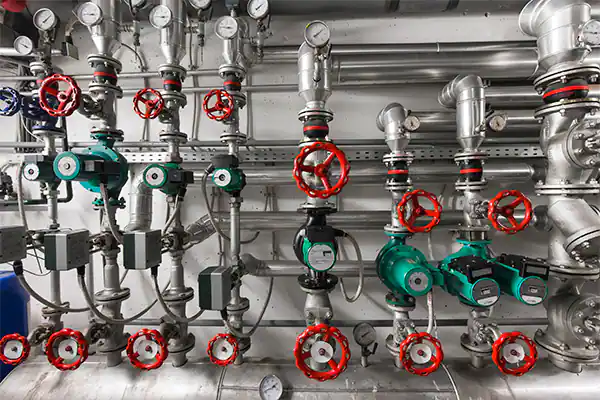
In central air conditioning, chilled water, cooling tower, and hot water circulation systems, Sakowitz check valves prevent the backflow of hot and cold water. They reduce water hammer, pipe vibration, and operational noise, making them ideal for commercial buildings and industrial equipment systems with limited installation space.
Agricultural Irrigation Systems
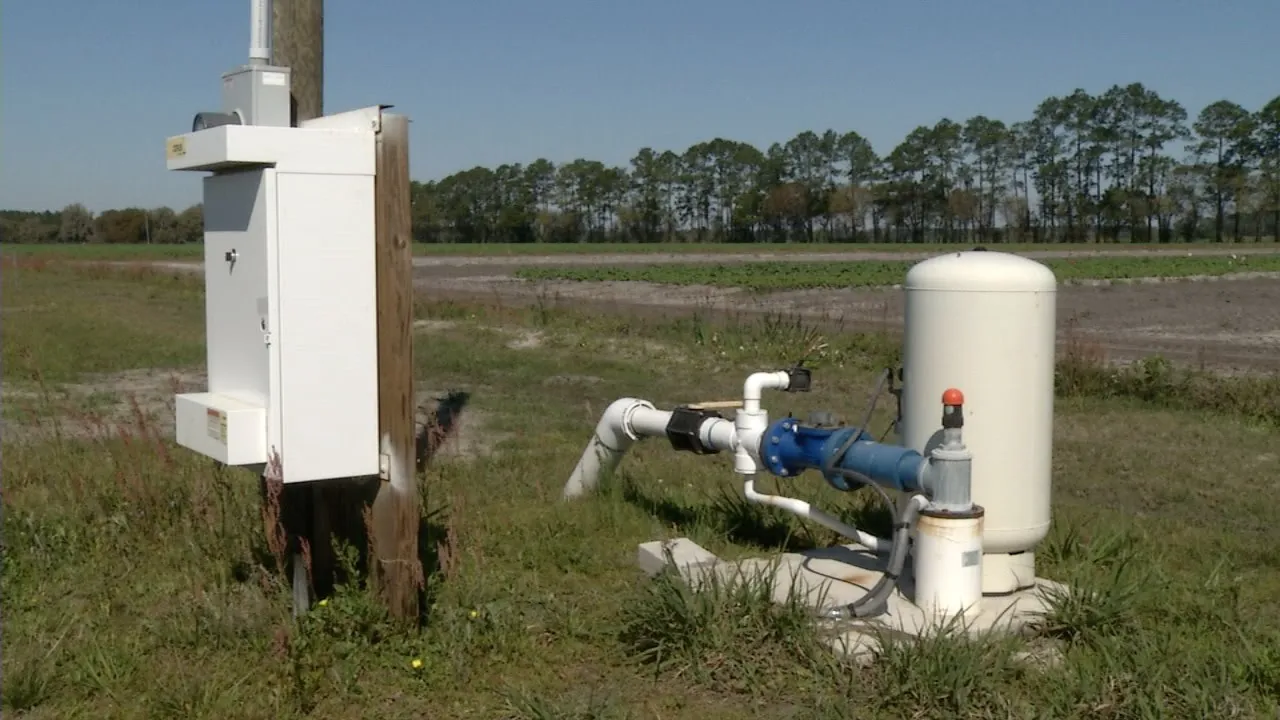
Sakowitz check valves are suitable for drip irrigation, sprinkler irrigation, groundwater extraction, and agricultural irrigation systems. They maintain pipeline pressure, prevent backflow, help pumps start up faster, improve irrigation efficiency, and reduce energy waste.
Oil and Gas Industry
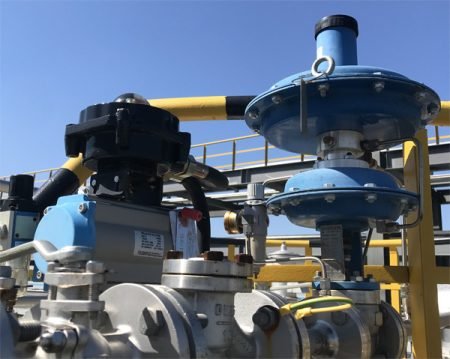
In oil and gas pipelines, storage tank systems, and refining equipment, check valves prevent the backflow of high-pressure media. They reduce the risk of leaks, equipment damage, and safety incidents, and are suitable for industrial applications that demand high levels of sealing performance and reliability.
Get An Instant Quote Now
What is the difference between a check valve and a non-return valve?
There is essentially no difference between a “Check Valve” and a “Non-Return Valve (NRV)”; they refer to the same type of valve.
The main difference lies in naming conventions:
- “Check Valve” is the most common term in international markets and industrial sectors, and is widely used in the United States, Canada, and in global industrial standards and technical documents.
- “Non-Return Valve” (NRV) is more commonly found in engineering projects and technical documentation in the United Kingdom, Australia, the Middle East, and certain Asian countries.
Which type of check valve is best for water systems?
For most water supply systems, swing check valves are the most common choice. They offer low flow resistance and high flow capacity, making them suitable for municipal water supply, water treatment, and industrial water supply systems.
If the system is prone to water hammer or involves frequent pump start-up and shutdown, spring check valves are recommended, as they close more quickly and provide better protection for equipment.
If installation space is limited, a wafer check valve is recommended due to its compact design and ease of installation.
Can a check valve be installed vertically?
Some check valves can be installed vertically, but not all types are suitable for vertical installation.
Generally speaking, spring-loaded check valves are best suited for vertical installation. Because they rely on spring force to assist in closing, they are not affected by gravity and maintain good sealing performance regardless of whether they are installed horizontally or vertically.
Swing check valves, on the other hand, are better suited for horizontal installation. If installed vertically in a way that does not meet design requirements, the valve disc may fail to open or close properly, thereby compromising the check function.
Can a check valve prevent water hammer?
Check valves can help reduce water hammer, but they cannot completely eliminate it.
When a pump suddenly stops or the flow direction of the fluid changes rapidly, an instantaneous pressure surge occurs—this is known as water hammer. A properly selected check valve can close quickly to minimize backflow, thereby reducing the impact of water hammer on pipes and equipment.
If your system frequently experiences water hammer issues, we recommend prioritizing spring-loaded check valves or silent check valves.
Can check valves be used for high-pressure applications?
Yes, check valves are widely used in high-pressure systems, but it is essential to select a product suitable for the specific pressure rating.
In the oil and gas, chemical, power, boiler, and high-pressure pump industries, check valves effectively prevent backflow of media, ensuring the safe operation of equipment and piping systems.
For high-pressure applications, we recommend using lift check valves, dual-plate check valves, or specially designed high-pressure check valves. These products offer higher pressure-bearing capacity and more reliable sealing performance.
What is a check valve?
A check valve is a type of automatic control valve. Its function is to allow liquids, gases, or steam to flow in only one direction and automatically prevent the medium from flowing in the opposite direction. For this reason, it is also known as a one-way valve or non-return valve.
Unlike ball valves, gate valves, and other valves that require manual operation, check valves open and close automatically using the flow pressure of the medium itself. When the medium flows in the forward direction, the valve opens automatically; when the flow stops or reverses, the valve closes automatically, thereby preventing backflow from causing damage to equipment and systems.
Check valves are widely used in water treatment, pump systems, HVAC, irrigation, chemical processing, oil and gas, and industrial piping systems. They are primarily used to protect pumps, compressors, storage tanks, and piping equipment, reduce water hammer, and maintain stable system pressure.
What is the primary function of a check valve?
The primary function of a check valve is to prevent backflow of the medium, ensuring the safe operation of equipment and piping systems.
During fluid conveyance, when a pump stops, system pressure fluctuates, or the flow direction changes, liquids, gases, or steam may flow backward through the piping. Check valves automatically close to prevent backflow, thereby avoiding equipment damage and system failures.
- Preventing Backflow
- Prevents issues such as pump reversal, impeller damage, and motor overload caused by liquid backflow, thereby extending equipment service life.
- Quick-closing check valves reduce pressure surges caused by backflow, minimizing pipeline vibration, noise, and the risk of leaks.
- Prevents pressure loss caused by backflow, helping water supply, irrigation, and industrial systems maintain normal operation.
- Reduces equipment failures, downtime for maintenance, and the frequency of component replacements, thereby lowering overall system operating costs.
What are the key technical specifications of a check valve?
These specifications directly impact the check valve’s service life, sealing performance, safety, and compatibility with the system.
| Parámetro | Descripción |
|---|---|
| Valve Type | Swing Check Valve, Spring Check Valve, Wafer Check Valve, Ball Check Valve, Dual Plate Check Valve |
| Size | DN15–DN600 or 1/2″–24″ |
| Presión nominal | PN10, PN16, PN25, PN40, Class 150, Class 300 |
| Body Material | Stainless Steel, Brass, Cast Iron, Ductile Iron, PVC |
| Disc Material | Stainless Steel, Brass, Ductile Iron, PVC |
| Seal Material | NBR, EPDM, PTFE, Viton |
| Connection Type | Threaded, Flanged, Wafer, Socket Weld |
| Flow Direction | One-way flow |
| Temperatura de funcionamiento | Depends on material and seal type |
| Working Medium | Water, Oil, Gas, Steam, Chemical Fluids |
| Installation Position | Horizontal or Vertical, depending on valve type |
| Normas aplicables | ANSI, DIN, JIS, BS, API |
| Testing Standard | Pressure Test, Leakage Test, Shell Test, Seat Test |
What Should You Consider When Selecting a Check Valve?
When selecting a check valve, focus on the following key points:
- Medium: Is the medium being transported water, oil, gas, or a chemical liquid?
- Presión: What is the system’s operating pressure?
- Size: What is the pipe size?
- Connection type: Threaded, flanged, or wafer-type?
- Installation orientation: ¿Horizontal o vertical?
- Valve type: Swing, spring-loaded, wafer-type, or ball?
- Material: Brass, stainless steel, cast iron, or PVC?
 Spanish
  English
  Portuguese
  Russian
  Arabic