
Selecting the right check valve for an irrigation pump helps prevent backflow, maintain water supply, reduce pressure loss, and protect the pump from unnecessary damage. A missing, leaking, incorrectly installed, or poorly selected irrigation pump check valve may cause difficult restarts, unstable pressure, poor nozzle performance, water hammer, or frequent cycling.
When selecting the appropriate irrigation pump check valve, it’s not merely about matching pipeline dimensions.This guide explains irrigation pump check valve principles, installation, type and size selection, differences from foot valves and backflow preventers, and troubleshooting for backflow, pressure loss, leaks, water hammer, and priming failure.
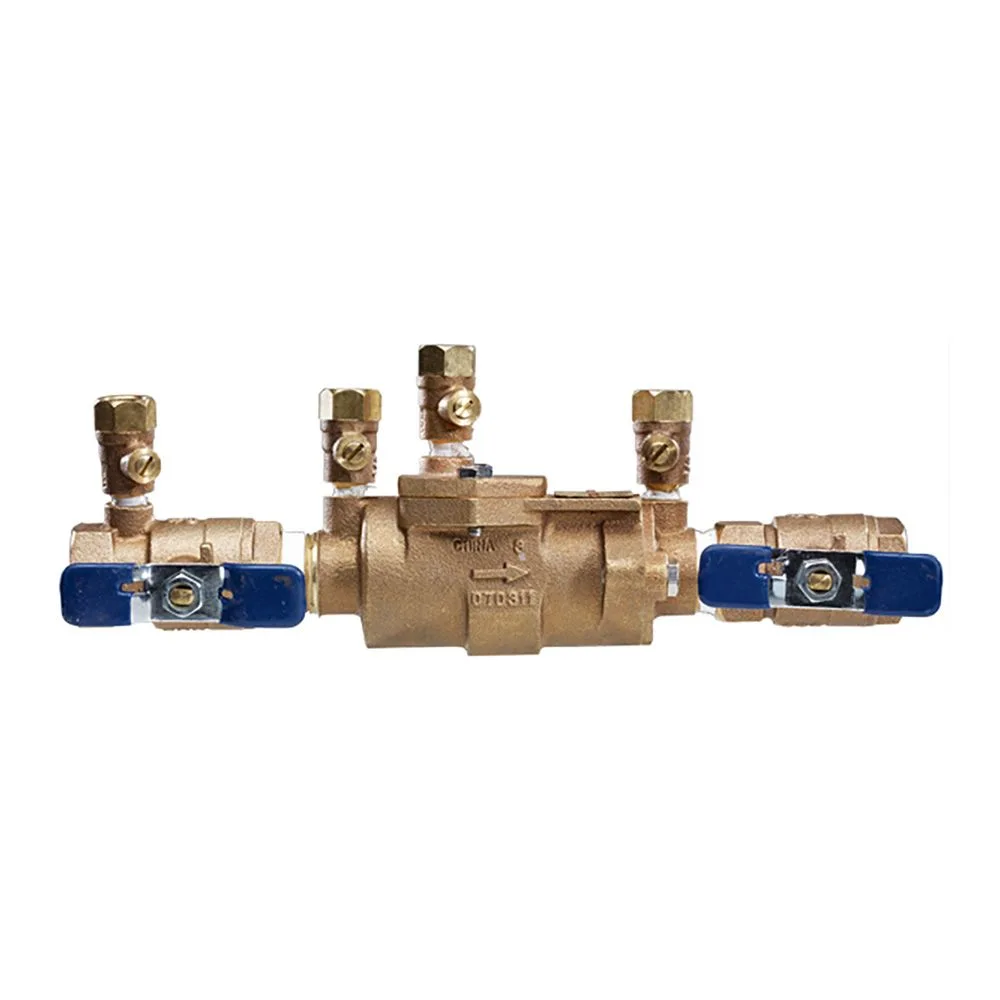
Have you truly understood the irrigation pump check valve? Simply put, it is a one-way valve that allows water to flow in the forward direction and automatically closes when the pump stops or when flow reverses. It prevents backflow, ensures continuous irrigation, reduces pressure loss, and protects both the pump and irrigation pipelines. Depending on system design, it can be installed on the suction pipe, discharge pipe, main pipeline, or used as a bottom valve at the water source.
How does an irrigation pump check valve work? Generally, it operates automatically in response to water pressure and flow direction. When the pump generates positive pressure, the valve opens, allowing water to flow through the suction line, discharge line, or irrigation pipeline. When the pump stops or water flows in reverse, the valve closes to prevent backflow into the pump or pipelines.
When the irrigation pump is activated, positive pressure pushes the internal valve disc, ball, valve core, or spring-loaded assembly away from the valve seat. This opens the flow passage, allowing water to enter the irrigation system. Depending on the system design, water may flow through the suction line, discharge pipe, sprinkler system, drip irrigation line, or agricultural main pipeline.
During normal irrigation, strong forward flow keeps the check valve open, allowing water to continuously reach sprinklers, drip tapes, greenhouses, orchards, or farmland. A properly functioning irrigation pump check valve should stay fully open during normal flow; excessive or insufficient flow rates can impair its operation.
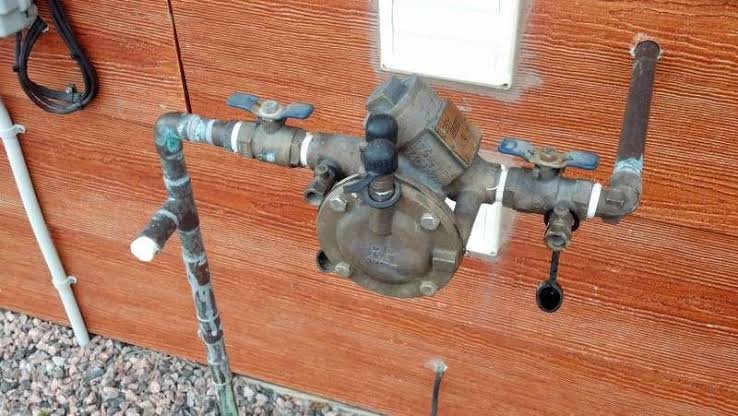
When the irrigation pump stops, forward pressure drops, and pipeline water may flow back due to gravity, elevation difference, residual pressure, or pipeline layout.As internal components such as valve discs, balls, valve cores, or spring-loaded mechanisms return to their seats, the check valve closes automatically. This closure prevents reverse flow through the pump or suction pipe, thereby reducing unnecessary stress effects.
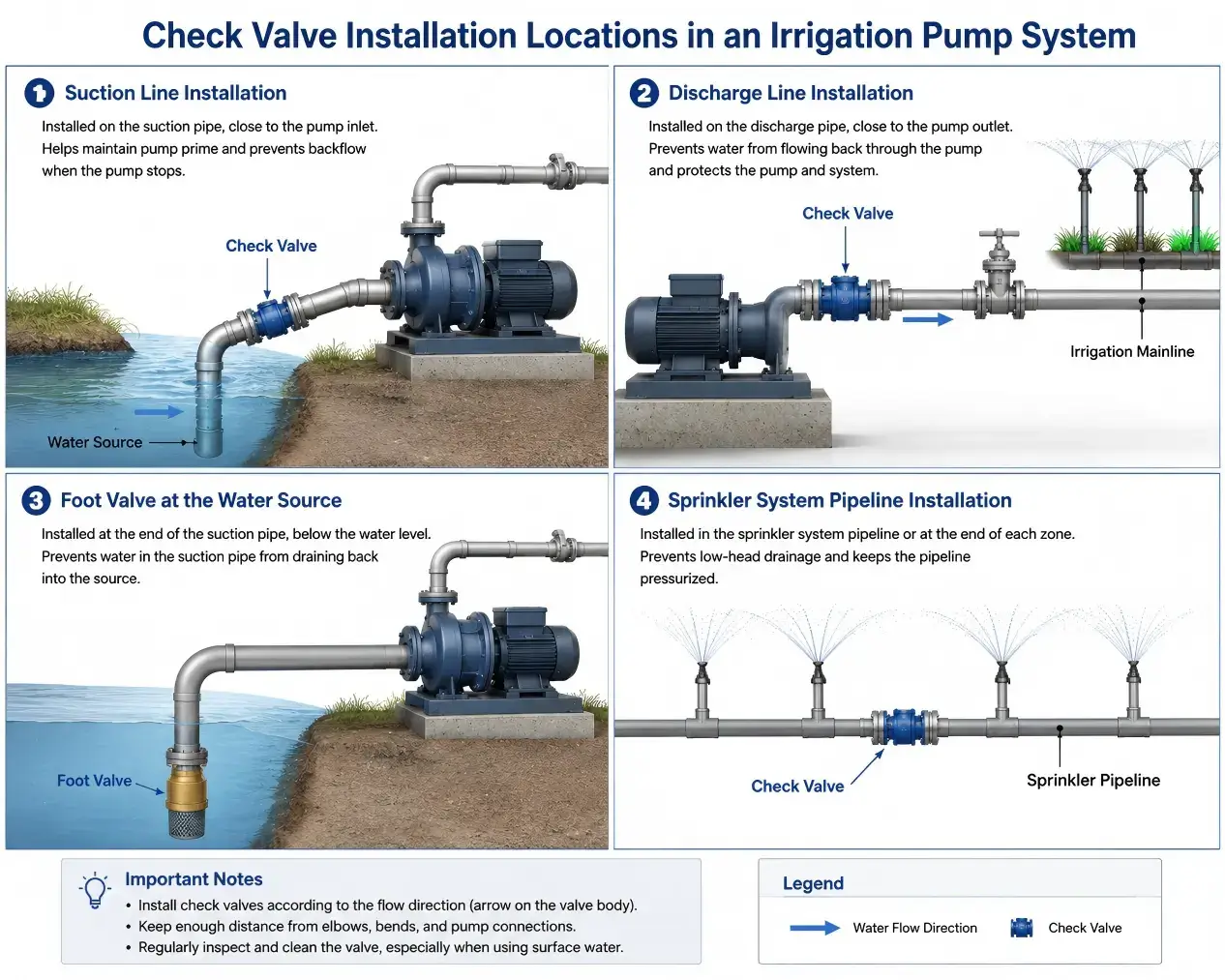
Where should you install an irrigation pump check valve? It can be installed on the suction line, discharge pipeline, as a bottom valve at the water source, or within the sprinkler system piping. The optimal installation location depends on the pump type, water source, pipeline layout, and specific operational requirements.
The check valve for the suction line is installed between the water source and the inlet of the irrigation pump. Its primary function is to prevent water flow in the suction line from backflowing to the water source when the pump stops. When installing a suction-line check valve, follow the correct flow direction and seal all suction-line connections to prevent air leakage. If air enters the suction line, even if the check valve operates correctly, the pump may still fail to deliver adequate irrigation.
The discharge check valve is installed after the irrigation pump outlet. When the pump stops, it prevents pressurized water in the discharge pipeline from flowing back into the pump. This configuration is commonly used in sprinkler pumps, booster pumps, long-distance irrigation pipelines, and agricultural pumping systems. For installations on the discharge side, the valve should be selected based on actual flow rate, operating pressure, pipeline dimensions, and system layout. Both excessively large or small valves can cause pressure drops, compromising performance.
The bottom valve is installed at the end of the suction pipe, located inside the water source. It functions as a check valve equipped with a filter, preventing debris from entering the suction pipe while blocking backflow.For irrigation pumps drawing from ponds, lakes, wells, tanks, reservoirs, or canals, keep the foot valve fully submerged and off the bottom to prevent filter clogging.
Check valves can also be installed in sprinkler piping to prevent backflow after pump shutdown, especially in sloped systems or areas with continuously draining low-position nozzles.When installing valves in sprinkler pipelines, carefully select them to avoid excessive pressure drops. Installation points should be determined based on pipeline layout, elevation variations, flow rates, and the positioning of low-position nozzles.
Both the check valve and bottom valve in irrigation pumps prevent backflow within the system, but they are installed at different locations. The table below details their differences:
| Item | Check Valve | Foot Valve |
|---|---|---|
| Chinese Name | Check Valve / One-Way Valve | Bottom Valve / Base Valve |
| Basic Definition | A one-way valve designed to prevent reverse water flow. | A special type of check valve equipped with a filter screen. |
| Installation Site | Suction line, discharge line, or main pipeline. | At the end of the suction pipe inside the water source. |
| Does It Include a Filter? | Usually not included. | Usually supplied with a strainer or filter screen. |
| Main Functions | Prevents reverse flow in the piping system. | Prevents suction-line drain-back and filters debris from the water source. |
| Applicable Location | Before the pump, after the pump, or in the main pipeline. | At the water intake point inside the water source. |
| Main Problems Addressed | Backflow, pressure loss, pump reversal, and water hammer. | Loss of pump priming, an empty suction pipe, and debris entering the pumping system. |
| Typical Applications | Sprinkler pumps, booster pumps, and discharge pipelines. | Water intake from ponds, lakes, wells, tanks, and reservoirs. |
| Maintenance Priorities | Inspect the valve seat, seals, installation direction, and internal moving components. | Clean the filter screen and inspect it for blockages, damage, and seal wear. |
| Suitable for the Outlet End? | Suitable | Not Recommended |
| Suitable for the Water Intake? | Suitable — but a foot valve is usually preferred. | Highly Suitable |
or ponds, lakes, wells, tanks, or reservoirs, use a foot valve at the water source; use a standard check valve to stop discharge-line backflow.
Both the check valve and anti-backflow device in irrigation pumps are related to backflow prevention, but they are not the same component. In irrigation pump systems, check valves prevent backflow through pumps or pipelines, while backflow preventers protect drinking or municipal water supplies from contamination.The key distinction between the two lies in their functions:
| Comparison Point | Check Valve | Backflow Preventer |
|---|---|---|
| Chinese Name | Check Valve / One-Way Valve | Anti-Backflow Device |
| Core Objective | Prevent water from flowing backward in pumps or pipelines. | Prevent contaminated water from flowing back into drinking-water sources or municipal water systems. |
| Protection Object | Pumps, pipelines, and irrigation systems. | Potable-water supplies and municipal water systems. |
| Structural Complexity | Usually relatively simple. | Usually more complex and may contain multiple internal components. |
| Common Structures | Disc, ball, poppet, spring-loaded, and swing-disc designs. | PVB, DCVA, RPZ, AVB, and other approved assemblies. |
| Installation Site | Suction lines, discharge lines, pump outlets, and general pipelines. | Typically installed at the connection between an irrigation system and the water-supply system. |
| Used for Pump Protection? |
Yes Commonly used to prevent reverse flow and protect pumps. |
Not the Main Purpose Its primary role is protecting the water supply from contamination. |
| Used for Drinking-Water Protection? |
Not as the Sole Measure A standard check valve alone should not be relied on for potable-water backflow protection. |
Primary Purpose Designed specifically to reduce the risk of contaminated backflow. |
| Can One Replace the Other? |
Generally No A check valve normally cannot replace an approved backflow preventer. |
Generally No A backflow preventer is not automatically a substitute for a dedicated pump check valve. |
| Regulatory Compliance | Generally selected according to system design, pressure, flow, and pump-protection requirements. | Frequently required by local plumbing regulations, water authorities, or municipal codes. |
Therefore, a check valve cannot simply replace a backflow preventer.
It is essential to understand that selecting an appropriate check valve for an irrigation pump involves more than merely matching the valve dimensions to those of the pipeline. Water source, pump type, flow rate, pressure, installation location, valve structure, materials, sealing design, and connection type all significantly affect valve performance.
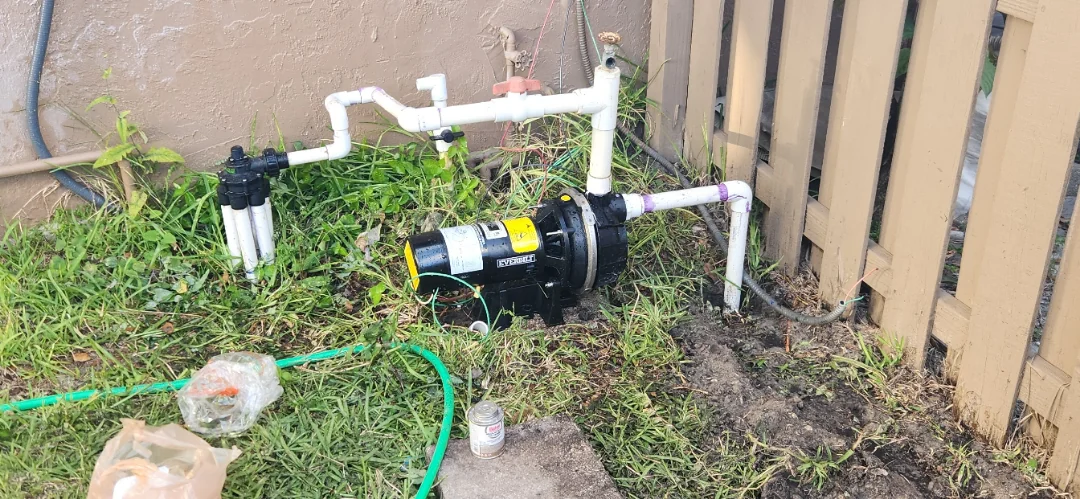
Water source is one of the primary considerations when selecting an irrigation pump check valve. Tank or municipal clean water may need only a standard check valve, while ponds, lakes, canals, reservoirs, or shallow wells may contain sand, leaves, sediment, or particles. In such applications, bottom valves with filters, ball check valves, or valves with larger flow passages are often more suitable.
The type of pump significantly influences both valve selection and installation location. Surface irrigation pumps used for pumping water from ponds, lakes, tanks, or wells typically require a check valve or bottom valve on the suction side to ensure continuous flow.Sprinkler or booster pumps usually need a discharge-side check valve to prevent pressurized water from flowing back through the pump during shutdown.
The selection of a return valve for irrigation pumps should be based on the pump’s actual flow rate, not merely pipeline dimensions. If the valve is too small, it may restrict flow, increase pressure drop, degrade nozzle performance, and elevate pump load. Conversely, if the valve is too large, the flow velocity may be insufficient to maintain full valve opening, leading to vibration or premature wear.
The operating pressure of an irrigation pump check valve must match its rated pressure class. Consider normal operating pressure, maximum pump discharge pressure, back pressure, and pressure surges from pump startup, shutdown, or water hammer. If the check valve’s pressure rating is insufficient, leaks, seal failure, valve body damage, or connection issues may occur.
Irrigation pump check valve issues are usually caused by multiple factors, including leakage, wrong installation direction, incorrect sizing, water impurities, excessive opening pressure, seal wear, or pipeline layout.
| Problema | Common Symptoms | Possible Causes | Troubleshooting Direction |
|---|---|---|---|
| Pump Loses Prime | The pump is difficult to restart after it has been shut down. | Foot valve leakage, air leakage in the suction pipe, or poor sealing of the check valve. | Inspect the foot valve, suction line, pipe connections, and sealing joints. |
| Backflow After Shutdown | Water flows backward after the pump stops operating. | The valve disc does not close completely, the valve seat is worn, or the valve is installed in the wrong direction. | Check the installation direction, valve disc, valve seat, and sealing components. |
| Low Pressure | The nozzle or outlet pressure is insufficient. | The valve is undersized, pressure loss is excessive, or the filter or flow passage is blocked. | Verify the valve size and inspect the flow passage, filter, and pipeline for blockages. |
| Low Flow | The water output or system flow rate has decreased. | The valve does not open fully, or the required opening pressure is too high. | Check the actual flow rate, valve opening condition, and cracking pressure. |
| Valve Leakage | System pressure gradually decreases after the pump stops. | Worn seals, debris around the valve seat, internal corrosion, or damaged sealing surfaces. | Clean the valve seat and sealing surfaces, and replace worn or damaged seals. |
| Water Hammer | An impact sound or pressure shock occurs when the pump stops. | The valve closes too quickly, the pipeline is too long, or the flow velocity is excessively high. | Reassess the valve type, closing characteristics, pipeline layout, and installation position. |
| Noise or Vibration | The valve vibrates or produces abnormal operating noise. | The valve is oversized, the flow velocity is too low, or the valve is installed too close to a pipe bend. | Select the valve according to the actual flow rate and improve its installation position. |
| Clogging | The flow rate decreases, and the pump has difficulty drawing water. | Sediment, leaves, or other debris has blocked the filter screen, internal passage, or valve seat. | Clean the foot valve filter, valve body, valve seat, and connected suction pipe. |
| Valve Stuck Open | The valve cannot close properly or prevent reverse flow. | Debris is lodged inside the valve, the hinge is jammed, or the disc or ball is worn. | Disassemble the valve and inspect its internal moving and sealing components. |
| Valve Stuck Closed | The pump runs but does not deliver water. | The spring is too stiff, the opening pressure is too high, or the valve has been installed backward. | Check the installation direction, spring condition, and required opening pressure. |
Obstruction of contaminated water sources such as ponds, lakes, canals, or reservoirs is another common issue. Regular inspection and proper valve selection help mitigate problems related to blockages, leaks, pressure loss, and pump overload.
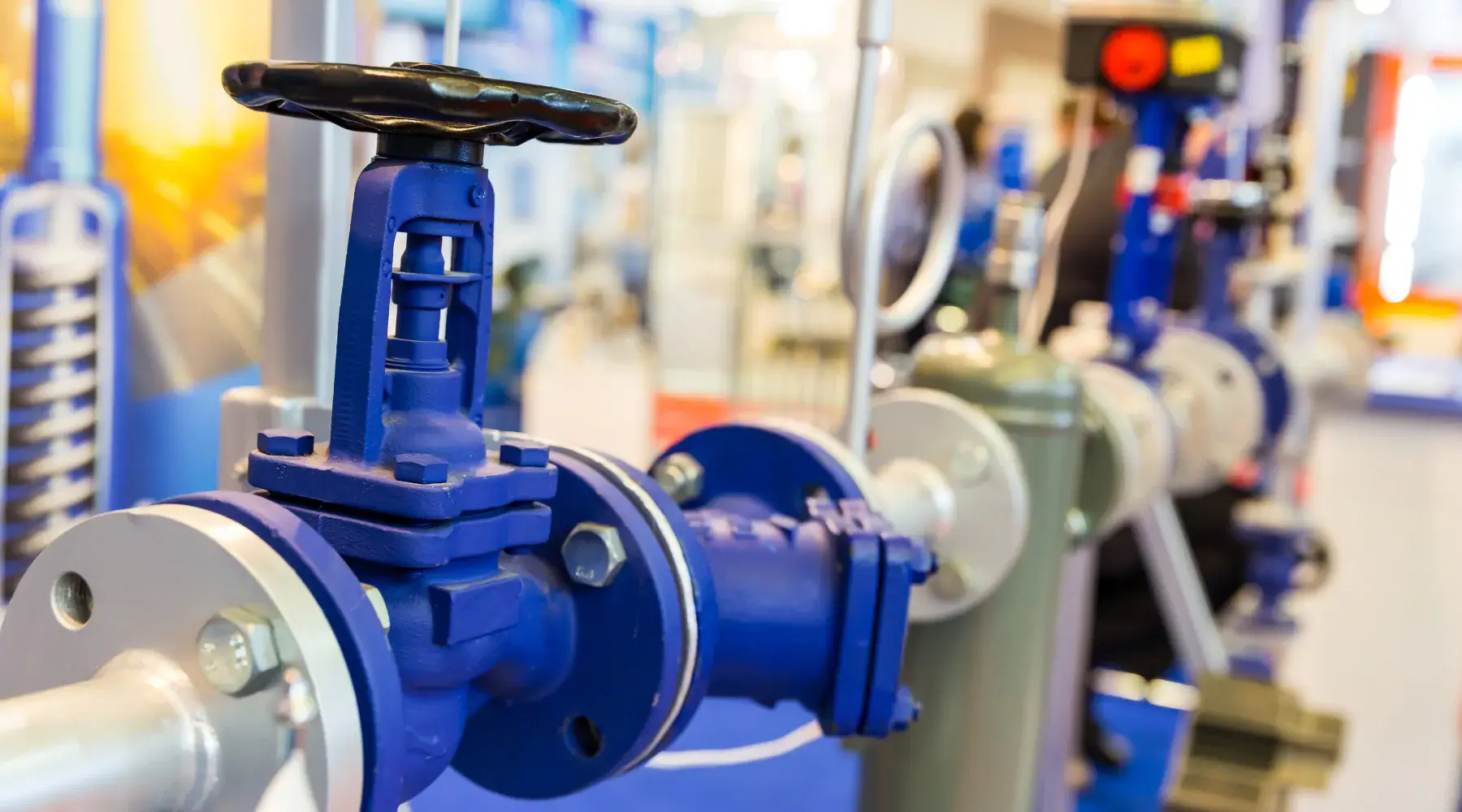
A reliable irrigation pump check valve should open smoothly during normal flow and close tightly after shutdown to prevent backflow, reduce pressure loss, and meet operating requirements. Choosing the wrong valve may cause priming failure, backflow, leakage, low pressure, water hammer, frequent maintenance, and customer complaints.
Please provide us with your irrigation pump type, water source, pipeline dimensions, flow rate, operating pressure, installation location, and any current system issues. We can help you compare suitable check valve options and offer practical solutions for your irrigation system.
—— We Will Provide You With Professional OEM Solutions.
Whether you require pump bearings, pump valves, mechanical seals, or other custom-engineered components, we support production based on your drawings as well as rapid prototyping.
Please complete the form on the right and upload your technical drawings or specifications. Our engineering team will review your requirements within 24 hours and provide a detailed quotation, application recommendations, and delivery schedule.
Copyright © 2025 Sakowit, Todos los derechos reservados.
 Spanish
  English
  Portuguese
  Russian
  Arabic