
What Is A Cartridge Mechanical Seal?
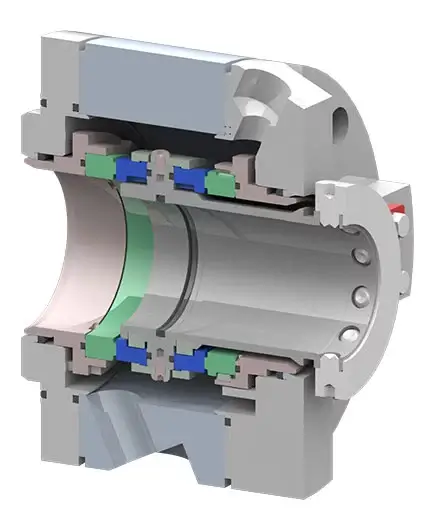
A cartridge mechanical seal is a sealing solution in which the core components of a mechanical seal are pre-assembled into a single integrated unit.
It includes:
- Rotary Ring
- Stationary Ring
- Spring System
- Gland Plate
- Sleeve
- O-Rings/Auxiliary Seals (Elastomers)
- Setting Clips
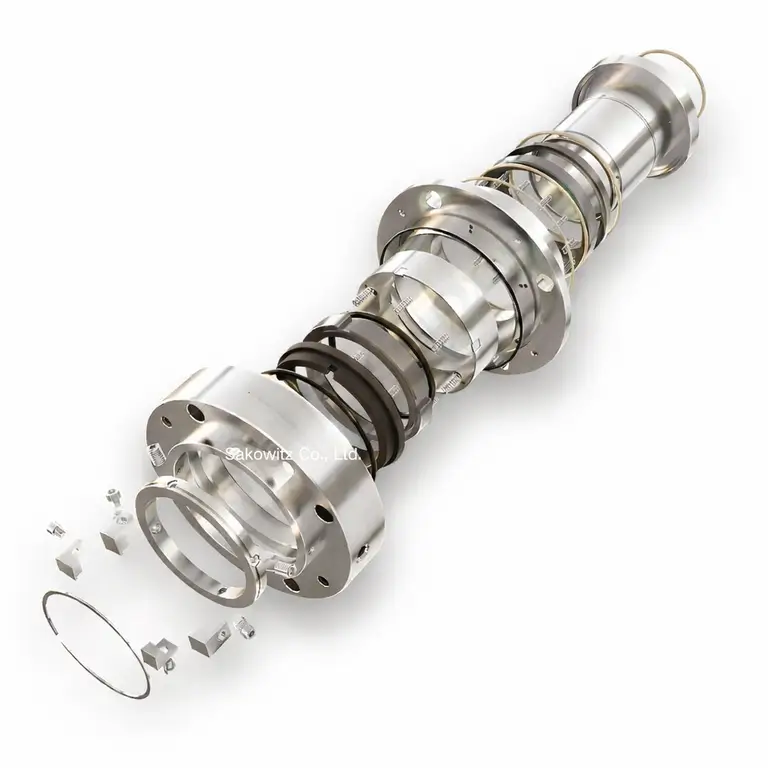
These components are pre-assembled, positioned, and calibrated by the mechanical seal manufacturer prior to shipment, eliminating the need for users to individually adjust spring compression or seal face positioning during installation.
In short:
A Cartridge Mechanical Seal is essentially a “pre-assembled, pre-calibrated” mechanical seal system.
Compared to traditional Component Seals (disassembled mechanical seals), it is easier to install, more stable, and better suited for continuous industrial production environments.
Why Food Processing Requires Hygienic Mechanical Seals?
In the food processing industry, mechanical seals are a critical component of food safety systems.
Mechanical seals come into direct contact with food media, and an improperly designed seal can lead to extremely serious consequences. For example:
- Bacterial growth
- Contaminación del producto
- Inadequate cleaning
- Foreign matter in food
- Lubricant contamination
- Equipment downtime
- Entire batches of products scrapped
As a result, the food industry imposes far stricter requirements on mechanical seals than those found in general industrial applications. This is why food processing must use sanitary-grade mechanical seals.
What is a hygienic mechanical seal?
The Hygienic Mechanical Seal is a mechanical seal specifically designed for industries with high hygiene requirements, such as food, beverage, dairy, pharmaceutical, and biotechnology.
Its primary objective is not merely to “prevent leakage,” but rather to ensure a seal while preventing contamination.
Why Are Standard Mechanical Seals Unsuitable for the Food Industry?
The food industry places greater emphasis on hygiene and safety, cleanability, and microbial control—features that standard industrial mechanical seals do not offer. The design principles underlying standard industrial mechanical seals and those used in the food industry are fundamentally
Why Does the Food Industry Prefer Cartridge Mechanical Seals?
This is because cartridge seals facilitate standardized installation, feature a hygienic design, provide consistent compression, and minimize human error. For food processing plants, this translates to a lower risk of leaks and more stable production. As a result, hygienic cartridge mechanical seals have become the mainstream solution in modern food processing equipment.
Types Of Cartridge Mechanical Seals For Food Applications
In the food processing industry, the requirements for mechanical seals vary depending on the equipment, media, and operating conditions.
For example:
- Milk and syrup have different viscosities.
- Beer and chocolate have different temperatures.
- CIP cleaning frequencies vary.
- The shaft motion of pumps and agitators also differs.
Therefore, in practical applications, you need to select the appropriate type of cartridge mechanical seal based on your specific operating conditions.
Below are the most common types of cartridge mechanical seals used in the food industry.
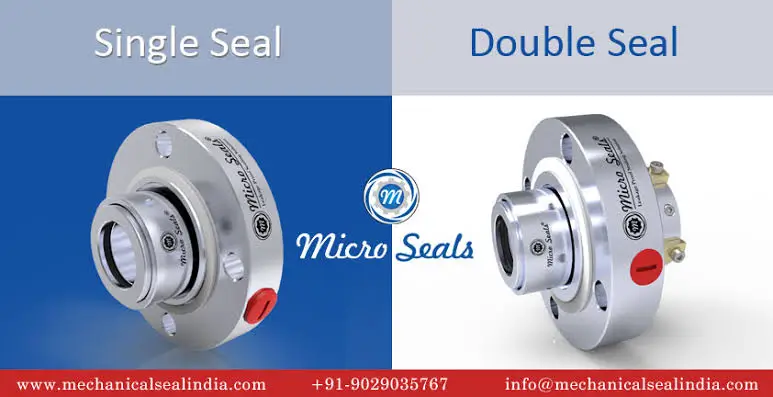
Types 1. Single Cartridge Mechanical Seal
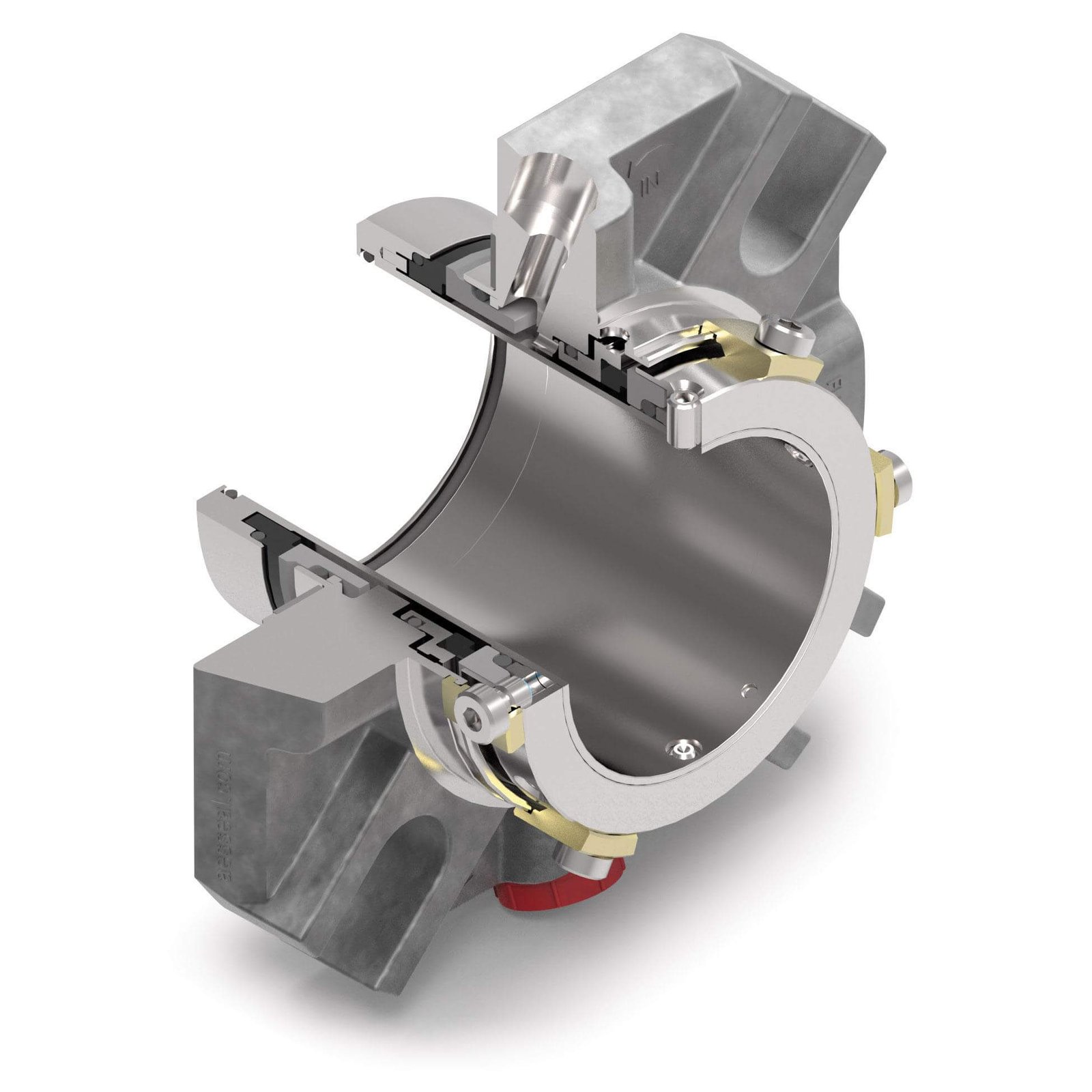
The single-cartridge mechanical seal is the most common and widely used type in the food industry.
It features only one set of sealing faces: a rotating ring and a stationary ring. Sealing is achieved through this pair of sealing faces. The single-cartridge mechanical seal has a relatively simple structure. It offers advantages such as easy installation, low cost, simple maintenance, and few potential leakage points. As a result, the single-cartridge mechanical seal is widely used in milk pumps, beverage pumps, pure water systems, beer transfer systems, and CIP circulation pumps.
However, the single cartridge mechanical seal is not suitable for use with high-viscosity media, media prone to crystallization, applications with a high risk of contamination, or high-pressure conditions. This is because the leakage control capability of a single-face seal is limited.
Type 2. Double Cartridge Mechanical Seal
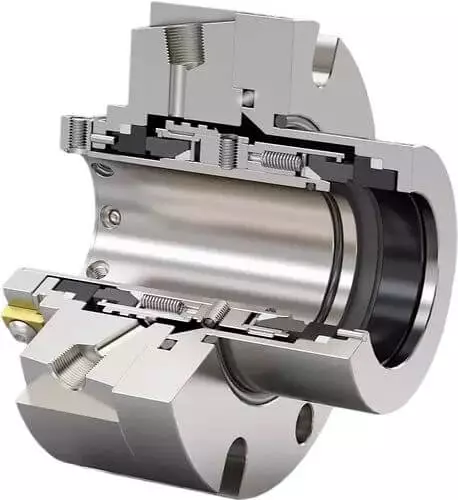
The Double Cartridge Seal uses two sets of sealing surfaces: an inner sealing surface and an outer sealing surface. A barrier fluid and a buffer fluid are typically used in conjunction with these surfaces.
In the food industry, certain food media are particularly difficult to handle. Examples include syrups, chocolate, starch solutions, and high-sugar beverages. These media are highly prone to causing issues such as crystallization, clogging, dry grinding, and adhesion to the sealing surfaces. If a standard single-face seal is used, failure is highly likely. Therefore, the food industry adopts the Double Cartridge Seal to enhance reliability.
However, the disadvantages of the Double Cartridge Seal are also evident. It is more expensive, the system is more complex, and it requires auxiliary systems, leading to higher maintenance demands. Consequently, not all food processing plants require a Double Cartridge Seal.
Type 3. Balanced Cartridge Seal
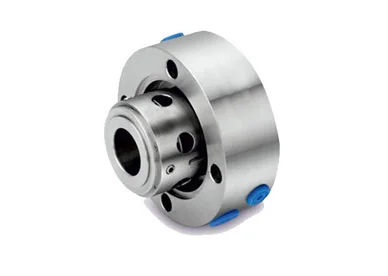
The balanced seal is a critically important design in the food industry. Its primary purpose is to reduce pressure on the sealing surfaces.
Excessive pressure on the sealing surfaces increases heat generation at the friction points, leading to wear. In the food industry, many pieces of equipment operate continuously, with frequent temperature fluctuations and cleaning cycles. Therefore, using a balanced seal can significantly improve operational stability.
Type 4. Outside Spring Cartridge Seal
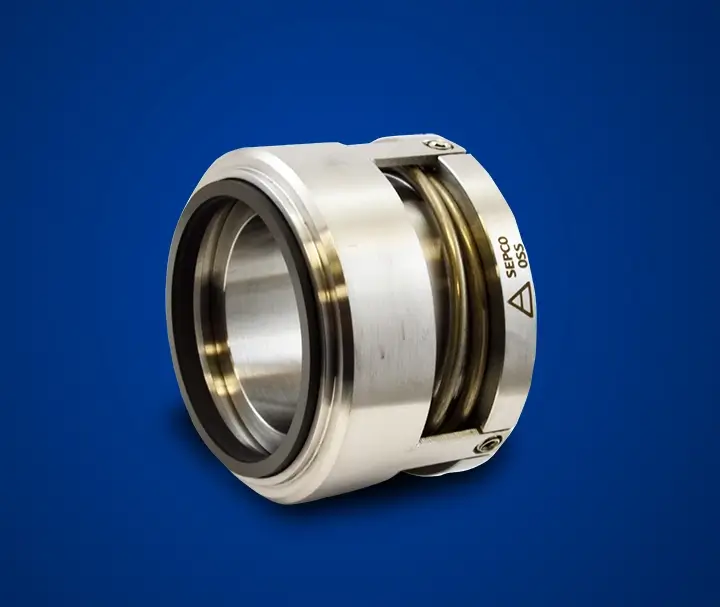
The external spring cartridge seal is one of the most common sanitary designs in the food industry.
If the spring comes into direct contact with the process fluid, it can easily become seized or fail to compress properly, preventing the sealing faces from compensating for wear. For this reason, food-grade mechanical seals typically employ an external spring design, meaning the spring does not come into direct contact with the process fluid.
Type 5. Sanitary Cartridge Mechanical Seal
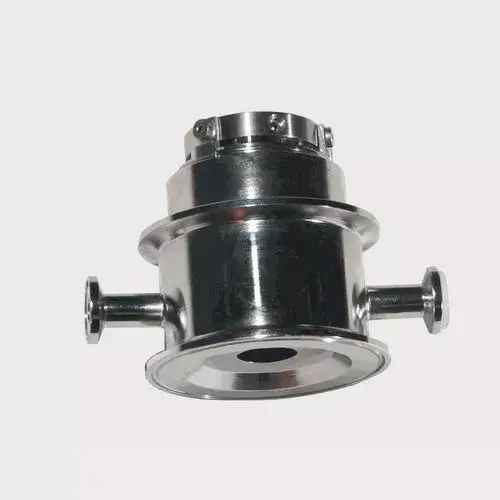
The Sanitary Cartridge Mechanical Seal is a high-hygiene-grade mechanical seal specifically designed for the food and chemical industries. It is characterized by the use of sanitary-grade materials and requires a higher surface finish; industry standards typically specify Ra ≤ 0.8 μm, or even lower.
Type 6. Split Cartridge Mechanical Seal

The Split Seal can be installed without disassembling the shaft.
It is suitable for large-scale equipment and machinery that is difficult to dismantle. Downtime costs are typically high in food processing plants. Therefore, the Split Seal offers significant value in large-scale equipment.
How To Select Seal Face Materials?
If you are selecting a cartridge mechanical seal for the food industry, seal face materials are a critical factor that cannot be overlooked. During actual machine operation, the key to the stable performance of a mechanical seal lies in these two sealing faces that come into contact and rub against each other. As the equipment runs, the rotating ring and stationary ring remain in constant contact while rotating; they must prevent leakage without suffering rapid wear due to excessive friction. Therefore, if the wrong sealing face material is selected, the mechanical seal is prone to overheating, wear, leakage, and even failure within a short period.
Operating conditions in the food industry are more complex than in many general industrial applications. This is because food media are not simply pure water. Additionally, food processing equipment requires frequent CIP (Clean-in-Place) washing and SIP (Steam-in-Place) sterilization, meaning the sealing faces are constantly subjected to high temperatures, thermal cycling, and exposure to acidic and alkaline cleaning solutions.
Therefore, when selecting sealing face materials for the food industry, the key consideration is not “which one is the most expensive,” but rather:
Which material is best suited for these specific operating conditions.
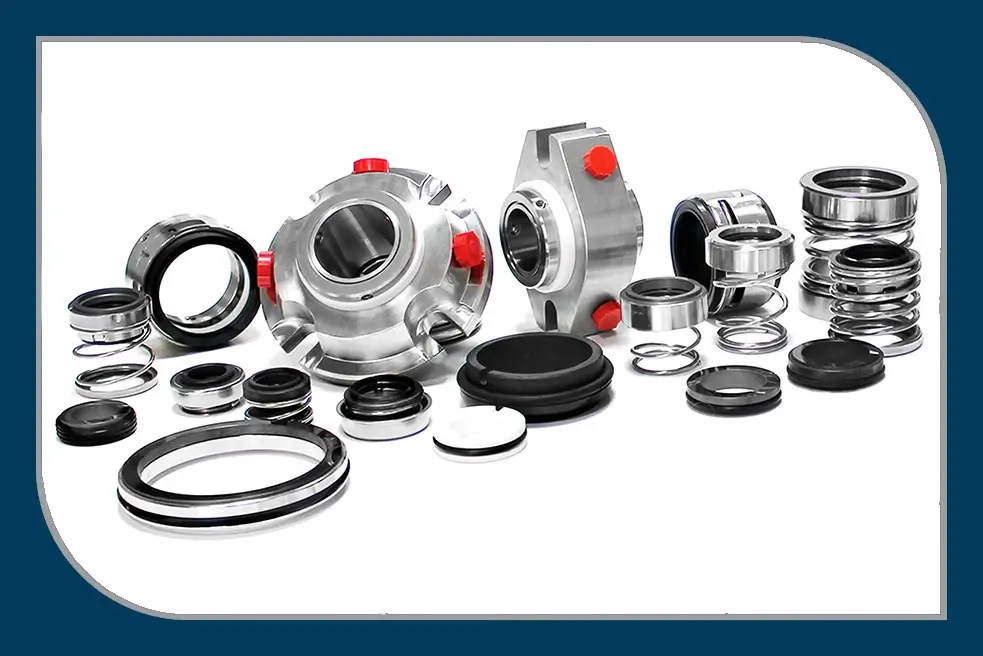
Currently, the most common sealing surface materials in the food industry are primarily Carbon (graphite) and Silicon Carbide.
Key Factors To Consider Before Buying
When purchasing cartridge mechanical seals for the food industry for the first time, many people tend to make the mistake of focusing solely on size and price. In reality, mechanical seals in the food industry are not products that can simply be installed without consideration. Because the operating environment of food processing equipment is highly specialized, the choice of a mechanical seal affects not only whether the equipment leaks but also food safety, production stability, and subsequent cleaning and maintenance costs.
Therefore, before purchasing a cartridge mechanical seal for the food industry, the most important step is not to ask about the price first, but to thoroughly understand your specific operating conditions.
Factor 1 : Pumped Media
Different food media have vastly different effects on mechanical seals.
For example, media such as purified water and milk are relatively “clean” and cause minimal wear on the sealing surfaces; standard sanitary single-face cartridge seals typically suffice. However, when handling syrups, chocolate, fruit purees, starch solutions, or sauces, the situation becomes much more complex. These media are often characterized by high viscosity, a tendency to crystallize, and a propensity to leave residues, making them prone to clogging springs and adhering to the sealing surfaces. Therefore, such operating conditions require higher-grade sanitary design solutions, such as Outside Spring or Double Cartridge Seals.
Factor 2 : Equipment temperature and cleaning methods
In the food industry, mechanical seals are constantly subjected to thermal cycling and chemical corrosion. If the wrong materials are chosen, problems can easily arise.
Therefore, when selecting a cartridge mechanical seal, it is essential to verify that the seal is truly suitable for CIP cleaning and SIP sterilization, and that it is made from FDA-approved food-grade materials.
Factor 3 : Sanitary Engineering Design
Unlike general industrial applications, the food industry does not tolerate any hygiene dead zones.
If there are gaps, deep grooves, or areas where material accumulates around the springs inside a mechanical seal, food residues will build up. Over time, this can lead to bacterial growth, unpleasant odors, and product contamination.
Therefore, cartridge mechanical seals that are truly suitable for the food industry typically feature the following configurations:
- External spring structure
- Dead-zone-free design
- High surface finish
- 316L stainless steel
- Easy-to-clean design
Factor 4 : Operating conditions of the equipment
The operating conditions of the equipment directly affect the service life of mechanical seals.
For example, high-speed pumps require the use of balanced seals because they generate less frictional heat and operate more stably. Equipment subject to significant vibration, on the other hand, requires a more stable combination of sealing face materials to prevent cracking or abnormal wear of the sealing surfaces.
Common Seal Failures In Food Pumps
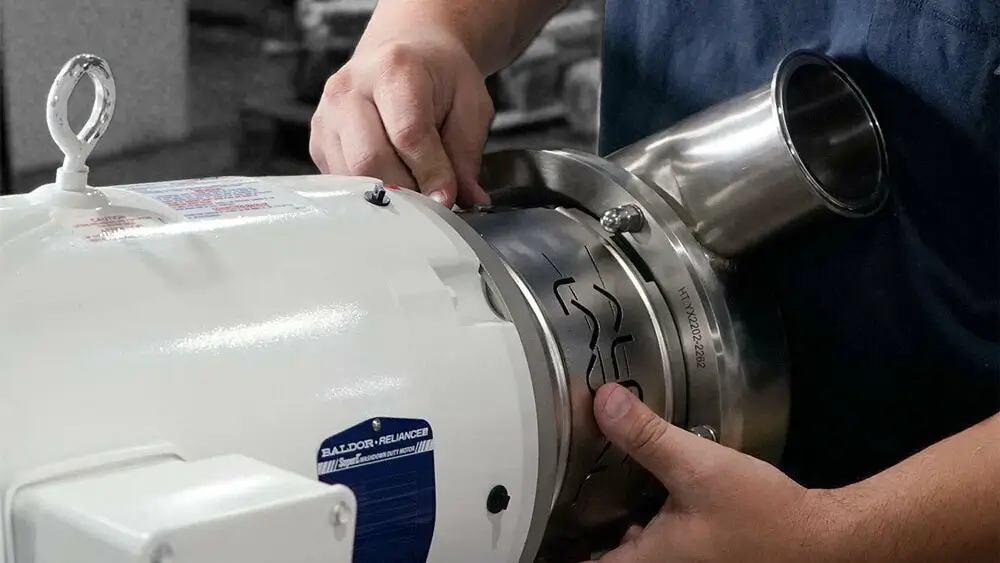
In the food industry, mechanical seals are among the components most prone to failure in food pumps. Many people assume that mechanical seal failure is simply due to “poor quality” or “leaks.” However, in reality, most seal failures in food pumps are not solely the result of product defects, but rather a combination of operating conditions, cleaning methods, installation practices, and the characteristics of the processed medium.
The most common types of seal failure in food pumps include the following:
- Funcionamiento en seco: One of the most typical issues in the food industry.
- Media Crystallization and Material Buildup: When the spring becomes blocked by crystals, the sealing faces cannot properly compensate for wear, ultimately leading to leakage.
- Thermal Shock Failure Caused by CIP/SIP: Cleaning systems cause the seal’s service life to decline rapidly.
- Shaft Vibration and Installation Misalignment: Mechanical seals require extremely high concentricity.
- Incorrect Selection of Sealing Face Materials.
Conclusión
Selecting the right cartridge mechanical seal for the food industry is not only critical to preventing equipment leaks but also directly impacts food safety, production stability, and equipment maintenance costs. Factors such as the characteristics of the process medium, cleaning methods, operating conditions, and seal face materials all influence the ultimate service life and reliability of the mechanical seal. The right sanitary-grade mechanical seal can help food processing equipment achieve safer, more stable, and more efficient long-term operation.
Sakowitz specializes in providing reliable sanitary mechanical seal solutions for the food industry, helping customers improve equipment operational stability and production efficiency.
 Spanish
  English
  Portuguese
  Russian
  Arabic