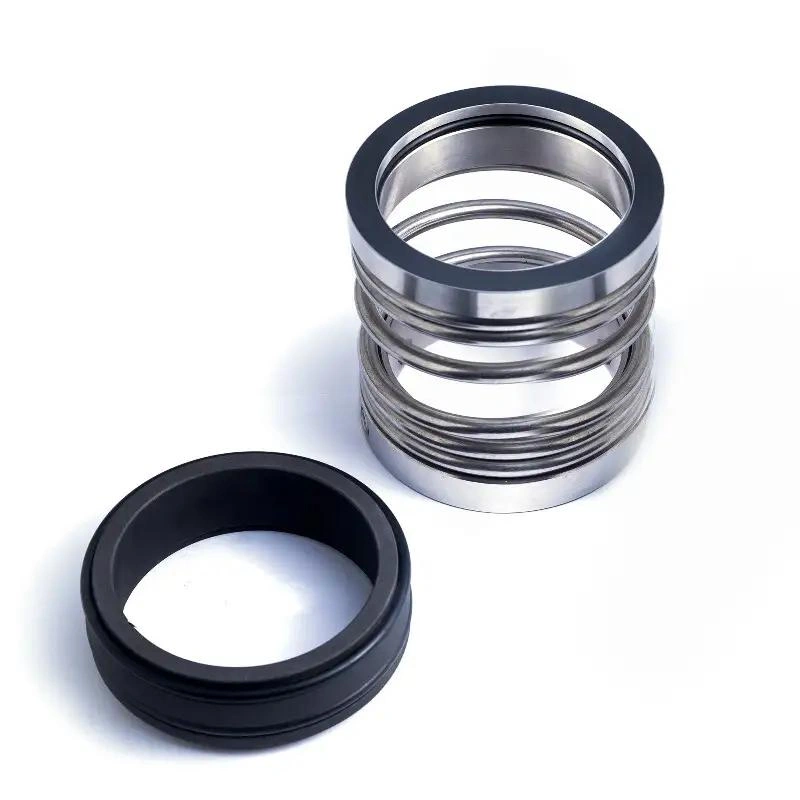
In mechanical seals, silicon carbide and tungsten carbide are two common materials used for sealing faces. Both possess high hardness and wear resistance, but they differ in terms of corrosion resistance, thermal conductivity, impact resistance, and performance under complex operating conditions.
This article will provide a detailed comparison of silicon carbide and tungsten carbide in terms of material composition, manufacturing processes, hardness and wear resistance, chemical compatibility, thermal conductivity, impact resistance, and friction characteristics, to help you select the mechanical seal face material best suited for your specific operating conditions.
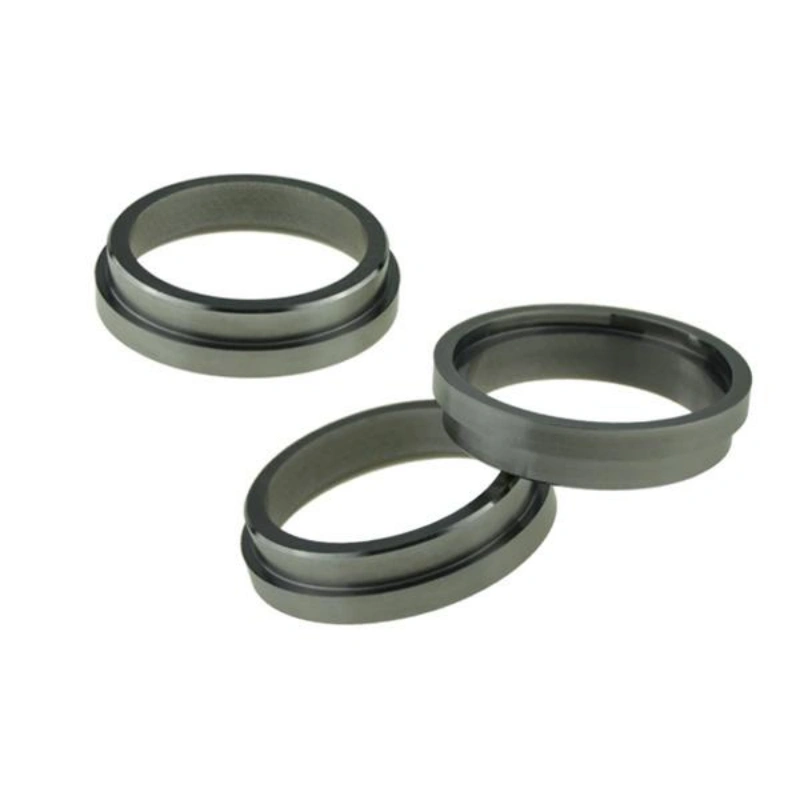
Silicon carbide and tungsten carbide are both commonly used hard face materials in mechanical seals. They are primarily used in the rotating and stationary rings. The mating of two precision-machined faces controls fluid leakage. This leakage occurs around the pump shaft.
| Comparison | Silicon Carbide (SiC) | Tungsten Carbide (WC) |
|---|---|---|
| Material Type | Hard engineering ceramic. | Hard metal composite with a metallic binder. |
| Hardness | Generally higher. | Very high, but generally lower than SiC. |
| Wear Resistance | Excellent for abrasive service. | Excellent under wear and mechanical load. |
| Impact Resistance | More brittle; sensitive to chipping and cracking. | Better toughness and impact resistance. |
| Corrosion Resistance | Broad chemical resistance; verify fluid compatibility. | Strongly affected by binder type and material grade. |
| Thermal Conductivity | Good; depends on SiC grade. | Good; depends on WC grade. |
| Thermal Shock | Depends on grade, structure, and heat transfer. | Depends on grade, toughness, and temperature change. |
| Dry Running | Not suitable for prolonged dry running. | Also not suitable for prolonged dry running. |
| Typical Selection | Corrosive fluids and high-wear applications. | High-impact, vibration, and mechanical-load applications. |
Tip: Neither SiC nor WC is a material with uniform, fixed properties. For example, silicon carbide exists in various sintered and reaction-bonded forms, and tungsten carbide also has different metal-bonded phases and compositions. Even when the names are the same, different grades may exhibit variations in corrosion resistance, toughness, and thermal conductivity.
There are two main types of silicon carbide commonly used in mechanical seals.
In this process, molten silicon is infiltrated into a carbon-containing silicon carbide green body, causing the silicon to react with the carbon to form new silicon carbide, thereby producing a dense structure.
After manufacturing, some free silicon remains within the material.
Free silicon helps form a dense structure but may be susceptible to erosion in certain strong alkalis or specific corrosive chemical media.
SSiC is produced through high-temperature sintering, which bonds silicon carbide particles to form a dense material.
Common unpressurized solid-state sintered silicon carbide contains no free silicon.
Since it lacks free silicon—a component susceptible to erosion by certain media—SSiC of the appropriate grade offers broader chemical resistance.
Tip: SSiC is not completely resistant to all chemical media; you still need to verify the specific material grade, liquid concentration, and operating temperature.
| Material Type | Main Structure | Key Selection Focus |
|---|---|---|
| RB-SiC | Silicon carbide with residual free silicon. | Compatibility of free silicon with the process fluid. |
| SSiC | Dense sintered silicon carbide; common grades contain no free silicon. | Material grade and chemical compatibility. |
| WC-Co | Tungsten carbide with cobalt binder. | Strength, wear resistance, and cobalt corrosion risk. |
| WC-Ni | Tungsten carbide with nickel binder. | Binder corrosion resistance and mechanical properties. |
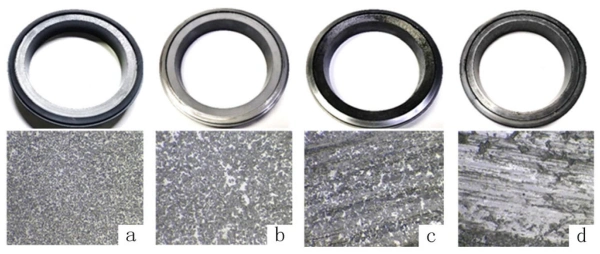
Hardness refers to a material’s ability to resist indentation, scratching, or localized deformation, while wear resistance refers to a material’s ability to resist material loss under prolonged friction and particle impact.
Silicon carbide is a high-hardness engineering ceramic that can effectively resist surface scratching caused by hard particles, making it suitable for many mechanical seals that require high wear resistance.
Tungsten carbide is not as hard as silicon carbide, but common metal-bonded tungsten carbide possesses good toughness. When equipment is subjected to vibration, impact, or localized mechanical loads, it may be less prone to chipping or brittle fracture than silicon carbide.
Tip: The actual wear resistance of both materials also depends on the specific material grade and seal design; service life cannot be determined based on hardness alone.
Abrasive media refers to liquids containing sand grains, mineral particles, or other hard solids. These particles can become trapped between the faces of a mechanical seal, accelerating wear and even causing scratches on the sealing surfaces and leaks.
When handling sand-laden wastewater or mineral slurry, you need to consider the following factors:
It is also important to note that wear caused by particles does not depend solely on particle hardness. Particle shape, the actual number of particles entering the sealing faces, and the seal design also influence the final outcome.
Corrosion resistance refers to a material’s ability to withstand erosion by chemical media, while chemical compatibility refers to a material’s ability to function stably over the long term in specific liquids at specific concentrations and temperatures.
Silicon carbide possesses high chemical stability and is suitable for many corrosive liquid environments. However, different manufacturing processes can affect its corrosion resistance.
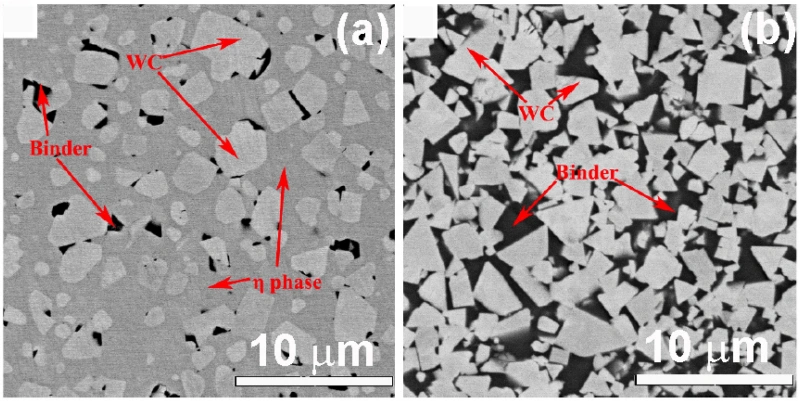
Reaction-bonded silicon carbide (RB-SiC) contains a certain amount of free silicon.
This free silicon may be susceptible to attack by strong alkalis, hydrofluoric acid, and other media; therefore, RB-SiC is not suitable for direct use in all highly corrosive operating conditions.
Tungsten carbide used in mechanical seals contains a metallic binder phase—that is, the metal material that binds the hard tungsten carbide particles together.
Common binder phases include cobalt and nickel.
Cobalt-bonded tungsten carbide offers good mechanical strength and wear resistance, but cobalt may be eroded by certain acidic or other corrosive media.
| Fluid / Condition | Silicon Carbide (SiC) | Tungsten Carbide (WC) |
|---|---|---|
| Clean Water / Neutral Fluids | Generally suitable. | Generally suitable. |
| Acidic Fluids | SSiC is often preferred for evaluation. | Check corrosion risk of the metal binder. |
| Strong Alkaline Fluids | SSiC is generally preferred over RB-SiC with free silicon. | Depends on binder type and material grade. |
| Chloride-Containing Fluids | Verify the specific grade and operating conditions. | Evaluate binder corrosion risk. |
| Corrosive Slurries | Prioritize SSiC and suitable seal design. | Check both corrosion and wear resistance. |
The above are only preliminary guidelines for material selection and do not guarantee that the materials will be safe when used with the corresponding media. In particular, for operating conditions involving high temperatures, high concentrations, or mixed chemical media, a determination must be made based on specific material data.
During the operation of a mechanical seal, frictional heat is generated between the rotating ring and the stationary ring. If this heat cannot be dissipated in a timely manner, the temperature of the sealing faces may rise, leading to abnormal wear, thermal deformation, and even cracks and leaks.
Thermal conductivity is a measure of a material’s ability to transfer heat. A higher thermal conductivity coefficient indicates that heat is more easily transferred through the material.
Both silicon carbide and tungsten carbide can conduct the frictional heat generated at the sealing faces, but their thermal conductivity coefficients vary depending on manufacturing processes, material formulations, and temperature.
Tip: When your pump needs to operate under high-temperature or high-speed conditions, in addition to comparing the thermal conductivity of materials, you should also check the seal chamber temperature, cooling conditions, and actual lubrication status.
Thermal shock refers to the phenomenon where a material undergoes significant temperature changes in a short period of time, resulting in internal thermal stress.
If your equipment frequently experiences alternating hot and cold cycles, sudden starts, or rapid temperature changes, you should pay special attention to the material’s thermal shock performance and try to avoid subjecting the sealing faces to sudden thermal shocks.
Dry running refers to the operation of mechanical seal faces without a sufficient lubricating fluid film. The fluid film is a very thin layer of liquid between the two seal faces, primarily used to reduce direct contact, minimize friction, and help dissipate heat.
For conventional silicon carbide and tungsten carbide seal faces, prolonged dry running can cause severe damage.
Tip: Although silicon carbide and tungsten carbide are both hard materials, their high wear resistance does not mean they can operate without lubrication.
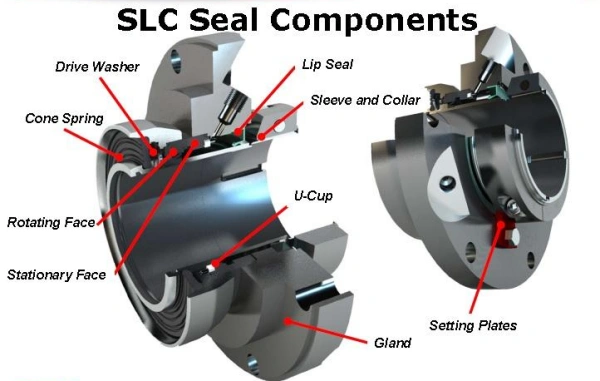
Under high-pressure, vibration, or heavy-slurry conditions, mechanical seals must not only resist wear but also withstand continuous mechanical loads and complex operating conditions.
Pressure resistance refers to a mechanical seal’s ability to maintain structural integrity, operate normally, and control leakage under specified pressure conditions.
Both silicon carbide (SiC) and tungsten carbide (WC) possess high compressive strength and can be used in properly designed high-pressure mechanical seals. However, high pressure not only affects the materials but may also increase the contact load between the two sealing faces.
Tip: When selecting a high-pressure mechanical seal, you should prioritize confirming the rated operating pressure of the entire seal assembly rather than simply comparing the compressive strengths of SiC and WC. The allowable operating pressure may vary significantly depending on the specific seal configuration, even when the same material is used.
Impact resistance refers to a material’s ability to withstand sudden external forces without fracturing or sustaining damage.
Although silicon carbide is extremely hard, it is a brittle ceramic. When equipment is subjected to severe vibration, shaft runout, or abnormal mechanical contact, the seal ring may chip or crack.
Tungsten carbide uses a metal-bonded phase to bind hard particles together, which can be an advantage under operating conditions with significant mechanical shock.
Heavy slurry refers to slurries with a high solid particle content, high abrasiveness, or harsh pumping conditions.
Silicon carbide has high hardness and scratch resistance, making it suitable for applications with significant abrasive wear. Tungsten carbide is wear-resistant and has good toughness, making it suitable for conditions involving impact or unstable loads.
For heavy-slurry applications, it is recommended to use specialized slurry seals in conjunction with flushing or isolation solutions to prevent particle buildup on the seal faces and moving parts.
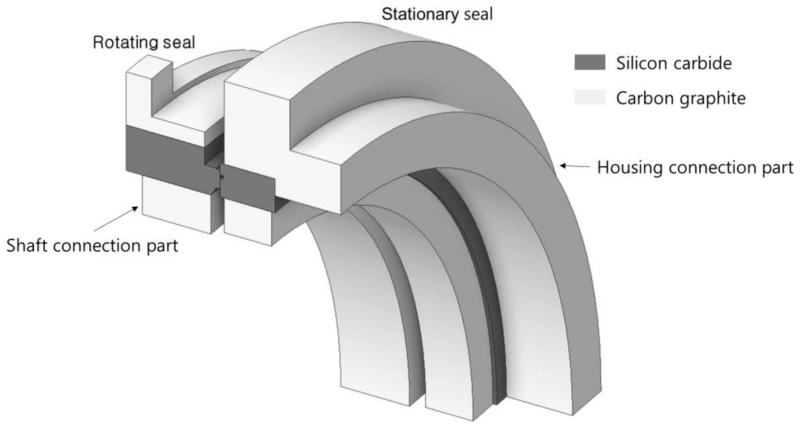
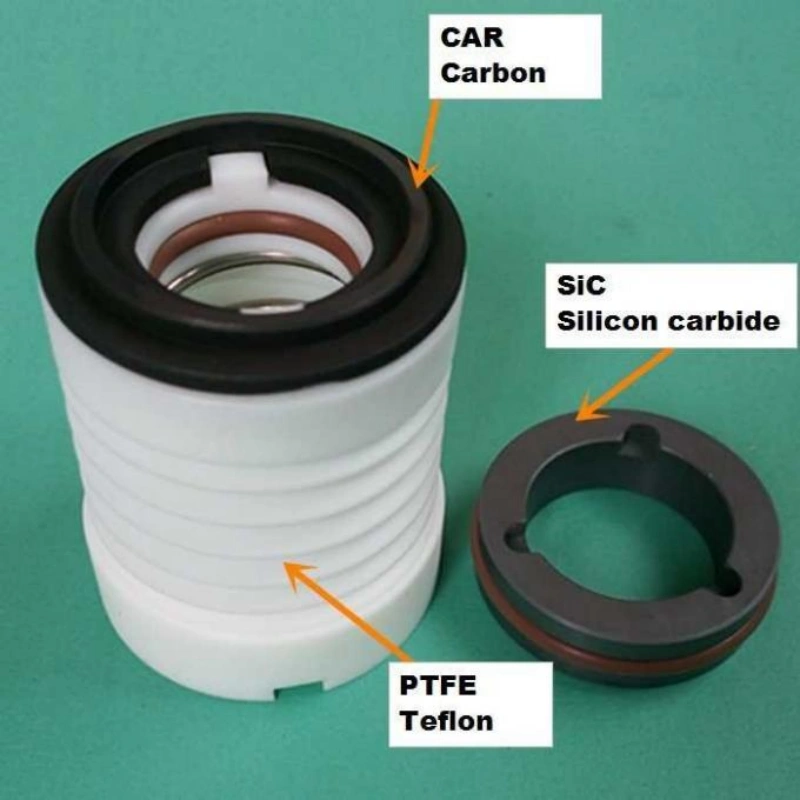
In mechanical seals, the performance of silicon carbide and tungsten carbide depends not only on the materials themselves but also on how they are paired with the opposing sealing face.
Friction refers to the resistance generated when two sealing faces move relative to each other. During the operation of a mechanical seal, a very thin liquid film between the rotating ring and the stationary ring reduces direct contact while dissipating some of the frictional heat.
This liquid film is extremely important. If the liquid film is insufficient, direct contact between the faces will increase, potentially leading to elevated temperatures, abnormal wear, or even seal failure.
Tip: Based on our many years of industry experience, it is incorrect to simply assume that silicon carbide, being harder, will necessarily result in lower friction, nor should one assume that tungsten carbide, being more impact-resistant, is more suitable for environments with insufficient lubrication.
There are two common types of seal face pairings in mechanical seals.
Hard–Soft Pairing refers to a combination of a hard material and a relatively soft material.
Hard–Hard Pairing refers to the use of hard materials on both sides.
This pairing is typically used in operating conditions that require greater resistance to abrasive wear, especially where solid particles are present or high seal face loads occur.
| Face Pair | Main Features | Typical Applications | Key Notes |
|---|---|---|---|
| SiC / Carbon | Hard SiC paired with self-lubricating carbon. | Clean fluids and some chemical services. | Carbon is sensitive to hard particles. |
| WC / Carbon | Wear-resistant WC paired with carbon. | Clean fluids requiring better mechanical toughness. | Check WC binder chemical compatibility. |
| SiC / SiC | Both faces offer high hardness. | Abrasive fluids and some corrosive media. | Requires proper lubrication and heat removal. |
| WC / WC | High wear resistance and mechanical strength. | High-load and abrasive applications. | Check lubrication and binder corrosion risk. |
| SiC / WC | Combines SiC hardness with WC toughness. | Applications needing two different hard-face materials. | Verify the specific pairing for the operating conditions. |
| Application | Silicon Carbide (SiC) | Tungsten Carbide (WC) | Selection Guide |
|---|---|---|---|
| Clean Water / Cooling Water Pumps | Good wear resistance for clean water service. | Good wear resistance with higher toughness. | Both can work; consider face pairing, lubrication, and cost. |
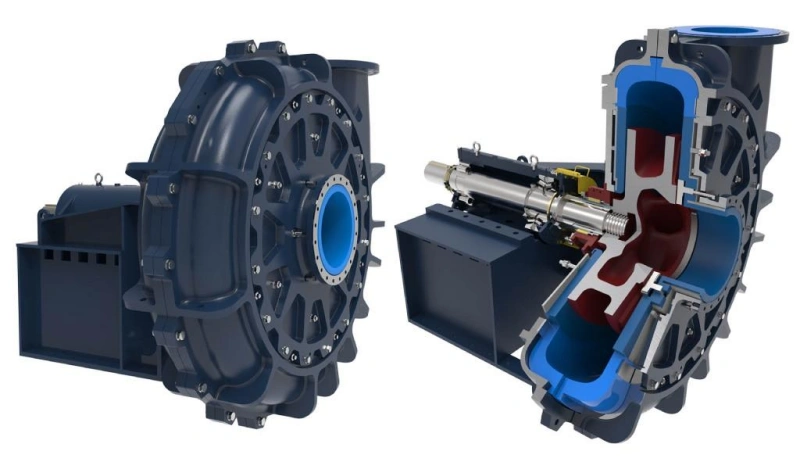
| Wastewater / Sludge Pumps | High hardness helps resist particle scratching. | Better toughness for combined impact and wear. | Select based on solids, wear severity, and seal design. |
| Chemical Pumps | SSiC offers broad chemical resistance. | Corrosion resistance depends on the metal binder. | For stronger corrosion, prioritize SSiC. |
| Slurry / Heavy Slurry Pumps | Strong choice for continuous abrasive wear. | Combines wear resistance and toughness. | Consider particle type, impact load, and seal design. |
| Lubricating Oil Pumps | Can be paired with carbon graphite. | Can be paired with carbon graphite. | Focus on fluid lubricity and face pairing. |
| Petrochemical / Process Pumps | Suitable when chemically compatible. | Suitable when binder compatibility is confirmed. | Consider fluid, temperature, pressure, and seal system design. |
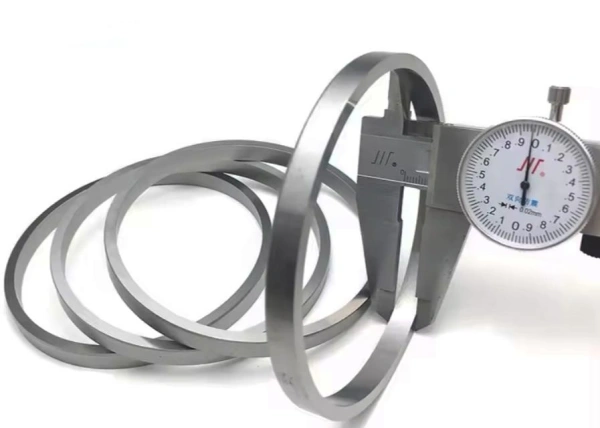
When selecting materials for mechanical seal faces, one should not simply assume that silicon carbide is more durable than tungsten carbide just because it is harder. Both materials have their own advantages; what truly determines performance is whether the material properties match the actual operating conditions.
First, determine what type of liquid the pump is handling and whether it contains corrosive chemicals or solid particles.
For clean water, cooling water, or general lubricating oils, both SiC and WC can be considered. For highly corrosive chemical liquids, sintered silicon carbide should be evaluated first.
When the liquid contains sand, mineral particles, or sludge, both wear resistance and impact resistance must be considered. Both materials may be suitable; hardness alone should not be the sole criterion.
Confirm the pump’s operating pressure, temperature, rotational speed, and vibration levels.
Silicon carbide has high hardness but is a brittle ceramic; therefore, the risk of mechanical impact cracking must be considered. Metal-bonded tungsten carbide offers better toughness and is more advantageous in applications with high mechanical loads.
However, materials with good toughness do not necessarily withstand higher pressures. The actual pressure-bearing capacity of the seal also depends on the face dimensions, balancing structure, and overall design.
Seal face pairing refers to the material combination of the rotating ring and the stationary ring.
For clean liquids with good lubrication conditions, SiC/carbon graphite or WC/carbon graphite are options. Carbon graphite is self-lubricating, which helps reduce friction.
For operating conditions containing a large number of hard particles, hard-on-hard combinations such as SiC/SiC and WC/WC can be evaluated.
After confirming the material type, the specific grade must also be verified. SiC may be reaction-bonded (RB-SiC) or sintered silicon carbide (SSiC); WC may use cobalt or nickel as the binder phase.
These differences affect chemical compatibility, toughness, and actual performance; therefore, not all SiC or WC materials should be treated as identical.
When purchasing, provide the supplier with the name and concentration of the medium, particle characteristics, temperature, pressure, rotational speed, and seal model, and request confirmation of the face material grades, pairing methods, and applicable ranges.
Yes. SiC/WC is a hard-on-hard pairing, but it is essential to verify that the seal design, medium, and lubrication conditions are suitable; they should not be mixed arbitrarily.
There is no definitive answer. Both materials may overheat, wear out, or crack due to a lack of lubrication. It depends on the seal face pairing and the seal design; long-term dry running is not recommended for either.
Generally, yes. Silicon carbide has higher hardness but lower toughness; metal-bonded tungsten carbide typically offers better impact resistance.
There is no fixed answer. Price depends on material grade, manufacturing process, dimensions, and machining requirements; comparisons should be based on supplier quotes for identical specifications.
Not necessarily. The two materials have different physical properties, so it is essential to verify the dimensions, face-to-face fit, mounting method, and operating conditions; they should not be substituted directly without prior verification.
SSiC typically contains no free silicon and offers a broader range of corrosion resistance; RB-SiC typically contains residual free silicon and may be susceptible to erosion in certain corrosive media.
The binder is typically cobalt or nickel. Increasing the binder content generally helps improve toughness but may reduce hardness and wear resistance, depending on the material formulation.
After cleaning, inspect for cracks, scratches, chipped edges, and abnormal wear; check the flatness of the seal faces if necessary. If cracks or damage exceeding the allowable limits are found, the seal ring should be replaced.
As shown by the comparison above, selecting the material for mechanical seal faces is not simply a matter of comparing which is better—silicon carbide or tungsten carbide—but rather determining which material is better suited to your specific operating conditions.
Silicon carbide, with its high hardness and good corrosion resistance, is suitable for a wide range of chemical and abrasive media; tungsten carbide, on the other hand, combines wear resistance with mechanical toughness, offering certain advantages in environments subject to impact or high mechanical loads.
If you are still unsure which material is best suited for your pump equipment, Sakowitz can provide you with support in selecting mechanical seals and pump components. Please feel free to contact us.
—— We Will Provide You With Professional OEM Solutions.
Whether you require pump bearings, pump valves, mechanical seals, or other custom-engineered components, we support production based on your drawings as well as rapid prototyping.
Please complete the form on the right and upload your technical drawings or specifications. Our engineering team will review your requirements within 24 hours and provide a detailed quotation, application recommendations, and delivery schedule.
Copyright © 2025 Sakowit, All rights reserved.
WhatsApp us