
A cartridge mechanical seal is a pre-assembled sealing unit designed for pumps and rotating equipment. It simplifies installation, reduces human error, and improves sealing reliability compared to traditional component seals.
In industrial applications where leakage, downtime, and maintenance costs are critical concerns, cartridge seals have become the preferred choice for engineers and plant operators.
What Is a Cartridge Mechanical Seal?
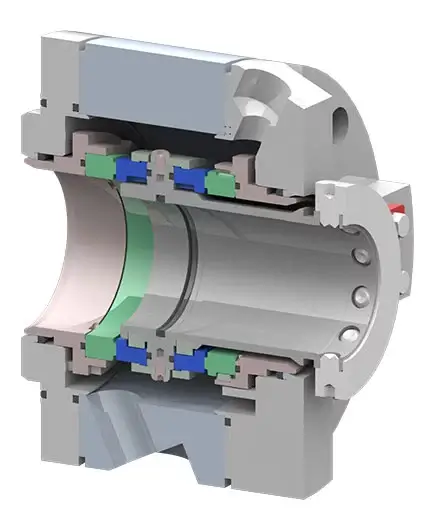
A cartridge mechanical seal is a mechanical sealing device in which the sealing faces, springs, auxiliary seals, and mounting structure are pre-assembled into a single integrated module. Users can install the entire unit directly without the need for on-site adjustment.
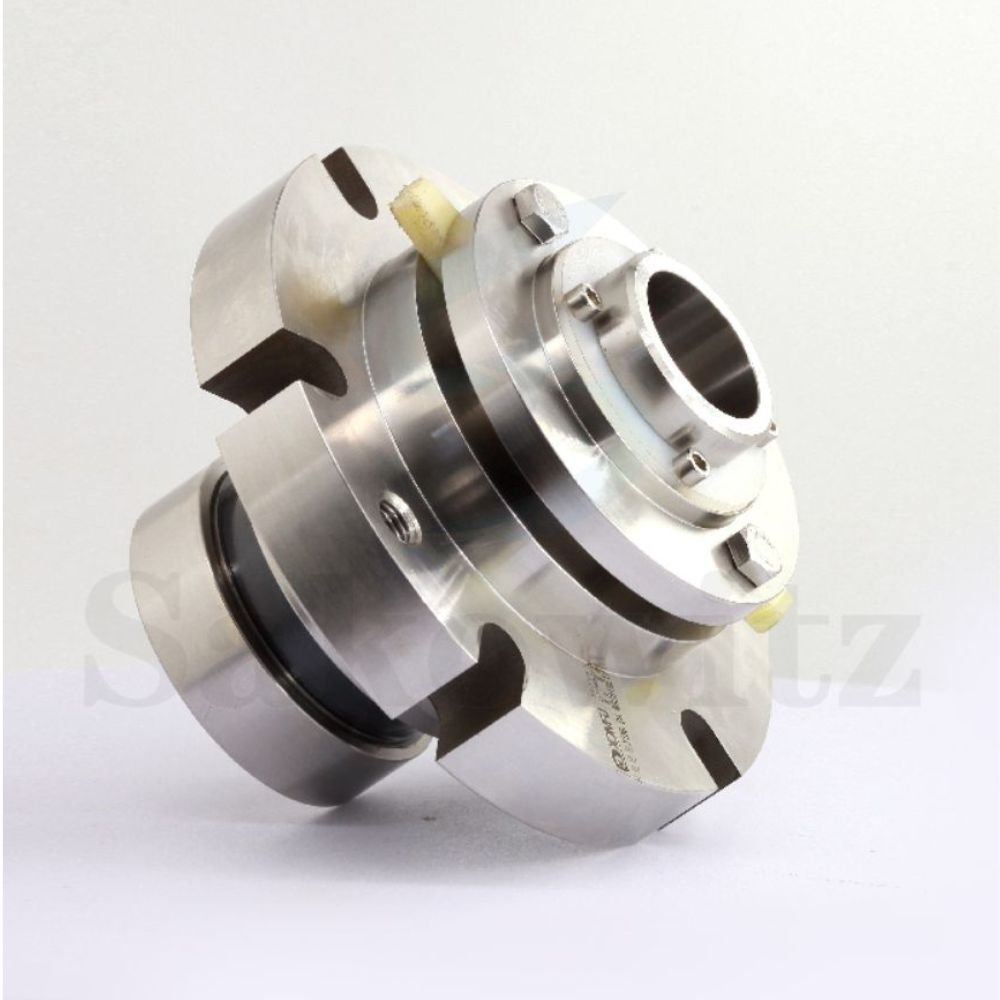
Core Structural Components of Cartridge Mechanical Seals
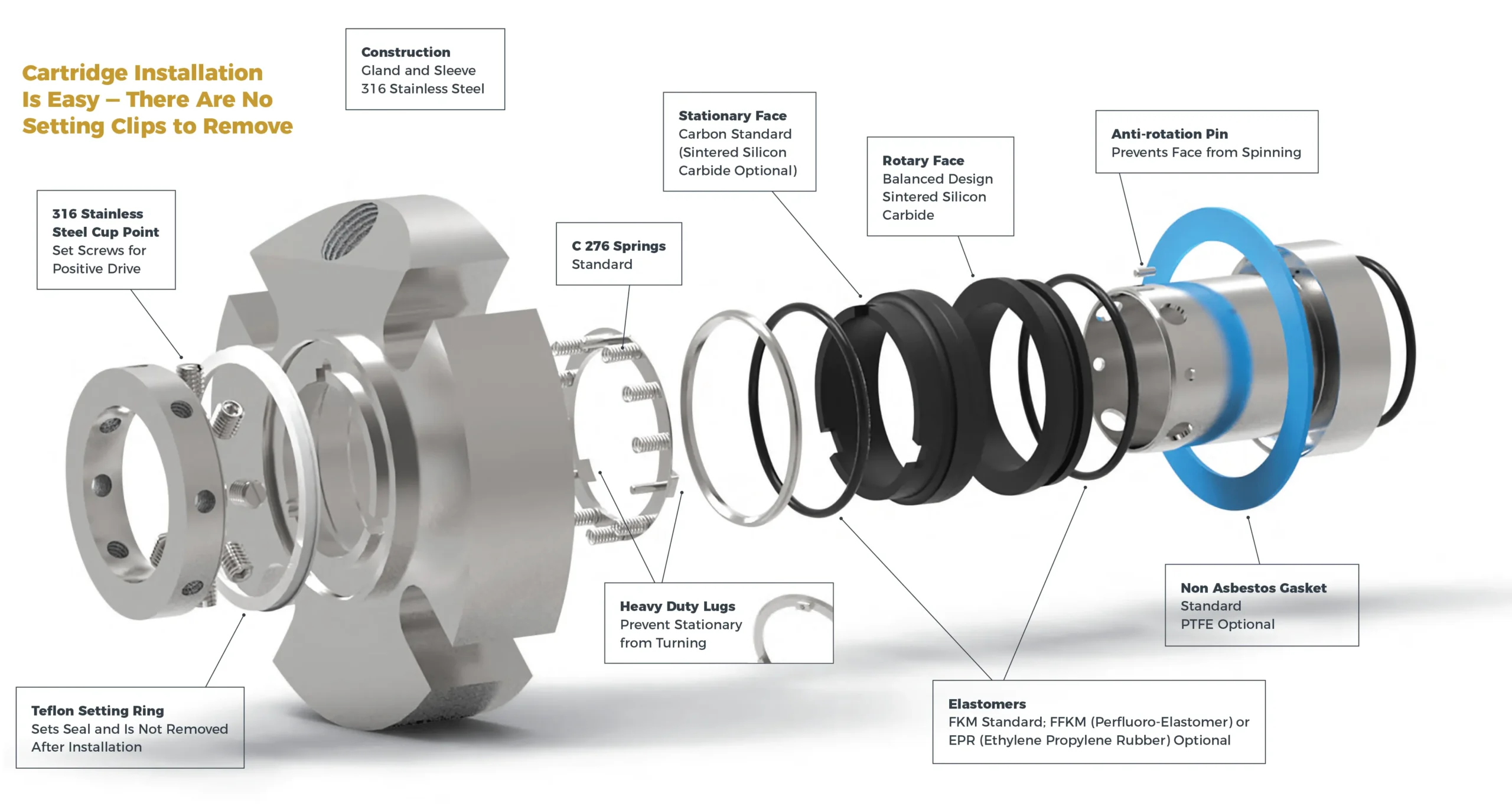
Compared to conventional mechanical seals, a cartridge seal is a sealing module that has been systematically engineered. Before actual use, all components of the cartridge seal have already been pre-assembled and calibrated. Generally, the structure of a cartridge seal consists of the following 5 parts:
- Seal faces
- Pre-set spring system
- Auxiliary seal (O-ring/elastomer)
- Sleeve
- Gland plate
How Does a Cartridge Mechanical Seal Work?
The operating principle of a cartridge mechanical seal is quite simple. It achieves a reliable seal by forming an extremely thin liquid film between the rotating and stationary rings, operating under conditions of “minimal leakage and controlled friction.”
Before delving into how cartridge seals work, it’s important to establish a clear understanding of the concept.
In the field of mechanical seals, the term “seal” may have a slightly different meaning than what you’re accustomed to. The reality is:
✅ A seal = Allowing an extremely small amount of leakage (a liquid film at the micrometer level) in exchange for stable operation
If a mechanical seal were to operate under “complete dry friction,” the sealing surfaces would burn out instantly. This is a very serious situation.
How Does a Cartridge Mechanical Seal Work?
The operating process of the Cartridge Mechanical Seal is generally divided into five steps.
Step 1: Equipment Startup
The shaft begins to rotate; the rotating face rotates with the shaft, while the stationary face remains stationary. The two sealing faces come into contact.
Step 2: The spring provides the initial sealing force
The spring inside the cartridge seal is pre-set and provides axial clamping force. The primary function of the spring is to ensure contact between the sealing surfaces and to compensate for wear.
Step 3: Forming a “Liquid Film” (The Core of the Core)
When the equipment is in operation, the working fluid enters the space between the sealing surfaces, forming an extremely thin liquid film (approximately 1–3 micrometers) between the two mirror-like surfaces. This liquid film serves three purposes:
- Reducing friction
- Dissipating heat
- Preventing dry friction
Step 4: Dynamic equilibrium (stable operation)
At this point, the system enters a “state of equilibrium”:
| Force Type | Function |
|---|---|
| Spring Force | Keeps the seal faces in contact |
| Fluid Pressure | Tends to separate the seal faces |
| Lubrication Film | Reduces friction and removes heat |
Step 5: Achieve a seal (though not an absolute seal)
This ultimately achieves an industrially recognized “effective seal.” While a very small amount of liquid may pass through the liquid film, the leakage rate is extremely low (typically imperceptible).
Why are cartridge seals more reliable?
Why are cartridge seals more reliable? Essentially, this is because mechanical seal manufacturers have already set all critical parameters during the manufacturing process, including spring compression, seal face positioning, and the overall structural alignment. Users simply need to install the entire assembly on-site without the need for manual adjustment. This eliminates the most common human errors associated with traditional mechanical seals, such as overheating and wear caused by excessive compression, or leakage caused by insufficient compression.
Additionally, because the Cartridge Seal features an integrated design, forces are distributed more evenly across the sealing faces, making it easier to maintain a stable liquid film during operation and thereby reducing friction and wear. Furthermore, the integrated structure minimizes issues such as eccentricity and runout during installation, resulting in smoother seal operation.
Simply put, the stability of the Cartridge Seal does not stem from its complexity, but rather from the fact that it transforms an “installation process reliant on experience” into a “standardized product,” eliminating uncertainty at the source.
Types of Cartridge Mechanical Seals
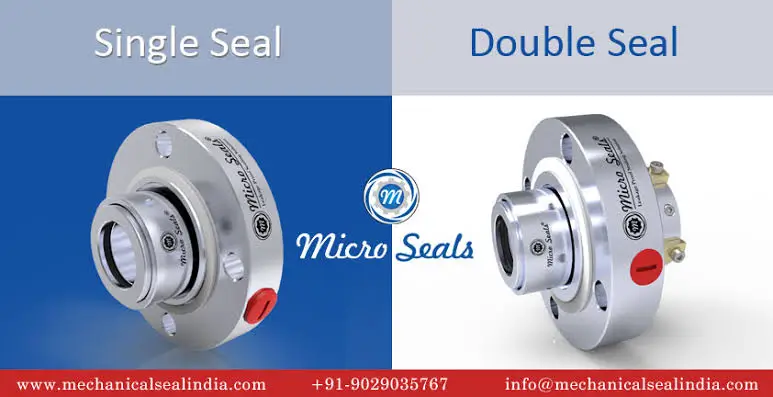
Selecting the appropriate type of cartridge mechanical seal essentially involves matching the most suitable sealing solution based on the risks posed by the medium, pressure conditions, and installation environment. Based on sealing structure, they can be classified into Single Cartridge Seals and Double Cartridge Seals. Based on pressure configuration, they can be classified into Balanced Seals and Unbalanced Seals. Based on application scenarios, they can be classified into Pump Seals and Agitator Seals. Based on structural design, they can be classified into Standard Cartridge Seals and Split Cartridge Seals. Below, I will provide a detailed overview of Single Cartridge Seals, Double Cartridge Seals, Standard Cartridge Seals, and Split Cartridge Seals.
Single Cartridge Seal
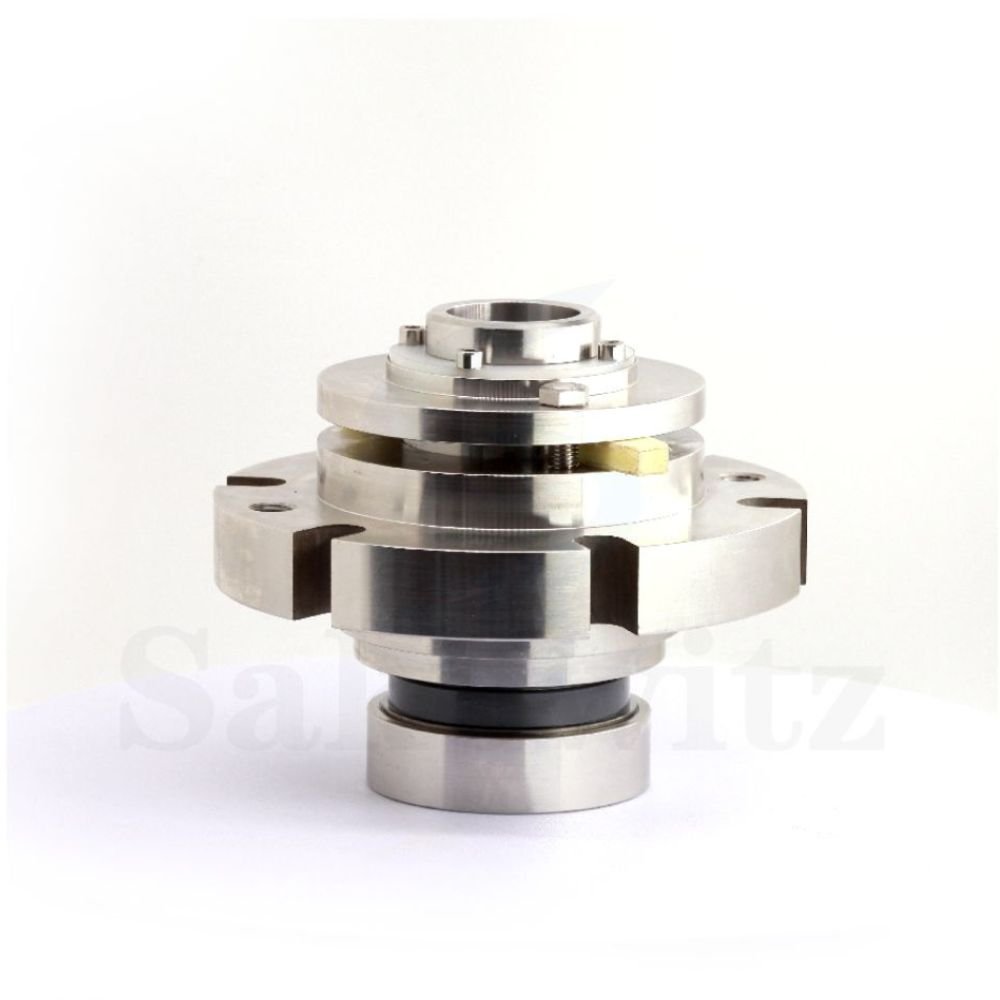
Single Cartridge seals consist of only one pair of sealing surfaces (rotating ring + stationary ring), with the medium itself directly participating in lubrication and cooling. Their structure is very simple, resulting in lower manufacturing costs and easier installation and maintenance. During operation, a liquid film forms between the sealing surfaces to achieve sealing; however, if the medium has poor lubricity or contains particles, this can easily lead to accelerated wear.
Aplicativos:
- Pump systems
- General oil-based media
- Low-risk chemical liquids
Advantages: Low cost, simple design
Limitations: Lower safety, leaks can directly contaminate the environment
Double Cartridge Seal
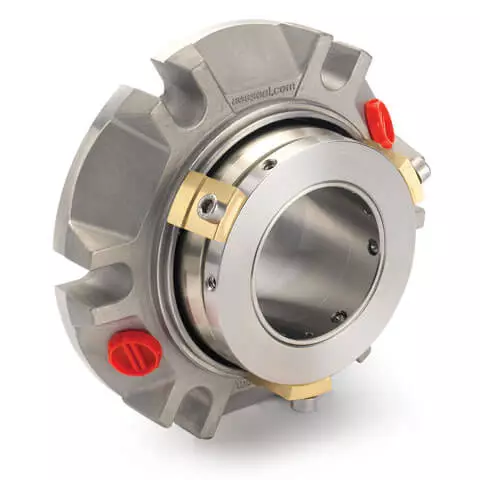
A double-ended seal consists of two pairs of sealing faces with a barrier fluid introduced between them. The pressure of this fluid layer is higher than that of the process medium, thereby creating a “reverse seal” that prevents the medium from leaking to the outside. Even if the inner seal fails, the outer seal can still provide protection.
Aplicativos:
- Toxic media (e.g., chemical solvents)
- Flammable and explosive liquids
- High-value or environmentally sensitive applications
Advantages: High safety, controllable leaks
Limitations: High cost, more complex system (requires an API flushing solution)
Standard Cartridge Seal
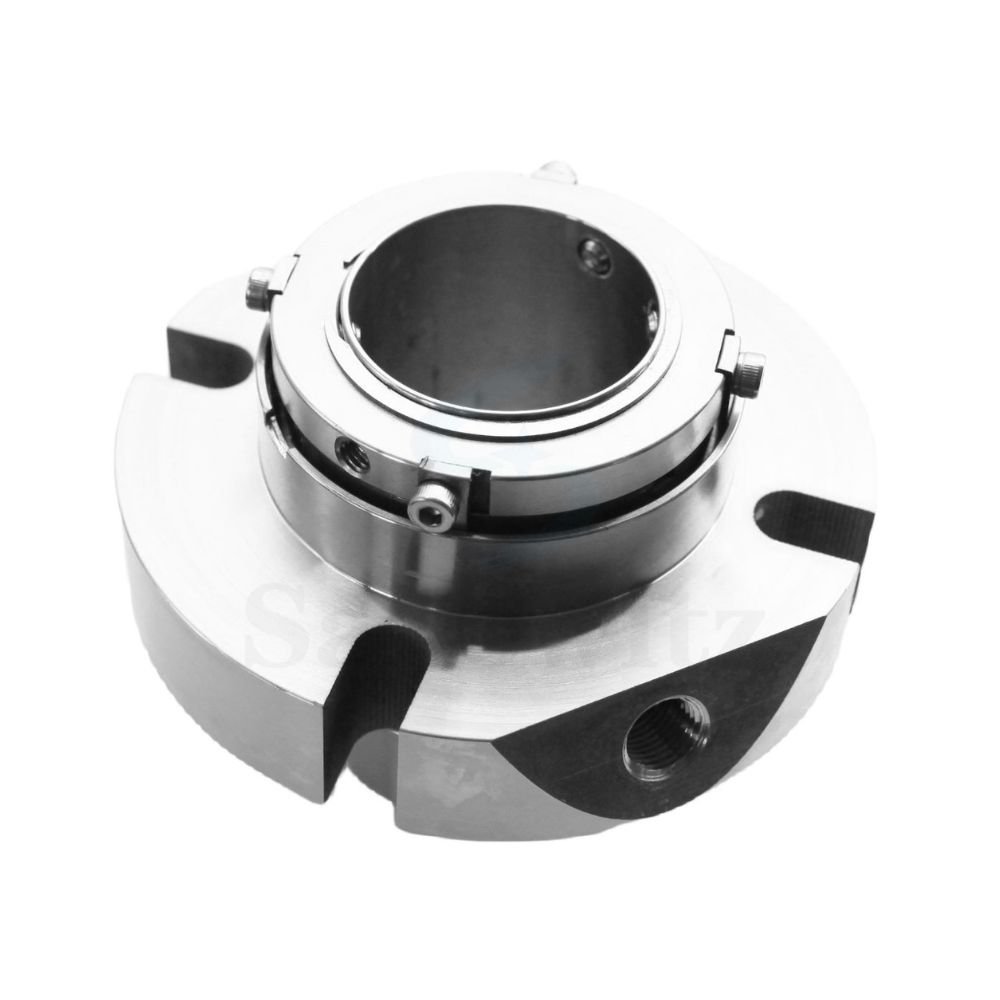
The Standard Cartridge Seal is the most common type and represents the mainstream of cartridge seal designs. All components of the Standard Cartridge Seal—including the sealing faces, springs, and shaft sleeves—are pre-assembled at the mechanical seal factory to form a single integrated module. During installation, the user simply slips the entire assembly onto the shaft and secures the gland.
Features:
- Quick installation
- High precision
- High reliability
Aplicativos:
Virtually all standard industrial equipment
Split Cartridge Seal
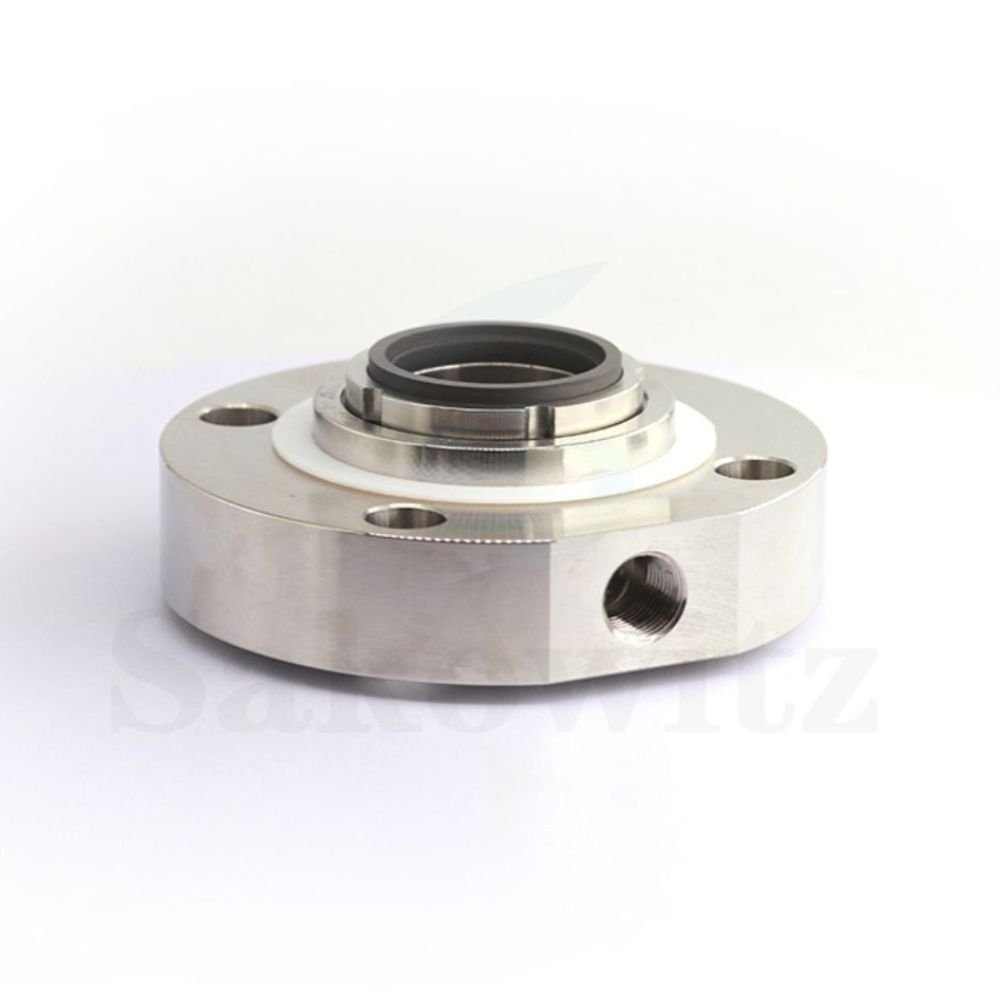
Split Cartridge Seals are very easy to install. They can be separated into two halves axially or radially for installation, without the need to disassemble the equipment or remove the shaft. This is particularly important for large equipment or situations where on-site maintenance conditions are limited.
Applications:
- Large pumps (where the shaft cannot be removed)
- Continuously operating equipment (where downtime costs are high)
Advantages: Easy maintenance, reduced downtime
Limitations: Slightly lower sealing performance than integral seals; higher cost
Advantages of Cartridge Seals
The advantage of cartridge seals is that they transform complex sealing installations into standardized products, thereby improving reliability, reducing error rates, and lowering maintenance costs.
1️⃣ Simple installation with virtually no risk of error
The Cartridge Seal comes factory-set with all critical parameters, such as spring compression, seal face position, and overall structural alignment. On-site installation simply involves sliding the unit into place and securing it, eliminating the need for complex adjustments.
Compared to traditional mechanical seals, which require the installation of individual components and manual calibration, the Cartridge Seal significantly reduces installation complexity and the risk of human error.
2️⃣ More Stable Sealing and Higher Reliability
Because cartridge seals feature an integrated design, the sealing surfaces are subjected to more uniform stress, making it easier to ensure coaxiality and maintain a stable fluid film during operation.
This means that dry friction, abnormal wear, or sudden leaks are less likely to occur. As a result, cartridge seals offer outstanding operational stability and service life.
3️⃣ Reduce Downtime
Cartridge Seals can be installed and replaced very quickly. A skilled engineer can complete the entire installation process in just a few minutes, whereas traditional mechanical seals may take several tens of minutes or even longer. For industrial equipment operating in continuous production, reducing downtime directly minimizes production losses.
4️⃣ Lower Maintenance Costs
While the initial cost of Cartridge Seals may be higher than that of traditional seals, their simple installation, low failure rate, and longer service life result in a lower total cost of ownership (TCO). They also reduce the reliance on highly skilled maintenance personnel.
5️⃣ Minimal operator training required
The installation quality of traditional mechanical seals relies heavily on experience; even if you purchase a high-quality mechanical seal, it will not perform well if installed incorrectly. With its standardized design, however, the Cartridge Seal allows even ordinary technicians to achieve a high-quality installation.
6️⃣ Greater Adaptability
Cartridge seals come with built-in bushings and positioning mechanisms that can compensate to some extent for shaft misalignment and installation errors. As a result, cartridge seals offer greater adaptability to equipment conditions. Even under complex on-site conditions or with equipment that lacks high precision, cartridge seals can still effectively ensure normal production.
7️⃣ Safer and More Environmentally Friendly
In applications requiring high safety standards (especially for double-ended seals), cartridge seals, when used in conjunction with a barrier fluid system, can effectively prevent leaks of toxic or hazardous substances. In today’s environmentally conscious world, cartridge seals meet increasingly stringent environmental and safety regulations.
Cartridge Seal vs Component Seal
A cartridge seal is a “complete sealing system pre-assembled at the factory,” while a component seal is a “combination of parts that must be installed and adjusted individually on-site.”
You can think of it this way:
- Cartridge Seal = “Plug-and-play installation; stable and reliable”
- Component Seal = “Installation requires experience; prone to errors”
| Item | Vedação do cartucho | Component Seal |
|---|---|---|
| Structure | Pre-assembled unit | Individual components |
| Installation | One-step installation | Step-by-step assembly |
| Adjustment Required | ❌ No | ✅ Yes |
| Installation Difficulty | Low | High |
| Error Risk | Very low | High |
| Reliability | High | Depends on skill |
| Replacement Time | 5–10 min | 30–60 min |
| Skill Requirement | Low | High |
| Initial Cost | Higher | Lower |
| Life Cycle Cost | Lower | Higher |
In principle, the two are the same:
Both rely on a “sealing surface + fluid film” to achieve a seal.
However, the real difference lies in:
- Cartridge Seals depend on “installation precision,”
- while Component Seals rely on “human experience.”
You might be wondering which one is better.
The correct answer isn’t really about which one is better, but rather about making a decision based on your specific operating conditions. Looking at the current mechanical seal industry, cartridge seals are becoming the mainstream choice:
The industry is shifting from component seals to cartridge seals.
There is only one reason for this shift:
Stability is more important than cost.
How to Choose a Reliable Cartridge Seal Manufacturer?
When selecting a reliable mechanical seal supplier, you should focus on technical capabilities, quality systems, practical application experience, and after-sales support—not just price.
Key Criteria:
- Do they have the capability to provide product selection and application matching solutions?
- Do they have a robust quality management system?
- Do they have practical industry experience?
- Do they offer customization services?
- Do they provide reliable delivery and after-sales support?
FAQs
What isthe purpose of a cartridge mechanical seal?
The purpose of a cartridge mechanical seal is to seal the gap between the rotating shaft and the equipment housing, prevent fluid leakage, and ensure stable equipment operation. It features a pre-assembled, integrated design with key parameters set during manufacturing, thereby reducing installation errors and enhancing sealing reliability. Compared to traditional mechanical seals, the Cartridge Seal effectively reduces the risk of leakage, minimizes downtime, and lowers maintenance costs.
What is the difference between a cartridge mechanical seal and non-cartridge mechanical seal?
The main difference between cartridge seals and component seals lies in their structure and installation method: Cartridge seals are pre-assembled modules that require no adjustment during installation, offering high stability and a low risk of error; in contrast, component seals consist of multiple parts that must be installed and adjusted individually on-site, requiring a high level of technical skill and making them more prone to leakage or failure due to installation errors. Therefore, cartridge seals are better suited for industrial applications that demand high reliability and efficiency.
Where are cartridge mechanical seals used?
Cartridge mechanical seals are primarily used in rotating equipment where fluid leakage must be prevented, such as centrifugal pumps, mixers, compressors, and reactors. They are widely used in industries such as petroleum, chemicals, pharmaceuticals, food processing, and water treatment, and are particularly suitable for applications that demand high levels of sealing reliability, safety, and continuous operation. Due to their simple installation and high reliability, cartridge seals have become the mainstream sealing solution in modern industrial equipment.
when should i use a cartridge mechanical seal instead of packing or a component seal?
Cartridge seals are the ideal choice when equipment requires highly reliable sealing, reduced leakage, and lower maintenance costs. Compared to packing seals and traditional mechanical seals, cartridge seals are well-suited for equipment operating continuously, situations where downtime costs are high, or environments with strict safety and environmental requirements. This is because they are easy to install, highly stable, and can significantly reduce the risk of human error during installation and leakage.
how do you install a cartridge mechanical seal?
To install a cartridge mechanical seal, simply slide the pre-assembled unit onto the shaft, secure the gland, then lock the positioning device and release the shipping latches.
Since the spring compression and sealing face position are pre-set at the factory, no complex on-site adjustments are required. Compared to traditional mechanical seals, installation is simpler, the error rate is lower, and stable, reliable sealing performance is ensured.
what are the common causes of cartridge mechanical seal failure?
Failure of cartridge mechanical seals is generally caused by the breakdown of the fluid film or abnormal operating conditions. Common causes include dry running (absence of a lubricating fluid film), scratches on the sealing faces caused by particulates in the medium, misalignment during installation or in the equipment, temperatures or pressures exceeding the design range, and insufficient flushing or cooling. These issues can lead to excessive wear, overheating, or imbalance of the sealing faces, resulting in leakage or seal failure.
how can i tell if my cartridge mechanical seal is failing?
If a cartridge mechanical seal exhibits abnormal leakage, overheating, vibration, or unusual noise, it may be failing. Common signs include visible fluid seepage at the seal, noticeable heat generation during operation, unusual noise in the sealing area, or increased vibration. These symptoms are typically associated with fluid film instability, wear on the sealing surfaces, or installation misalignment. The seal should be inspected promptly to prevent further damage or downtime.
can a cartridge mechanical seal be repaired, or does it need to be replaced?
Cartridge mechanical seals are typically replaced as a complete unit rather than repaired on-site. Because they feature a pre-assembled, integrated design, it is difficult to restore the original precision and performance on-site once the sealing faces are worn or key components are damaged. Although in some cases the seal manufacturer may refurbish or repair the unit, in most industrial applications, it is recommended to replace the cartridge seal with a new one to ensure sealing reliability and minimize downtime.
what materials are commonly used in cartridge mechanical seals?
Carbide mechanical seals consist of sealing face materials, metal components, and elastic sealing materials. Common sealing face materials include silicon carbide (SiC), carbon graphite, and tungsten carbide (TC), which provide wear resistance and low friction. Metal components are made of stainless steel or alloy steel to ensure strength and corrosion resistance. Auxiliary seals are typically made of rubber or fluorocarbon rubber (such as FKM or EPDM) to provide a secondary seal. Different material combinations are selected based on operating conditions such as the medium, temperature, and pressure to ensure the reliability and service life of the seal.
are cartridge mechanical seals suitable for high-pressure or high-temperature applicaitons?
Cartridge mechanical seals are suitable for high-pressure and high-temperature applications, but selection and design must be based on specific operating conditions. By employing a balanced design, high-temperature-resistant materials (such as silicon carbide and cemented carbide), and integrated cooling or flushing systems (such as the API flushing scheme), cartridge seals can maintain stable operation in high-pressure and high-temperature environments. However, exceeding the design parameters or selecting an inappropriate seal may still result in seal failure; therefore, professional selection based on actual operating conditions is essential.
 Portuguese
  English
  Russian
  Arabic
  Spanish