
In the design of water systems, irrigation systems, and industrial piping, many users confuse vacuum breakers with check valves. While both are related to “preventing backflow,” they address different issues. Choosing the wrong device can result in backflow and unstable pressure at best, and at worst, may lead to water contamination, equipment damage, or even project compliance risks.
If your system involves drinking water, hose connections, irrigation lines, or operating conditions where negative pressure may occur, understanding the key differences between vacuum breakers and check valves is crucial. This article will help you determine which solution is best suited for your system by examining their operating principles, application scenarios, interchangeability, and engineering selection criteria.
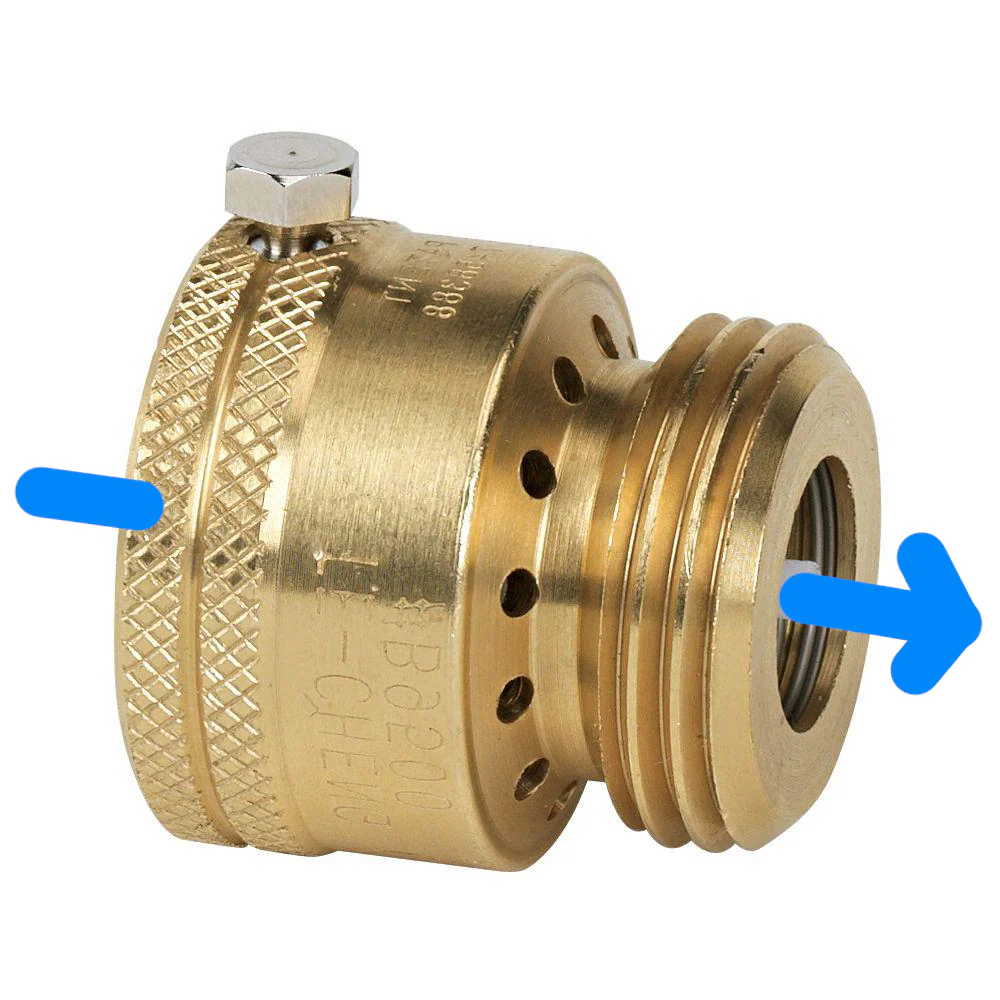
A vacuum breaker (also known as an anti-siphon device) is a safety device used in water systems. Its primary function is to automatically introduce air to break the vacuum when negative pressure or a risk of siphoning occurs in the piping, thereby preventing contaminated water, chemical liquids, or non-potable media from being sucked back into the potable water system.
In drinking water, irrigation, hose connection, and building water supply systems, a vacuum breaker addresses not just ordinary “backflow” issues, but the risk of siphoning caused by negative pressure. If a system lacks a suitable vacuum breaker, contaminated water may be drawn back into the water supply pipes, leading to water quality contamination, equipment damage, and even compliance risks for the project.

A check valve is an automatic valve used in piping systems. Its primary function is to allow the medium to flow in one direction and to automatically close when reverse flow occurs, thereby preventing the backflow of water, gas, oil, or other fluids.
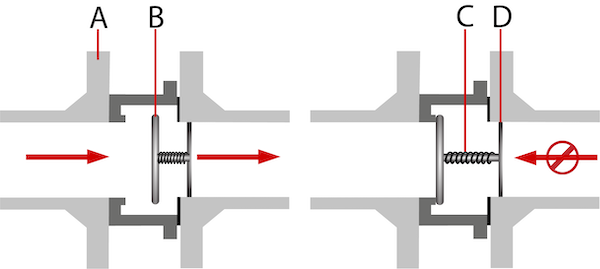
Unlike a vacuum breaker, a check valve does not primarily address “negative pressure siphoning,” but rather standard backflow control. It relies on a valve disc, ball, spring, or valve plate mechanism to automatically open under forward pressure and close automatically when fluid flow stops or reverses, thereby protecting pumps, piping, and equipment from the impact of backflow.
| Comparison Item | Vacuum Breaker | Check Valve |
|---|---|---|
| Main Purpose | Prevents backsiphonage by breaking vacuum pressure | Prevents reverse flow in piping systems |
| Working Method | Admits air into the system when negative pressure occurs | Uses a disc, ball, plate, or spring to close against reverse flow |
| Main Risk Solved | Prevents contaminated water from being siphoned back into clean water lines | Prevents fluid from flowing backward and damaging pumps or pipelines |
| Typical Applications | Potable water systems, irrigation systems, hose connections, building plumbing | Pump systems, industrial pipelines, HVAC systems, water treatment, oil & gas |
| Protection Focus | Water safety and contamination prevention | Flow direction control and equipment protection |
| Installation Position | Usually installed at a high point or above the flood level, depending on system design | Installed according to flow direction, usually in-line with the pipeline |
| Compliance Role | Often required in potable water or regulated plumbing systems | Usually used as a general industrial flow-control component |
| Can It Replace the Other? | Cannot replace a check valve for general reverse flow control | Usually cannot replace a vacuum breaker in anti-siphon or potable water protection systems |
| Best Used For | Systems with backsiphonage or contamination risk | Systems requiring one-way flow and backflow prevention |
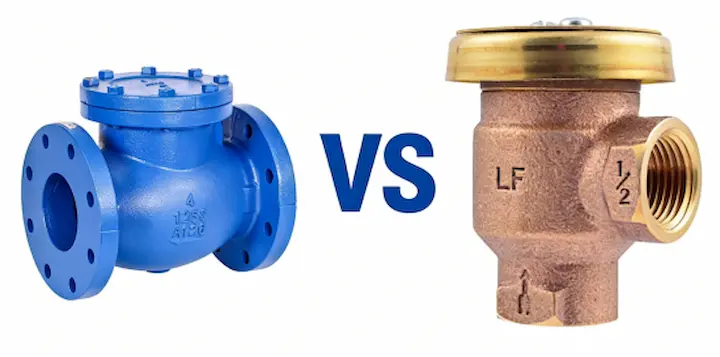
A vacuum breaker primarily addresses the issue of backsiphonage. When negative pressure occurs in a piping system, contaminated water, chemical liquids, or non-clean media may be sucked back into the clean water lines. A vacuum breaker automatically introduces air to break the vacuum, thereby preventing this risk of backflow.
A check valve primarily addresses the issue of reverse flow. Through its internal mechanism, it automatically closes when the medium flows in the opposite direction, preventing water, gas, oil, or other fluids from flowing backward.
A vacuum breaker solves the problem by introducing “air”; a check valve solves the problem by “closing the valve.”
The core operating principle of a vacuum breaker is to admit air to break the vacuum. When the system is operating normally, it remains closed; when negative pressure or a risk of siphoning occurs in the pipeline, it opens the air inlet to allow air into the pipeline, thereby interrupting the siphoning effect and preventing contaminated media from being sucked back.
The core operating principle of a check valve is mechanical closure to prevent backflow. When the medium flows in the forward direction, the valve remains open; when the fluid stops or flows in the reverse direction, the valve disc, ball, or spring mechanism automatically returns to its closed position, blocking reverse flow.
Vacuum Breakers are more commonly used in systems with high water quality safety requirements and a high risk of siphoning contamination, such as:
The core risk in these scenarios is not ordinary backflow, but rather the possibility that contaminated water may be drawn back into the clean water source due to negative pressure.
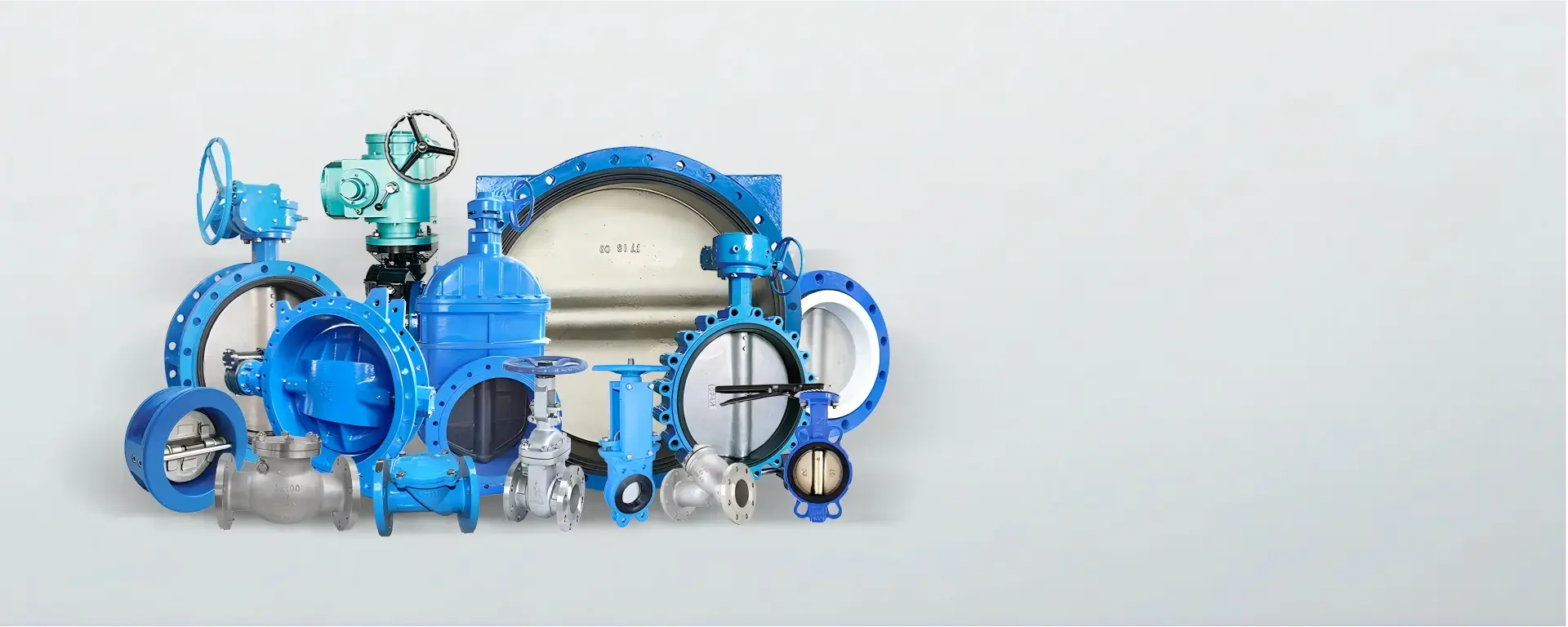
Check valves are more commonly used in industrial piping and equipment protection systems, such as:
The key requirement in these scenarios is to maintain unidirectional flow of the medium, preventing backflow from impacting equipment or affecting system pressure.
Vacuum breakers are generally more sensitive to installation location. They must be installed at the highest point in the system, near the outlet, or above the potential contamination level. This ensures effective air intake and disruption of the siphon effect when negative pressure occurs. If installed too low or in the wrong orientation, they may fail to prevent siphoning.
Check valves are primarily installed based on the direction of flow in the piping. They are installed in the middle of the pipeline, at the pump outlet, or before or after equipment, as long as they are installed in accordance with the direction indicated by the arrow on the valve body. Different types of check valves have different requirements for horizontal or vertical installation, but overall, they offer greater flexibility in terms of installation location compared to vacuum breakers.
Проснувшись однажды утром после беспокойного сна, Грегор Замза обнаружил, что он у себя в постели превратился в страшное насекомое.
| Application Area | Better Choice | Reason |
|---|---|---|
| Drinking Water Systems | Vacuum Breaker | Prevents contaminated water from being siphoned back into clean water lines |
| Irrigation Systems | Vacuum Breaker | Helps prevent fertilizer, chemicals, or dirty water from being drawn back into the water supply |
| Hose Connections | Vacuum Breaker | Protects against hose-end contamination caused by backsiphonage |
| Building Plumbing Systems | Vacuum Breaker | Used where anti-siphon protection and water safety compliance are required |
| Pump Discharge Lines | Check Valve | Prevents reverse flow after pump shutdown and protects the pump from backflow damage |
| HVAC Circulation Systems | Check Valve | Maintains one-direction flow in chilled water, cooling water, or heating loops |
| Industrial Pipelines | Check Valve | Controls flow direction and prevents reverse flow in general fluid transfer systems |
| Water Treatment Equipment | Depends on System Design | Use a vacuum breaker where contamination or siphon risk exists; use a check valve for basic flow direction control |
| Oil & Gas Systems | Check Valve | Provides reliable one-way flow control and protects equipment from reverse pressure or flow reversal |
| Spray or Washing Systems | Vacuum Breaker | Helps prevent contaminated water or cleaning fluid from being siphoned back into the supply line |
Most irrigation systems are better suited for vacuum breakers because irrigation pipes may come into contact with muddy water, fertilizers, or chemical liquids, posing a risk of siphoning back into the clean water source.
Industrial pipelines are typically better suited for check valves because industrial systems place greater emphasis on flow direction control, pump protection, pressure stabilization, and preventing reverse flow of the medium.
Not necessarily. A vacuum breaker is primarily used to prevent backsiphonage, but it is not suitable for all backpressure scenarios. If the system has complex pressure conditions, an appropriate backflow prevention device must be selected based on the actual operating conditions.
For pump discharge protection, a check valve is generally the more suitable option. It prevents backflow of the fluid after the pump stops, reducing backflow surges, water hammer, and the risk of pump reversal.
Choosing between a vacuum breaker and a check valve is a critical decision that affects system safety, backflow prevention effectiveness, contamination risks, and long-term operational stability. Different water systems, irrigation systems, HVAC systems, and industrial piping systems have varying requirements for anti-siphoning, backflow prevention, pressure ratings, installation locations, and service conditions. Selecting the correct valve can help you reduce failures, lower maintenance costs, and avoid unnecessary system risks.
As a professional industrial valve manufacturer, we can provide suitable vacuum breakers, check valves, and backflow prevention solutions tailored to your specific application scenarios. Whether you need standard valve products, support for bulk purchases, or custom solutions based on pressure, material, connection methods, and project requirements, we can provide you with reliable products and technical selection support.
—— We Will Provide You With Professional OEM Solutions.
Whether you require pump bearings, pump valves, mechanical seals, or other custom-engineered components, we support production based on your drawings as well as rapid prototyping.
Please complete the form on the right and upload your technical drawings or specifications. Our engineering team will review your requirements within 24 hours and provide a detailed quotation, application recommendations, and delivery schedule.
Copyright © 2025 Sakowit, Todos os direitos reservados.
 Portuguese
  English
  Russian
  Arabic
  Spanish