Introduction: Why Mechanical Seal Material Selection Is Critical
Mechanical seal materials play a decisive role in seal performance, service life, and reliability. Even with the correct seal type and size, improper material selection can cause excessive wear, thermal cracking, chemical attack, or sudden leakage.
This guide explains the four most commonly used mechanical seal face materials — Carbon, Ceramic, Silicon Carbide (SiC), and Tungsten Carbide (TC) — and helps you understand when, why, and how to choose the right combination for your pump application.
Overview of Common Mechanical Seal Face Materials

Mechanical seal faces always work in pairs, not individually. Material selection must consider both mating faces and operating conditions such as pressure, speed, temperature, and fluid properties.

The four most widely used materials are:
-
Carbon (Graphite)
-
Ceramic (Alumina)
-
Silicon Carbide (SiC)
-
Tungsten Carbide (TC)
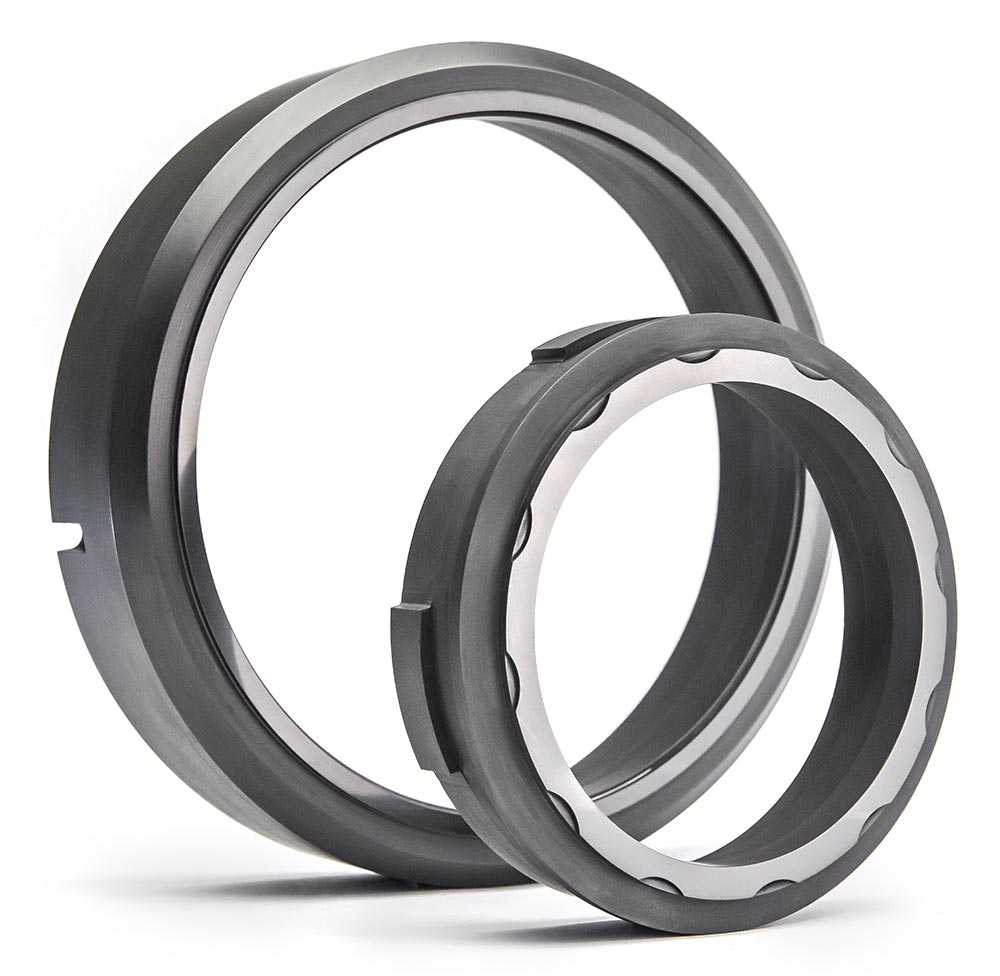
Carbon Mechanical Seal Faces

Key Characteristics
-
Self-lubricating
-
Good thermal shock resistance
-
Relatively soft material
Advantages
-
Excellent dry-running tolerance (short periods)
-
Low friction
-
Cost-effective
-
Compatible with many mating materials
Limitations
-
Lower wear resistance
-
Not suitable for abrasive fluids
-
Can oxidize at high temperatures
Typical Applications
-
Clean water pumps
-
HVAC systems
-
Light-duty industrial pumps
👉 Common pairing: Carbon vs Ceramic, Carbon vs SiC
Ceramic Mechanical Seal Faces

Key Characteristics
-
Hard and wear-resistant
-
Chemically inert
-
Smooth surface finish
Advantages
-
Good corrosion resistance
-
Stable in clean fluids
-
Economical alternative to SiC
Limitations
-
Brittle material
-
Poor resistance to thermal shock
-
Not suitable for high-speed or abrasive applications
Typical Applications
-
Domestic water pumps
-
Circulation pumps
-
Low-pressure industrial systems
👉 Common pairing: Carbon vs Ceramic
Silicon Carbide (SiC) Mechanical Seal Faces

Key Characteristics
-
Extremely hard
-
High thermal conductivity
-
Excellent wear and corrosion resistance
Advantages
-
Ideal for abrasive and corrosive fluids
-
Superior heat dissipation
-
Long service life
-
Low face wear rate
Limitations
-
Higher cost than carbon or ceramic
-
Brittle under severe impact
Typical Applications
-
Chemical processing pumps
-
Slurry pumps
-
Wastewater and sewage pumps
-
High-speed and high-pressure pumps
👉 Common pairing: SiC vs SiC, Carbon vs SiC
Tungsten Carbide (TC) Mechanical Seal Faces
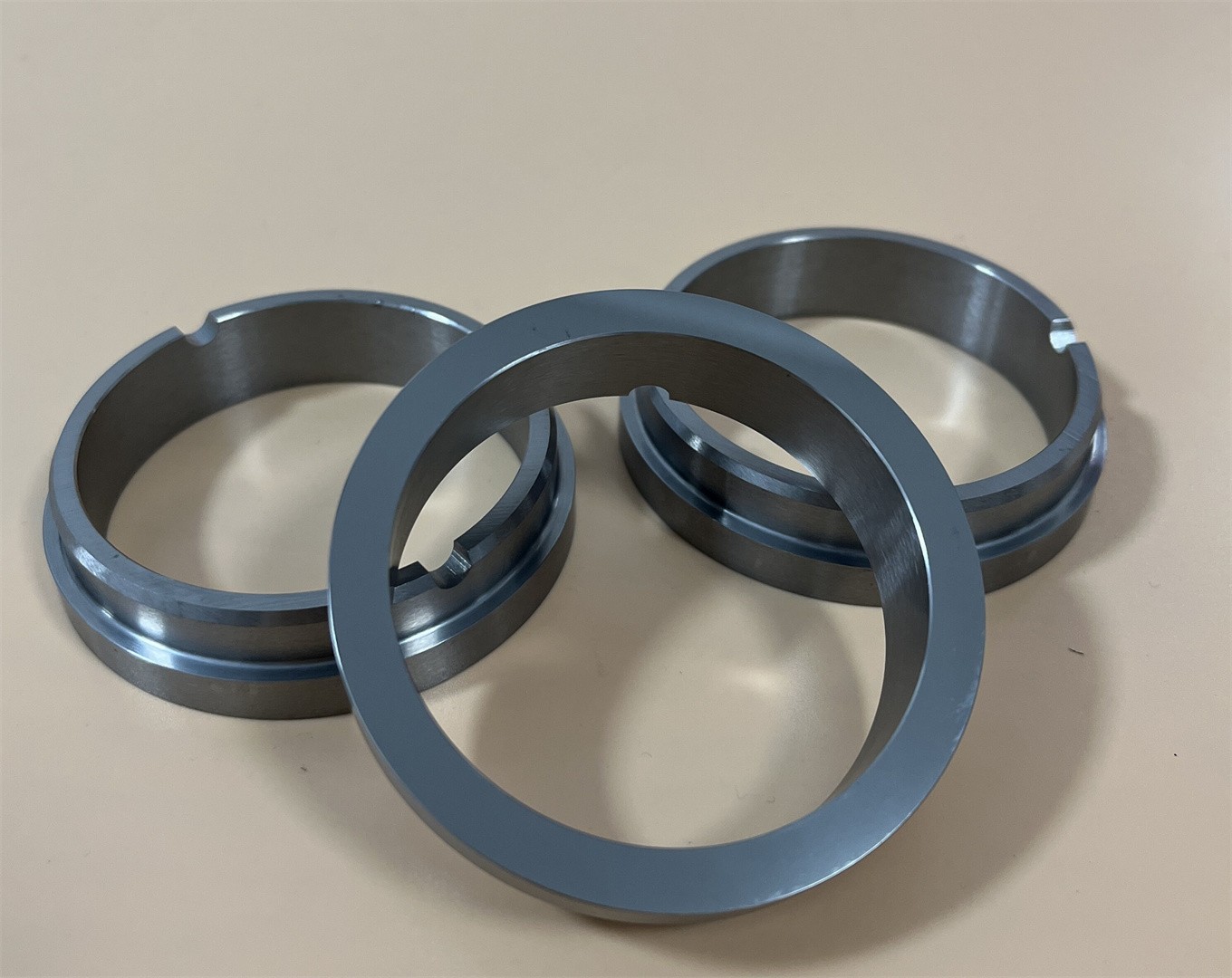
Key Characteristics
-
Extremely high hardness
-
Outstanding impact resistance
-
Excellent performance in severe conditions
Advantages
-
Superior abrasion resistance
-
Strong mechanical strength
-
Performs well under vibration and shock
Limitations

Higher friction coefficient
-
Heavier material
-
Higher cost
Typical Applications
-
Mining and slurry pumps
-
Oil & gas applications
-
High-solids and high-load conditions
👉 Common pairing: TC vs TC, TC vs SiC
Mechanical Seal Material Comparison Table
| Material | Wear Resistance | Thermal Shock | Chemical Resistance | Cost Level |
|---|---|---|---|---|
| Carbon | Low–Medium | High | Medium | Low |
| Ceramic | Medium | Low | Medium | Low |
| Silicon Carbide | Very High | Medium | Very High | Medium–High |
| Tungsten Carbide | Extremely High | Medium | High | High |
How to Choose the Right Material Combination
Material selection should be based on actual operating conditions, not default choices.
General Guidelines:
-
Clean water, low pressure: Carbon / Ceramic
-
Chemical fluids: Carbon / SiC or SiC / SiC
-
Abrasive or slurry fluids: SiC / SiC or TC / TC
-
High load & vibration: Tungsten Carbide combinations
When in doubt, upgrading one face to SiC often significantly improves seal life with moderate cost increase.
Common Mechanical Seal Material Selection Mistakes
-
Using ceramic in abrasive media
-
Selecting carbon faces for high-pressure slurry pumps
-
Ignoring thermal shock during startup
-
Choosing materials based on price only
Avoiding these mistakes can double or triple seal service life.
FAQ: Mechanical Seal Materials
Q1: Is Silicon Carbide always better than Ceramic?
In demanding conditions, yes. For clean, low-duty applications, ceramic may be sufficient and more economical.
Q2: Can Tungsten Carbide damage the mating face?
If paired incorrectly, yes. TC should be matched carefully to avoid excessive wear on softer materials.
Q3: Can I replace OEM materials with higher-grade materials?
Yes, provided dimensions and design limits are respected.
Final Thoughts: Material Choice Determines Seal Reliability
Mechanical seal materials directly affect wear, heat generation, chemical compatibility, and service life. Choosing the correct material combination ensures stable operation, reduced maintenance, and lower total cost of ownership.
When replacing or upgrading seals, always consider fluid type, solids content, temperature, pressure, and operating speed before deciding on materials.
Call to Action (CTA)
👉 Need help selecting the right mechanical seal materials?
Send us your pump application details or photos. Our technical team can recommend OEM-compatible or upgraded material combinations for optimal performance.
👉https://sakowit.com/how-long-should-a-mechanical-seal-last-in-industrial-pumps/
 Portuguese
  English
  Russian
  Arabic
  Spanish