
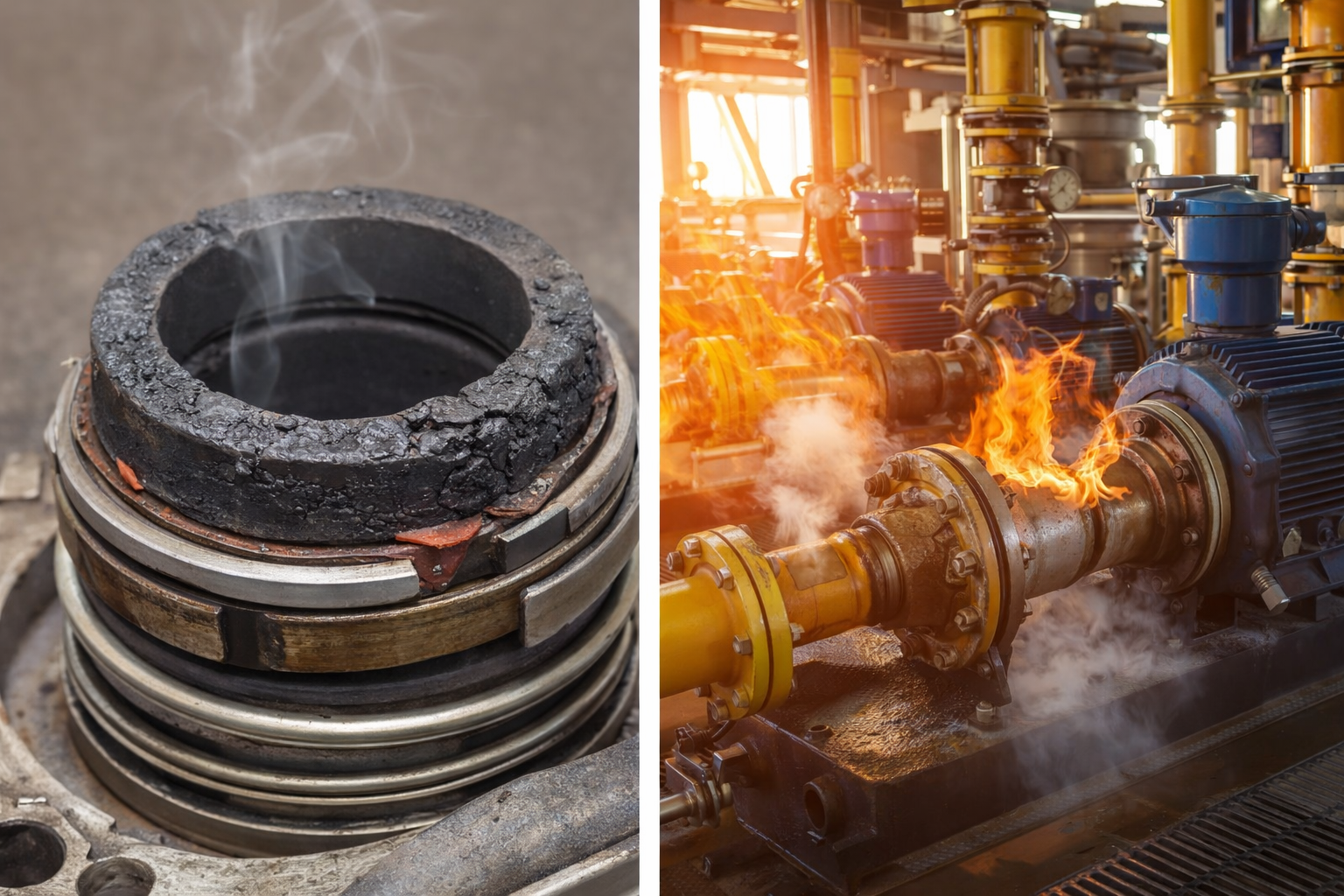
In high-temperature industrial environments, mechanical seal downtime is not just a maintenance issue — it is a production risk.
When operating temperatures rise above 120°C, many standard pump seals begin to experience accelerated wear, seal overheating, face distortion, and even catastrophic failure. For industries such as chemical processing, oil refining, power generation, and reaction vessel systems, unexpected shutdowns caused by seal failure in high temp pumps can result in significant financial losses.
So how can you reduce mechanical seal downtime in high-temperature applications?
This guide explains the root causes and practical solutions.
Why High Temperature Is So Damaging to Mechanical Seals
A high temperature mechanical seal operates under extreme thermal stress. As temperature increases:
-
Lubricating film between seal faces becomes unstable
-
Carbon faces may crack or blister
-
Elastomers lose elasticity
-
Thermal expansion leads to face distortion
-
Heat buildup causes seal overheating
In many industrial pumps, seal failure in high temp pumps is not due to poor installation — it is due to improper seal selection for thermal conditions.
Understanding this is the first step toward preventing downtime.
The Main Causes of Seal Overheating in Industrial Pumps
1. Inadequate Cooling or Flush Plan
Without proper API flush systems, heat accumulates around the seal chamber.
This is one of the most common causes of seal overheating.
الحل:
-
Use appropriate API flush plans (Plan 11, 21, 23 depending on application)
-
Improve circulation around seal faces
2. Incorrect Material Selection
Not all mechanical seal materials are designed for high-temperature service.
Common issues include:
-
Carbon face cracking under thermal shock
-
Standard elastomers hardening above rated temperature
-
Stainless steel components deforming under heat
For high temperature mechanical seal applications, materials such as:
-
Silicon carbide vs silicon carbide
-
Tungsten carbide combinations
-
Metal bellows seals instead of rubber bellows
are often required.
3. Thermal Distortion and Shaft Expansion
In high-temperature systems, shaft and seal components expand at different rates.
If the seal design cannot compensate for thermal growth, face loading becomes uneven, leading to:
-
Excessive friction
-
Increased power consumption
-
Rapid wear
-
Sudden mechanical seal downtime
Engineered designs such as cartridge mechanical seals or metal bellows seals perform better under these conditions.
6 Practical Strategies to Reduce Mechanical Seal Downtime
1. Choose a True High Temperature Mechanical Seal Design
Do not simply upgrade materials — upgrade structure.
Metal bellows seals eliminate dynamic elastomers and tolerate higher temperatures.
Cartridge seals improve installation accuracy and reduce misalignment risk.
2. Optimize the Seal Chamber Environment
High temperature does not only come from fluid.
Check for:
-
Poor ventilation
-
Heat trapped in confined pump designs
-
Inadequate circulation
Sometimes redesigning the seal chamber significantly reduces seal overheating.
3. Use External Cooling or Barrier Systems
For critical high temp pumps:
-
Double seals with barrier fluid
-
Cooling jackets
-
External quench systems
These dramatically increase seal service life.
4. Monitor Temperature Trends
Install temperature sensors near the seal gland.
Early detection of seal overheating allows preventive shutdown instead of emergency failure.
This alone can reduce mechanical seal downtime by 30–50% in continuous process industries.
5. Match Seal Type to Application
For example:
-
Reaction kettles → heavy-duty cartridge or metal bellows seals
-
Thermal oil pumps → high-temp balanced seals
-
Boiler feed pumps → engineered high-pressure designs
Selecting a seal without considering actual operating temperature profile leads to premature seal failure in high temp pumps.
6. Avoid Dry Running
High temperature combined with insufficient lubrication is the fastest way to destroy a seal.
Even 30 seconds of dry running in high temperature applications can permanently damage seal faces.
Industries Most Affected by High Temperature Seal Failure
-
Chemical processing plants
-
Oil & gas facilities
-
Power generation plants
-
Pharmaceutical reactors
-
Asphalt and thermal oil systems
These industries require specialized high temperature mechanical seal solutions, not standard pump seals.
FAQ: High Temperature Mechanical Seal Issues
Q1: What temperature is considered “high” for a mechanical seal?
Typically above 120°C. However, elastomer limits vary depending on material.
Q2: Why does my seal fail faster in high temp pumps?
Most likely causes:
-
Seal overheating
-
Incorrect material selection
-
Improper flush system
Q3: Is a cartridge seal better for high-temperature applications?
Yes, in many cases. Cartridge designs improve alignment and reduce installation errors that worsen thermal stress.
Q4: How can I extend seal life in high temperature service?
-
Use metal bellows or engineered designs
-
Improve cooling
-
Monitor temperature
-
Select proper materials
الأفكار النهائية
Reducing mechanical seal downtime in high-temperature applications requires more than replacing failed seals.
It requires:
-
Correct high temperature mechanical seal design
-
Proper material selection
-
Adequate cooling systems
-
Real monitoring of seal overheating risks
In demanding industries, engineered solutions are not optional — they are essential.
If your current pump seals are failing under high thermal stress, it may be time to upgrade to a purpose-built high temperature mechanical seal system designed for reliability.
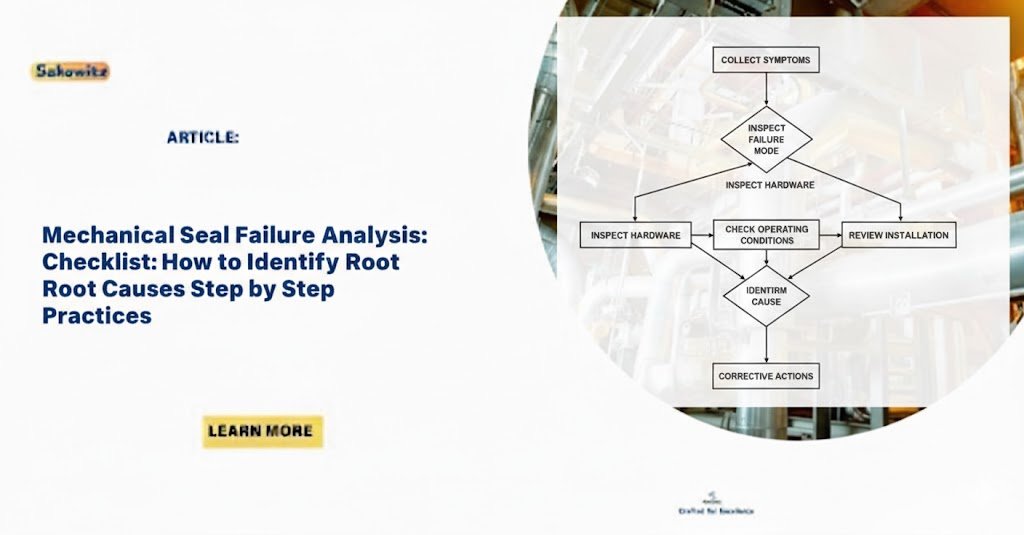
👇https://sakowit.com/mechanical-seal-failure-analysis-root-causes/
 Arabic
  English
  Portuguese
  Russian
  Spanish