
Chemical Pump Manufacturer
As a professional chemical pump manufacturer, we offer a wide range of chemical pump solutions suitable for chemical production, surface treatment, water treatment, industrial circulation, and the transfer of process fluids. We can provide selection guidance based on your flow rate, head, temperature, and fluid specifications.
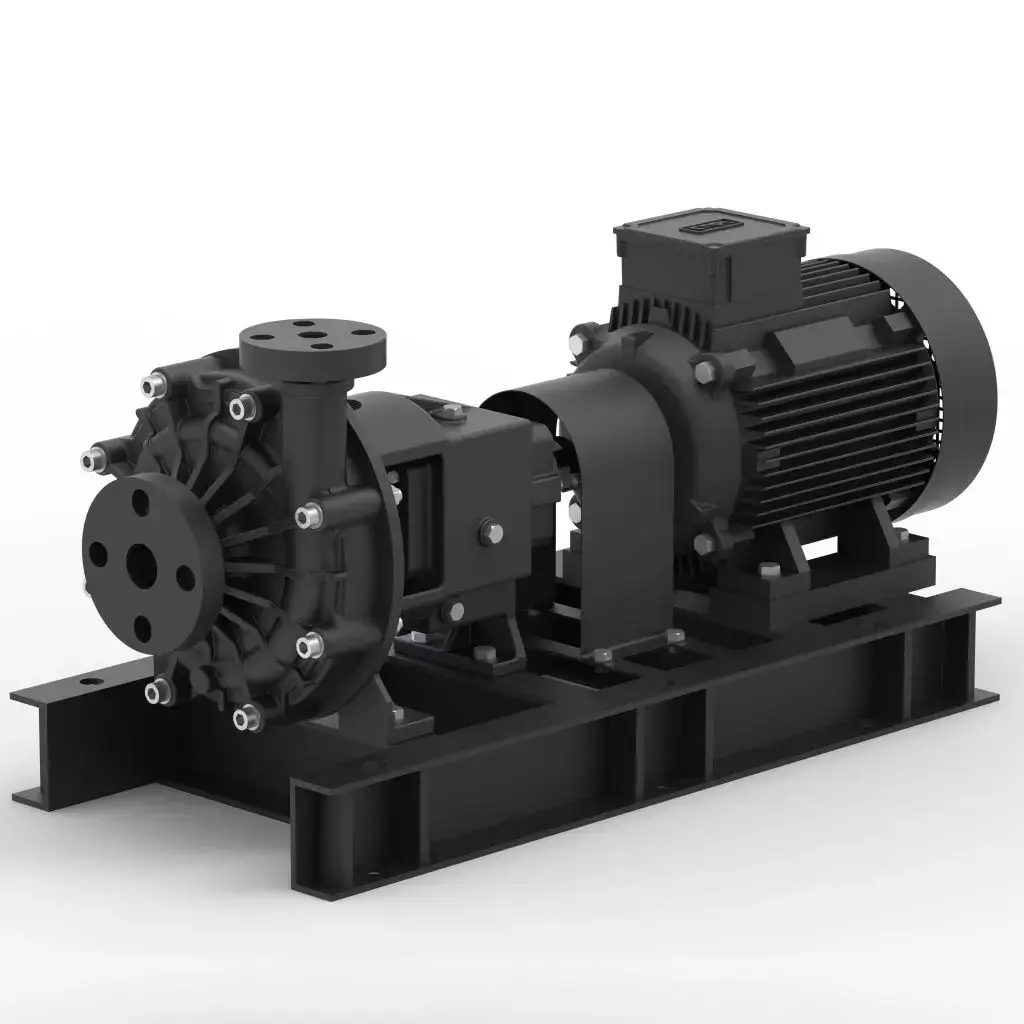
Types of Chemical Pumps
Chemical pumps are not one-size-fits-all products. Different chemical media vary significantly in terms of corrosiveness, viscosity, temperature, solids content, and leakage risk; therefore, you need to select the appropriate pump type based on the actual operating conditions.
Chemical Centrifugal Pumps
Magnetic Drive Chemical Pumps
Self-Priming Chemical Pumps
Vertical Chemical Pumps
Chemical Diaphragm Pumps
Chemical Metering Pumps
Select a Pump by Chemical and Material
When selecting a chemical pump, the compatibility between the medium and the materials is often more important than simply comparing flow rate, head, or price. This is because even if two pumps have identical performance parameters, if the wetted materials are not suitable for your chemical medium, problems such as corrosion, swelling, embrittlement, leakage, or a significantly shortened service life may occur.
Therefore, before purchasing a chemical pump, you must first identify the specific liquid to be pumped and then select the appropriate pump housing, impeller, bearings, and seal materials based on the medium’s name, concentration, temperature, and operating conditions.
As a professional chemical pump manufacturer, we recommend that you avoid simply stating that you “need an acid-resistant pump” or “need a corrosion-resistant pump.” Instead, please provide as complete a description of the medium as possible so that we can more accurately assess material compatibility.
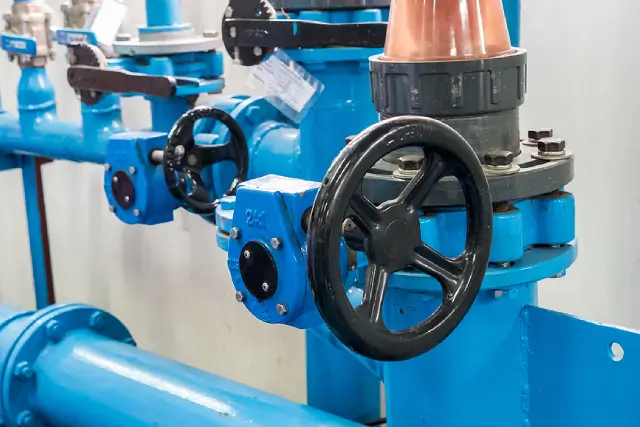
Compare Chemical Pump Technologies
Different types of chemical pumps employ distinct transfer principles, sealing methods, and drive mechanisms; therefore, there are significant differences in the media and operating conditions for which they are suitable.
| Chemical Pump Technology | Working Characteristics | Best Suited For | Main Advantages | Selection Considerations |
|---|---|---|---|---|
| Chemical Centrifugal Pump | Uses a rotating impeller to provide continuous fluid transfer. | Low to medium viscosity liquids requiring continuous and relatively high flow. | High flow capacity, smooth operation, mature technology and broad industrial application. | Confirm required head, suction conditions, cavitation risk and material compatibility. |
| Magnetic Drive Pump | Transfers power through magnetic coupling without a traditional rotating shaft seal. | Corrosive, toxic, volatile or valuable chemicals where leakage control is important. | Reduces dynamic shaft-seal leakage points and seal-related maintenance. | Evaluate solids, viscosity, crystallization tendency, dry-running risk and internal lubrication requirements. |
| Mechanical Seal Chemical Pump | Uses a direct drive shaft with a mechanical seal to control leakage around the rotating shaft. | General chemical transfer, process circulation and compatible industrial liquids. | Mature design, wide application range and relatively convenient maintenance. | Mechanical seal wear, seal material compatibility and operating conditions must be considered. |
| Chemical Diaphragm Pump | Uses reciprocating diaphragm movement to draw in and discharge the liquid. | Higher-viscosity liquids, fluids containing solids and applications requiring self-priming capability. | Good fluid adaptability, self-priming capability and ability to handle more challenging media. | Flow pulsation, diaphragm life and valve component compatibility should be evaluated. |
| Chemical Metering Pump | Delivers controlled amounts of chemical through adjustable stroke or operating frequency. | Chemical dosing, additives, pH adjustment and other precise low-flow applications. | Accurate and controllable chemical dosing. | Confirm dosing rate, system back pressure, viscosity and control requirements. |
| Vertical Chemical Pump | Uses a vertical structure with the pump section installed in or above a chemical tank. | Chemical tanks, electroplating baths, treatment tanks and sump applications. | Suitable for direct tank installation and can simplify suction piping. | Check immersion depth, liquid level variation, tank dimensions and corrosion resistance. |
How to Choose a Chemical Pump
When selecting a chemical pump, you cannot base your decision solely on flow rate, power, or price. The corrosiveness, concentration, temperature, viscosity, and particle content of the chemical medium, as well as the risk of leakage, can all influence the final pump type, wetted materials, and sealing solution.
Even if a pump’s specifications appear suitable, incompatibility between the materials and the medium can still lead to corrosion, seal failure, abnormal wear, or even premature shutdown. Therefore, as a professional chemical pump manufacturer, we recommend following this sequence for selection: “First, identify the medium; second, determine the performance requirements; and finally, select the pump type and materials.”
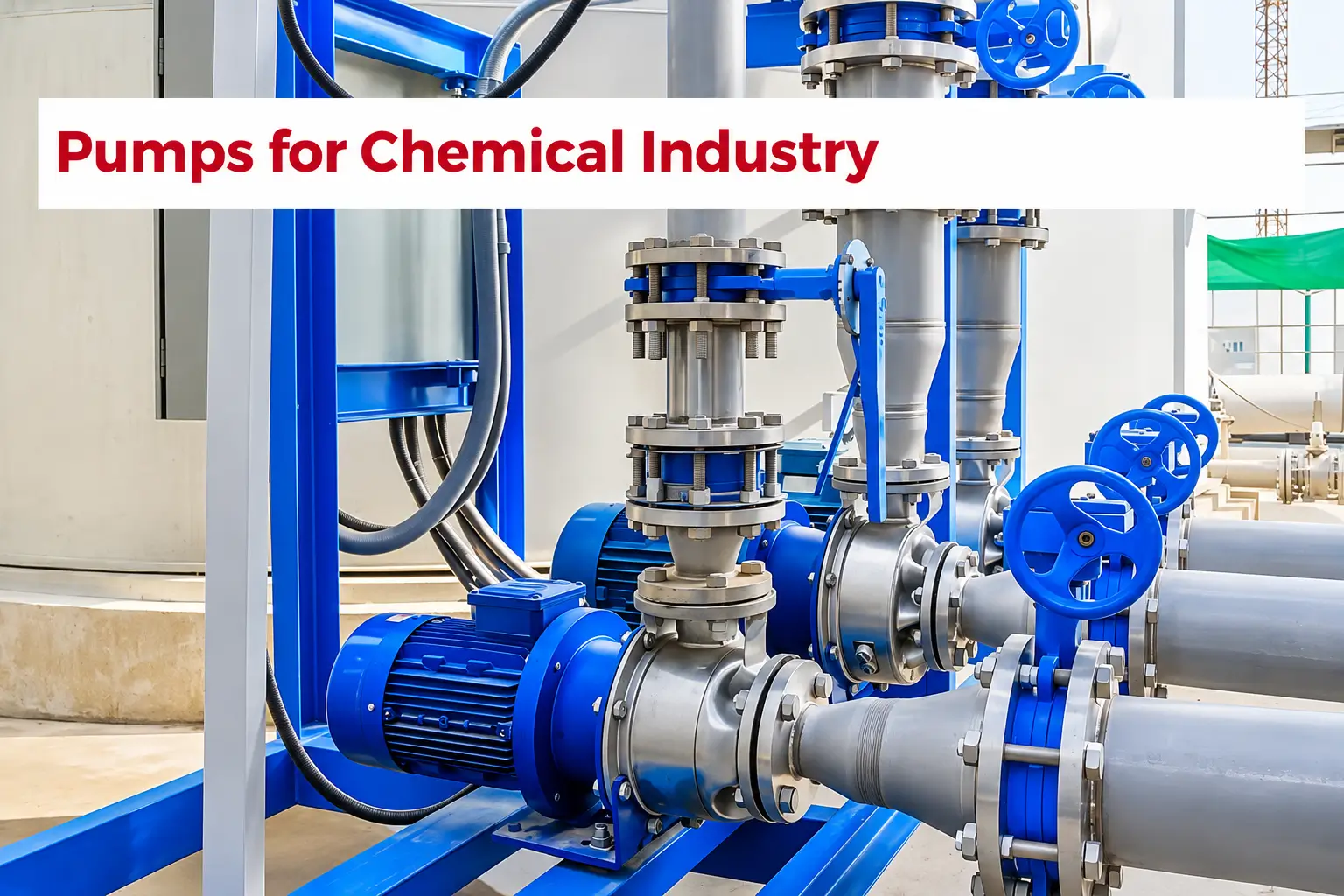
Chemical Production and Process Flows
Chemical production is one of the most typical applications for chemical pumps.
If the medium is corrosive, toxic, or volatile, in addition to considering flow rate and head, you must also carefully evaluate material compatibility and the risk of leakage. Common applications include:
- Raw material transfer
- Reactor feeding
- Process fluid circulation
- Chemical loading and unloading
- Transfer between storage tanks

Transfer of Acidic and Alkaline Liquids
Acids, alkalis, and other corrosive liquids place high demands on the materials used in chemical pumps that come into contact with these substances.
If you are pumping hydrochloric acid, sulfuric acid, alkaline solutions, or other corrosive media, you cannot simply assume that “stainless steel” or “plastic” will always be suitable, as variations in concentration and temperature can significantly alter a material’s corrosion resistance. Common applications include:
- Acid Transfer
- Alkaline Circulation
- Neutralization Systems
- Chemical Cleaning
- Tank Discharge
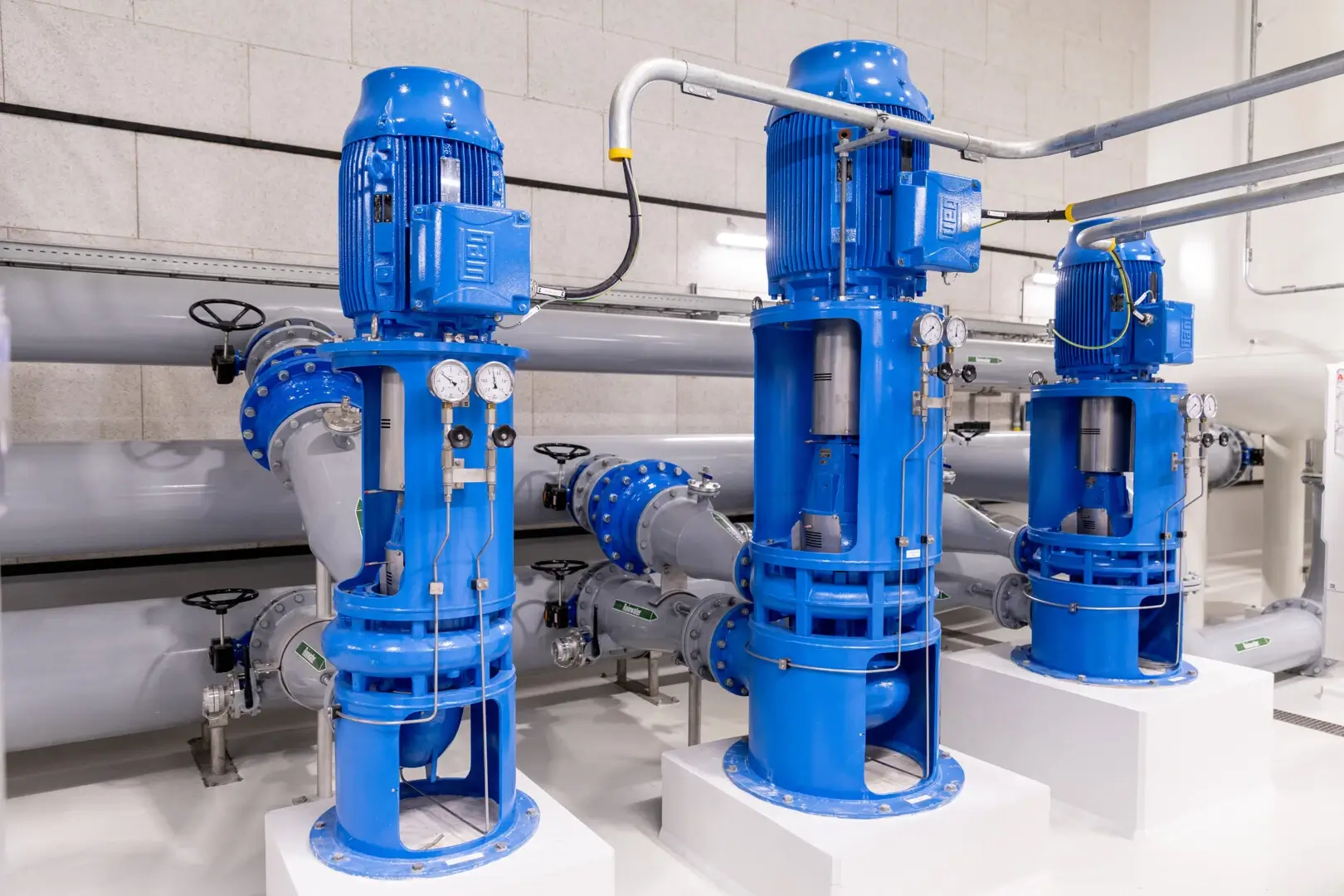
Water Treatment and Chemical Dosing
In water treatment systems, chemical pumps can transport and dispense various treatment chemicals. Examples include acid and alkali adjustment solutions, disinfectants, flocculants, cleaning solutions, and other water treatment chemicals.
If your system requires stable, continuous flow, consider using a chemical centrifugal pump; if precise control over the dosage is needed, a metering pump is typically the better choice.
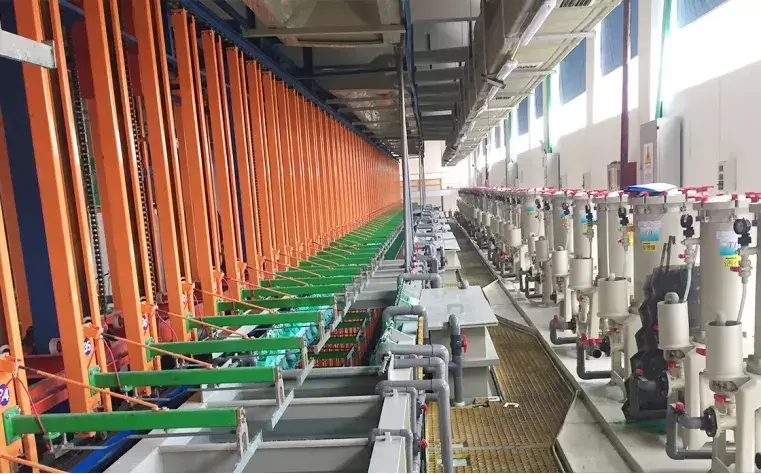
Electroplating and Surface Treatment
Electroplating, pickling, and surface treatment production lines require the long-term circulation of corrosive bath solutions; therefore, the corrosion resistance and reliability of chemical pumps during continuous operation are of utmost importance. Common applications include:
- Electroplating bath circulation
- Pickling solution transfer
- Etching solution circulation
- Rinsing tank circulation
- Surface treatment chemical transfer
Get An Instant Quote Now
1. What is a chemical pump? How does it differ from a standard water pump?
A chemical pump is a type of pump specifically designed to handle liquids that are corrosive, hazardous, volatile, or have other special properties. The main difference between a chemical pump and a standard water pump lies not only in flow rate and head, but also in the need to place greater emphasis on wetted materials, sealing methods, media compatibility, and operational safety.
2. Can chemical pumps handle acids and alkalis?
Yes, but it is crucial that the materials be compatible with the specific acidic or alkaline media.
You will need to provide our engineering team with specific details. This is because the corrosive properties of different acids vary significantly, and the appropriate materials may change depending on variations in concentration and temperature.
Common materials that can be evaluated include PP, PVDF, PTFE, and stainless steel; however, no single material is suitable for all acids, alkalis, and chemical media. Therefore, before selecting a model, it is best to provide the specific chemical names, concentrations, and temperatures so that the manufacturer can assess material compatibility.
3. How should you choose between PP, PVDF, and stainless steel chemical pumps?
These three materials have different applications.
- PP chemical pumps are suitable for certain common acids, alkalis, and corrosive liquids, and are relatively cost-effective.
- PVDF chemical pumps are used in applications with higher requirements for corrosion resistance and temperature resistance.
- Stainless steel chemical pumps offer good mechanical strength and are suitable for industrial liquids and chemical media that are compatible with the corresponding stainless steel grade.
4. Can chemical pumps handle liquids containing particles?
Yes, but you’ll need to select the appropriate configuration based on the properties of the liquid.
Standard centrifugal pumps are suitable for clean water and low-corrosive liquids. If you need to pump chemical liquids, high-temperature media, corrosive liquids, or liquids containing particles, you’ll need to consider the pump housing material, impeller material, seal type, and corrosion resistance.
Before purchasing, you should provide us with complete information about the medium to avoid equipment damage caused by material incompatibility.
5. Can chemical pumps handle liquids containing particles?
Some chemical pumps can, but this depends on the nature of the particles.
You will need to provide information on particle size, solid content, particle hardness, and whether the particles are prone to settling or crystallizing.
If the medium contains a significant amount of solid particles, standard chemical centrifugal pumps or magnetically driven pumps may be prone to impeller wear, internal blockages, or bearing damage.
In such cases, it is advisable to further evaluate diaphragm pumps or other pump types better suited for particulate-laden media, rather than using standard chemical pumps directly.