
Sealless Magnetic Drive Pump Manufacturer
When you need to transport corrosive liquids, hazardous substances, or fluids that require strict leak control, selecting the right magnetic drive pump is crucial.
As a professional magnetic drive pump manufacturer, we offer magnetic drive pump solutions featuring a seal-less design that transmits power via magnetic coupling, thereby reducing the risk of leaks associated with traditional mechanical seals.
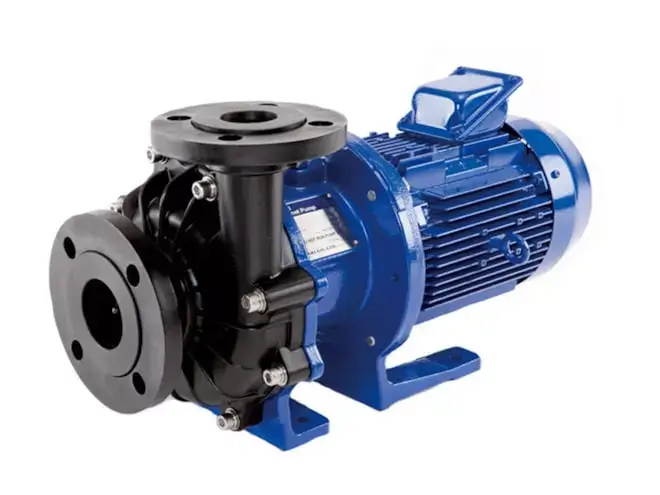
Magnetic Drive Pump Types
Magnetic drive pumps can be classified into different types based on their structural design, the media they transport, their operating environment, and application requirements. As a professional magnetic drive pump manufacturer, we offer magnetic drive pump solutions with various structural designs and material configurations to help you select the most suitable product for your specific application.
Plastic Magnetic Drive Pumps
Chemical Magnetic Drive Pumps
Self-Priming Magnetic Drive Pumps
High Temperature Magnetic Drive Pumps
Compare Magnetic Drive Pump Series
When selecting a magnetically driven pump, you shouldn’t just compare prices or physical dimensions; instead, you need to make your decision based on the actual application conditions. We offer a range of magnetically driven pump solutions to help you choose the most suitable product based on the characteristics of the fluid, operating conditions, and project requirements.
| Magnetic Drive Pump Series | Main Features | Suitable Fluids | Typical Applications | Selection Considerations |
|---|---|---|---|---|
|
Plastic Magnetic Drive Pump |
Uses corrosion-resistant engineering plastics such as PP or PVDF to reduce chemical corrosion risks. | Acids, alkalis, chemical solutions, and corrosive fluids. | Electroplating, chemical processing, water treatment systems. | Confirm chemical compatibility, temperature range, and concentration before selection. |
|
Stainless Steel Magnetic Drive Pump |
Provides stronger mechanical strength and reliable performance for industrial applications. | Water, industrial fluids, and compatible chemical liquids. | Industrial circulation, equipment support, process fluid transfer. | Check stainless steel grade compatibility with the pumped medium. |
|
Chemical Magnetic Drive Pump |
Designed for corrosive or hazardous fluids with a sealless structure to reduce leakage risks. | Chemical liquids, solvents, acids, and alkaline solutions. | Chemical plants, process systems, laboratory equipment. | Provide fluid properties including chemical composition, temperature, and concentration. |
|
High Temperature Magnetic Drive Pump |
Optimized for elevated temperature applications with suitable materials and magnetic components. | Hot liquids and thermal process fluids. | High-temperature industrial processes and heating circulation systems. | Confirm maximum operating temperature and continuous running conditions. |
|
Self Priming Magnetic Drive Pump |
Combines magnetic drive technology with self-priming capability for easier operation. | Water, chemical liquids, and industrial fluids. | Tank transfer, drainage systems, mobile pumping equipment. | Evaluate suction height, piping layout, and startup frequency. |
|
Sanitary Magnetic Drive Pump |
Designed with clean materials and structures for applications requiring hygiene control. | Food liquids, beverage fluids, purified water. | Food processing, pharmaceutical systems, high-purity applications. | Check material safety, cleaning requirements, and application standards. |
How to Select a Magnetic Drive Pump
Unlike traditional mechanical seal pumps, magnetic drive pumps transmit power through a magnetic coupling mechanism, eliminating the need for conventional shaft seals and reducing the risk of leakage caused by mechanical seal failure. Therefore, when selecting a magnetic drive pump, you should focus on confirming whether the pump’s structural design is suitable for your specific application environment.
As a professional magnetic drive pump manufacturer, we recommend that you evaluate the following key factors:
- Identify Your Pumping Medium
- Determine the Required Flow Rate
- Confirm the Required Head and Pressure
- Select the Right Pump Material
- Consider the Operating Temperature
- Evaluate Solids and Fluid Characteristics
- Choose the Suitable Magnetic Drive Pump Type
- Check Installation and Maintenance Requirements
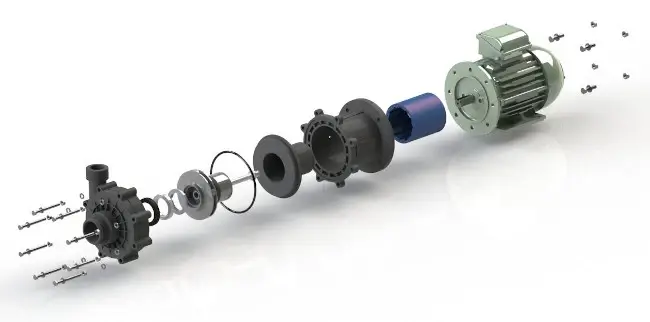
How Magnetic Drive Pumps Prevent Seal Leakage
When handling corrosive, toxic, hazardous, or high-value liquids, the risk of leakage is one of the primary concerns when selecting pump equipment.
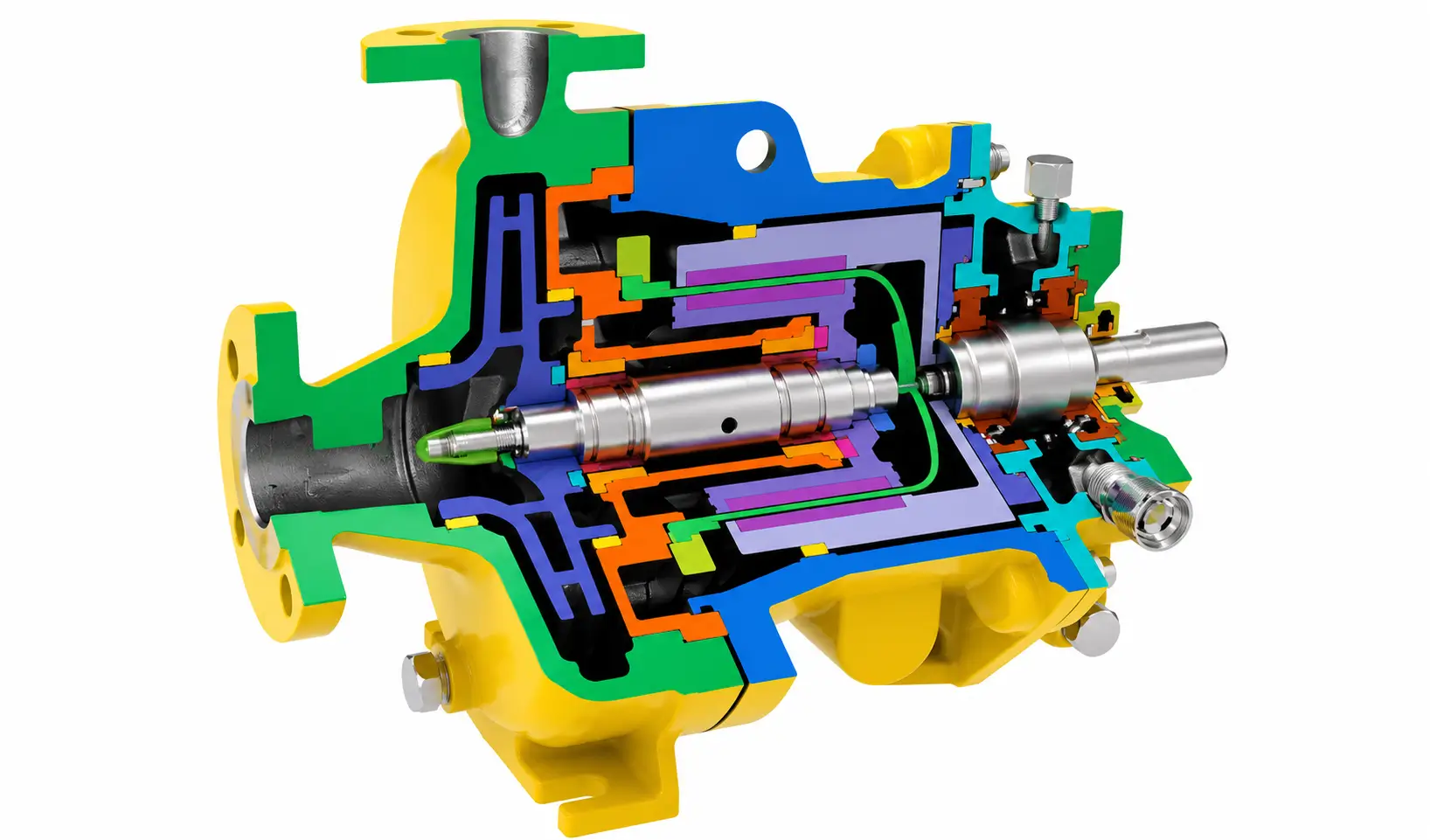
Magnetic drive pumps transmit power through a magnetic coupling mechanism. Since there is no traditional direct shaft connection between the motor shaft and the impeller, this design inherently reduces the number of sealing points typically found in conventional rotating shaft systems.
As a professional magnetic drive pump manufacturer, we help you reduce the risk of liquid leakage through our shaft-seal-free design, providing safer and more reliable pump solutions for chemical processing, industrial circulation, water treatment, and the transfer of high-purity fluids.
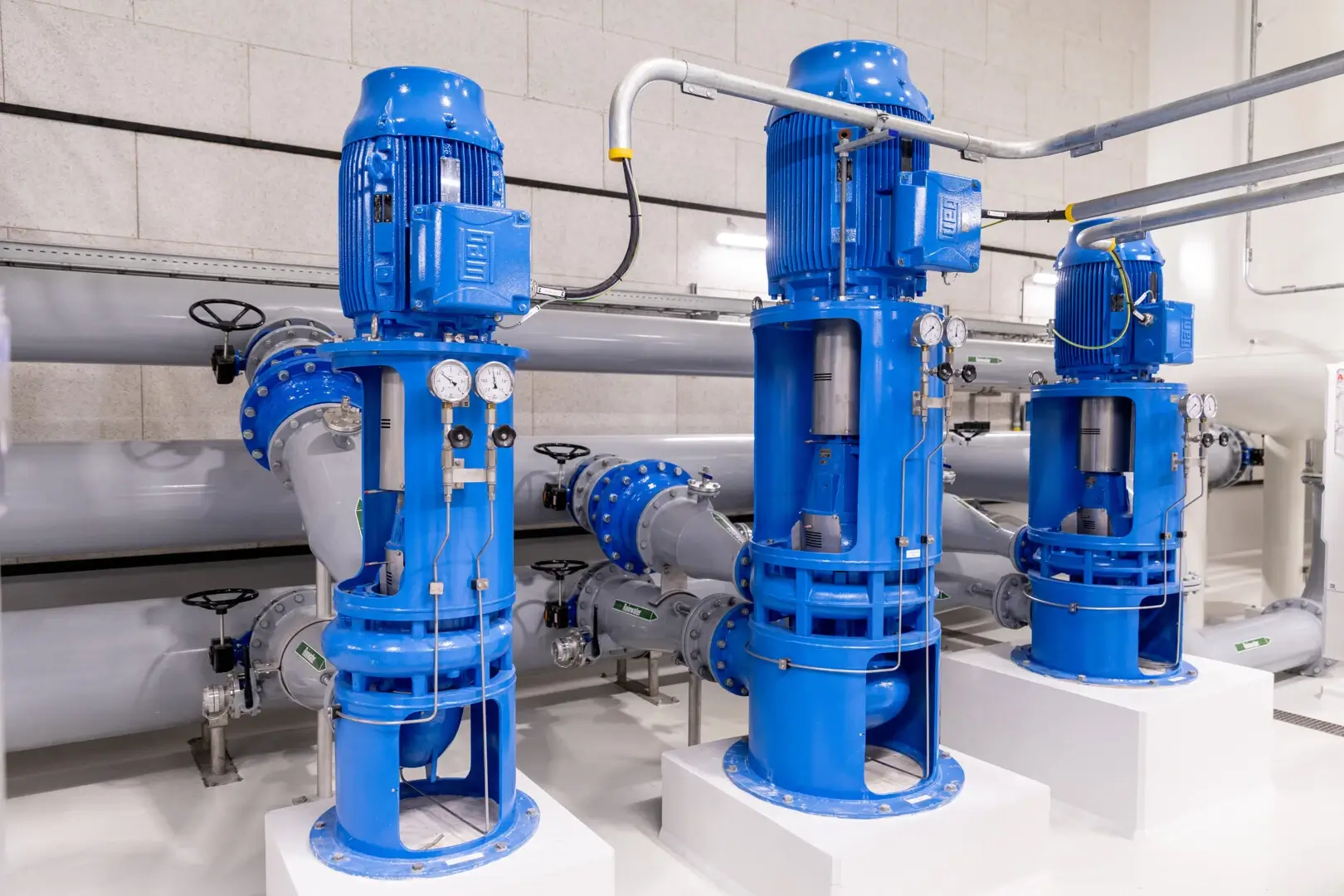
Chemical Processing Applications
In chemical production processes, it is necessary to transport corrosive, volatile, or hazardous liquids, such as acids, alkalis, organic solvents, and special chemical solutions. Since leaks of these media can cause equipment corrosion, safety risks, and environmental pollution, it is crucial to minimize the risk of leaks.
Magnetically driven pumps feature a seal-less design that reduces leakage issues caused by the failure of traditional mechanical seals, making them particularly well-suited for chemical fluid transfer systems. Common applications include:
- Transfer of acids and alkalis
- Chemical reaction circulation
- Solvent transfer
- Integration with chemical processing equipment
- Process circulation
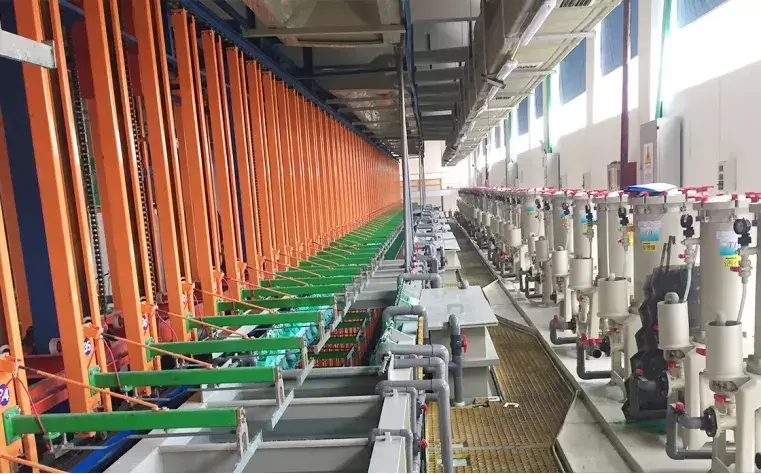
Electroplating and Surface Treatment
During electroplating and surface treatment processes, it is necessary to transport pickling solutions, electroplating solutions, and chemical treatment solutions. These media are corrosive and require equipment to operate stably over the long term.
Magnetically driven pumps, by eliminating the need for shaft seals, reduce the risk of chemical leakage at sealing points and are therefore widely used in electroplating equipment and surface treatment systems. Common applications include:
- Electroplating tank circulation
- Pickling systems
- Chemical cleaning equipment
- Surface treatment production lines
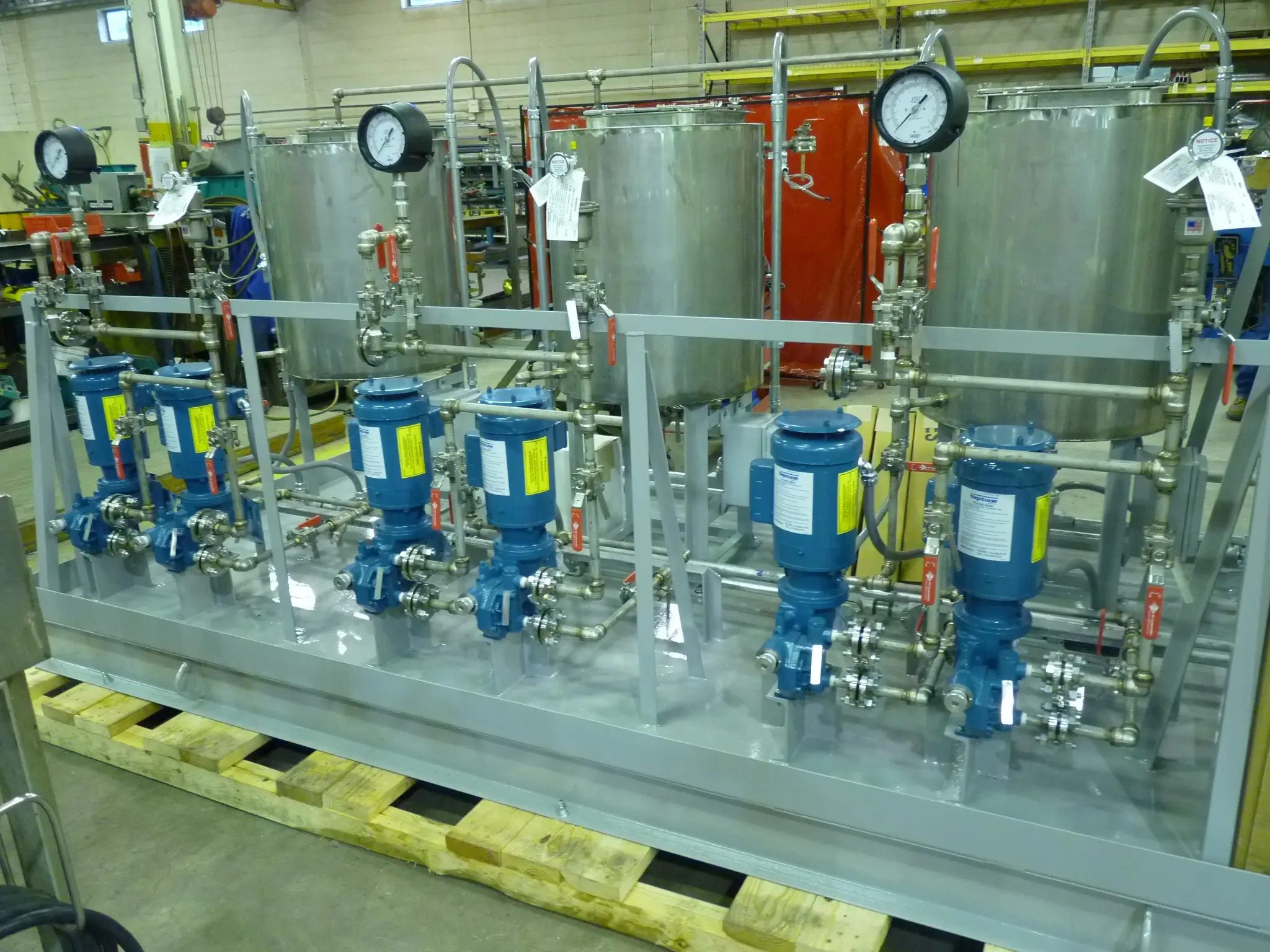
Pharmaceutical and High Purity Applications
The pharmaceutical industry places higher demands on fluid transfer equipment. In addition to ensuring stable fluid transfer, you must also consider material safety, the risk of media contamination, and cleaning and maintenance requirements.
Magnetically driven pumps eliminate the need for traditional mechanical seals, thereby reducing the risk of contamination caused by seal wear. As a result, they are suitable for certain high-purity fluid transfer applications. Common applications include:
- Pure water transfer
- Pharmaceutical process fluid circulation
- Laboratory equipment
- High-purity fluid systems
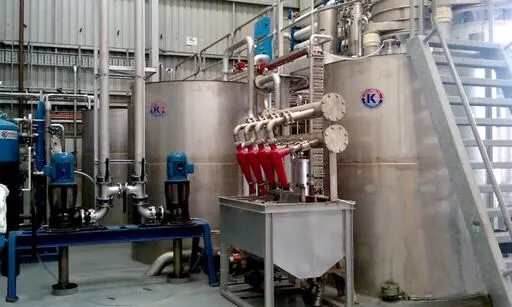
Water Treatment Applications
Water treatment systems require long-term, stable operation and may involve chemicals, filter media, or specialized process fluids.
If your system needs to handle corrosive process fluids, standard metal pumps may be susceptible to damage from these fluids, whereas magnetically driven pumps can offer enhanced corrosion resistance through the use of appropriate materials. Common applications include:
Chemical dosing systems
- Wastewater treatment
- Recirculation and filtration systems
- Water purification equipment
- Industrial water treatment
Get An Instant Quote Now
1. What is a magnetic drive pump and how does it work?
A magnetically driven pump is a seal-less pump that uses magnetic coupling technology to transmit power.
Traditional pumps require a mechanical shaft to connect the motor to the impeller, whereas magnetically driven pumps utilize the magnetic field generated by inner and outer magnet rotors to transmit power from the motor to the impeller, causing the impeller to rotate and transport the liquid.
Its main components include:
- Outer Magnet Rotor
- Inner Magnet Rotor
- Containment Shell
- Impeller
During operation, the motor drives the outer magnet rotor to rotate; the magnetic field passes through the containment shell to drive the inner magnet rotor to rotate in sync, thereby driving the impeller. By eliminating the traditional rotating shaft that passes through the pump body, magnetically driven pumps reduce the risk of leakage caused by mechanical seal failure.
2. What are the advantages of magnetic drive pumps?
The main advantages of magnetically driven pumps stem from their seal-less design.
- Reduced risk of leakage
- Improved operational safety
- Reduced maintenance requirements
- Suitable for pumping special fluids
3. Can magnetic drive pumps handle corrosive liquids?
Yes, but you need to select the correct material configuration.
- PP magnetic drive pumps: Suitable for generally corrosive chemical liquids.
- PVDF magnetic drive pumps: Suitable for applications requiring higher chemical resistance.
- Stainless steel magnetic drive pumps: Suitable for industrial liquids and certain compatible chemical media.
4. Can centrifugal pumps handle different liquids?
Yes, but you’ll need to select the appropriate configuration based on the properties of the liquid.
Standard centrifugal pumps are suitable for clean water and low-corrosive liquids. If you need to pump chemical liquids, high-temperature media, corrosive liquids, or liquids containing particles, you’ll need to consider the pump housing material, impeller material, seal type, and corrosion resistance.
Before purchasing, you should provide us with complete information about the medium to avoid equipment damage caused by material incompatibility.
5. Do centrifugal pumps require regular maintenance?
Yes.
Although centrifugal pumps have a relatively mature and reliable design, they still require inspection and maintenance during long-term operation.